On the journey toward beauty and confidence, an increasing number of women are paying attention to breast health and aesthetic curves. However, faced with a dazzling array of breast enhancement options on the market—from surgical implants to injectable fillers—not only do these methods carry risks, but they also often involve high costs and prolonged recovery periods. Is there a safer, more convenient, and effective alternative?
Chest Key Topical Professional Breast Enhancement was developed precisely to address this need.
Natural Botanical Formula, Scientifically Activates Mammary Gland Development
ChestKey incorporates over 20 pure traditional Chinese herbs and imported natural plant extracts. Through a gentle mechanism that mimics estrogenic activity—without adding any synthetic hormones—it delivers external nutritional support to the breasts. When combined with scientifically designed massage techniques, the formula rapidly penetrates into the mammary tissue, effectively enhancing local blood circulation and lymphatic drainage. This activates the synthesis of fat cells and collagen, resulting in naturally fuller, firmer, and lifted breasts.
Clinically Verified, Visible Results
Clinical trials demonstrate real efficacy: after 4 weeks of consistent use,
92% of participants reported noticeable changes in bust size, with an average increase of 2–4 cm;
Skin elasticity improved by 25%, significantly reducing sagging;
Breast ptosis (sagging) was reduced by 18%, restoring a perky, youthful contour.
These results not only confirm the product’s effectiveness but also highlight its positive impact on overall breast health.
Triple-Essence Synergy for Comprehensive Breast Care
The ChestKey system features three core essences, each targeting specific needs to deliver a holistic breast enhancement regimen:
Firming & Elasticity Essence (Lymphatic Detoxifying Lotion) Specifically formulated to detoxify underarm lymph nodes, effectively reducing “armpit fat” (accessory breast tissue) while tightening surrounding skin for a refined silhouette.
Firming Massage Essential Oil (Breast Enhancement Treatment Oil) Promotes liver Qi regulation and blood nourishment, supporting breast fullness while relieving stress-induced stagnation. It even aids digestive motility, offering whole-body wellness from the inside out.
Firming & Nourishing Elasticity Essence (Breast Enhancement Oil) Focuses on expanding mammary glandular tissue, boosting elasticity, and stimulating collagen regeneration. It also helps alleviate breast nodules and unclog milk ducts, achieving both beauty and health simultaneously.
Clear Advantages Over Traditional Methods
Embracing the philosophy of “No surgery, no injections, no fillers,” ChestKey completely avoids surgical trauma and rejection risks, delivering a truly zero-risk, highly efficient, and sustainable breast enhancement experience.
Just One Minute a Day—Visible Results in Seven Days
With only one minute of daily application using the correct massage technique, the formula penetrates the mammary layer within seconds to activate cellular vitality. Most users notice visibly improved fullness and firmness within 7 to 21 days.
Safe · Effective · Confident
Safe: Hormone-free, 100% natural ingredients that protect women’s health.
Effective: Scientifically balanced formulation backed by clinical data—real transformation you can see.
Confident: Enhances not just your outer curves but your inner well-being, fully awakening feminine charm.
Chest Key Topical Professional Breast Enhancement is more than just a beauty product—it’s a lifestyle of self-care. No risks. No waiting. Let the power of nature reshape your confidence, one curve at a time.
Recommended Safe and Effective Brand for Professional Women: “Chest Key”!
In today’s fast-paced professional environment, an increasing number of women are paying attention to their personal image and health. Among various aspects, breast firmness, lift, and aesthetic contour have become significant considerations. However, with countless breast enhancement products and medical aesthetic procedures available on the market, how can one safely and effectively improve breast appearance without disrupting work or daily life?
“Chest Key”, a topical professional breast enhancement product, has emerged as an ideal choice for career-oriented women thanks to its natural ingredients, convenient application, and noticeable results.
1. Core Advantages: Safe, Convenient, and Effective
“ChestKey” is a non-invasive, topical breast enhancement solution that adheres to the philosophy of “no surgery, no injections, no fillers.” It completely avoids the surgical risks, lengthy recovery periods, and short-lived outcomes associated with traditional medical aesthetic methods (such as implants, autologous fat transfer, or hyaluronic acid fillers).
Simply apply for one minute per day with scientifically guided massage techniques. The formula penetrates into the mammary layer within seconds, activating adipocytes (fat cells) and stimulating collagen synthesis to achieve natural breast enhancement.
Rapid Results: Visible changes typically appear within 7–21 days, with most users reporting an increase from A-cup to B-cup.
Long-Lasting Effects: Continuous use ensures sustained results—far outperforming hyaluronic acid (6–12 months) or regenerative fillers (1–2 years).
Zero Downtime: No need to take time off work—perfect for busy professionals.
No Side Effects: Formulated with over 20 pure herbal and imported botanical ingredients; gentle, safe, and non-irritating with no risk of rejection.
2. Three Key Botanical Extracts – Scientifically Powered for Enhanced Results
The exceptional efficacy of “ChestKey” stems from its precisely balanced blend of three internationally sourced active ingredients:
American Senna Alata (Sausage Tree) Extract Rich in flavonoids and phytosterols, it mimics estrogenic activity to stimulate mammary tissue development and targeted fat deposition, enhancing breast contour. It also helps unclog axillary lymph nodes, reducing accessory breasts (armpit fat) and alleviating fibrocystic breast changes.
Japanese Patented Arnica Montana Flower Extract With an absorption rate as high as 42%, it opens skin absorption pathways and contains L-DOPA, which activates neutrophils to promote adipocyte proliferation and enlargement—resulting in fuller, plumper breasts.
Spanish Imported Dioscorea Villosa (Wild Yam) Extract (Diosgenin) A natural phytoestrogen whose molecular structure closely resembles human progesterone. It penetrates the skin and competitively binds to estrogen receptors, delivering mild estrogenic effects without the risks of endogenous estrogen overload. It also helps dissolve breast nodules, soothe liver Qi stagnation, and enhance breast firmness and roundness.
3. Authoritative Endorsements & Quality Assurance
“ChestKey” is developed and manufactured by Huaxia, a leading Chinese ODM/OEM platform in the cosmetics industry, backed by strong collaborative resources:
Partnerships with top 10 global cosmetic ingredient suppliers (from the UK, France, USA, Italy, Japan, South Korea, etc.)
Deep collaborations with 7 major Chinese pharmaceutical enterprises, including Guangzhou Baiyunshan, Beijing Tongrentang, and Sinopharm Group
Holds 50+ national special-use cosmetic certifications (covering whitening, spot reduction, anti-hair loss, etc.) and 20+ invention patents
Joint research programs with prestigious universities such as Jinan University, South China University of Technology, and Guangdong Pharmaceutical University
Has provided product development services for 30+ well-known brands, including XiuZheng, Infinitus, and Nanjing Tongrentong
4. Real User Feedback & Clinically Verified Results
Clinical trials show that after 4 weeks of continuous use:
92% of users observed a 2–4 cm increase in bust circumference
Skin elasticity improved by an average of 25%
Breast ptosis (sagging) was reduced by 18%
These figures clearly demonstrate “ChestKey”’s comprehensive effectiveness in firming, volumizing, and lifting the bust.
Conclusion
For professional women who value efficiency, safety, and privacy, “ChestKey” is more than just a beauty product—it represents a lifestyle choice that harmonizes health and confidence.
No need to take leave. No surgical risks. Just one minute a day, and you can quietly enhance your beauty amidst a demanding schedule—naturally, gracefully, and radiantly from within.
As demand for anti-aging solutions continues to rise, light-and-energy-based technologies have rapidly become central in the anti-aging market due to their immediate visible results. Thermage, for instance, boasts an annual growth rate of 45%, hailed by many as a “shortcut” to youthful skin. Ultherapy delivers effects that last 1–1.5 years per session, meeting consumers’ initial expectations for long-lasting results. The booming market for at-home radiofrequency (RF) devices has extended professional-grade treatments into daily home routines. Meanwhile, emerging technologies like RF microneedling have dramatically shortened the onset of visible results—from one month down to just one week—further amplifying the “instant gratification” appeal of energy-based treatments.
However, beneath this glowing reputation lie often-overlooked risks. In contrast, topical anti-aging approaches—characterized by gentleness, safety, and sustained efficacy—emerge as a more suitable choice for the general population, offering a reliable pathway to maintaining youthful skin.
Light-and-Energy Anti-Aging: Impressive Results Come with Significant Risks
The core mechanism of light-and-energy-based anti-aging involves using physical energy—light, electricity, or sound—to penetrate deep into the skin, stimulating collagen regeneration and tightening tissues. Yet, this very nature of “physical intervention” inherently couples effectiveness with risk. Especially given current market conditions, these hidden dangers are becoming increasingly evident.
Risk 1: High Technical Barriers and Prominent Safety Hazards Whether it’s professional treatments like Thermage and Ultherapy or newer modalities such as RF microneedling, all require highly trained practitioners and strictly regulated equipment. The precision of energy delivery directly determines treatment safety. Improper operation or miscalibrated energy settings can cause irreversible skin damage—ranging from post-treatment redness, stinging, and peeling to severe barrier disruption, hyperpigmentation, burns, or even scarring. Statistics show that approximately 15% of patients undergoing energy-based treatments experience worsened pigmentation, often linked to unprofessional procedures.
Even more alarming is the prevalence of counterfeit devices and unlicensed personnel in some clinics, which drastically escalates safety risks—turning what should be “anti-aging” into potential “skin destruction.”
Risk 2: Limited and Short-Lived Effects Lead to Dependency Cycles Despite rapid results, the effects of energy-based treatments are notably transient and limited in scope. Ultherapy lasts about 1–1.5 years; Thermage typically maintains results for around one year; and while RF microneedling shows effects within a week, these too fade without repeated sessions. Moreover, although the at-home RF device market is exploding, their efficacy is only about 30% of professional-grade equipment. Many consumers invest heavily only to abandon the devices due to underwhelming outcomes—wasting money without achieving real anti-aging benefits.
Crucially, these treatments primarily target skin tightening, offering minimal improvement for fine lines, dry wrinkles, dullness, or uneven texture. Without proper post-treatment care, collagen degradation accelerates, causing skin to revert quickly to its aged state. This forces consumers into a costly cycle: treat → maintain → decline → retreat.
Risk 3: Compromised Skin Barrier and High Post-Treatment Costs The intense physical energy used in these treatments inevitably damages the skin’s surface barrier. Frequent sessions or inadequate aftercare can lead to heightened sensitivity, impaired moisture retention, flaking, redness, and stinging—even triggering chronic sensitive skin. Repairing this barrier damage requires long-term use of high-potency, expensive recovery products, making post-treatment maintenance costs far exceed the initial procedure fees.
Worse still, overuse may exhaust the skin’s natural collagen-producing capacity, diminishing its self-repair ability. Over time, the skin becomes increasingly fragile and less resilient—ironically accelerating aging in a vicious “the more you treat, the faster you age” loop.
Risk 4: Narrow Suitability and Numerous Contraindications Energy-based anti-aging is not universally appropriate. It is contraindicated for pregnant or breastfeeding women, individuals with photosensitivity disorders, those with darker skin tones, and people with keloid-prone (scar-forming) tendencies. For example, darker-skinned individuals face a significantly higher risk of post-inflammatory hypopigmentation after treatment, while those with keloid tendencies may develop hypertrophic scars following ablative procedures.
Additionally, individuals who have recently received injectables (e.g., fillers or Botox) must wait a specified interval before undergoing energy-based treatments to avoid complications—excluding many potential candidates from accessing these options altogether.
Topical Anti-Aging: A Gentle, Effective, and Inclusive Alternative
Unlike the aggressive intervention of energy-based methods, topical anti-aging relies on gentle nourishment. Through scientifically formulated active ingredients in skincare products, it penetrates the epidermis to act on deeper layers, gradually improving skin condition without physical trauma or professional assistance—delivering safe, sustainable, and comprehensive anti-aging benefits aligned with everyday needs.
Benefit 1: Gentle, Safe, and Universally Suitable Topical anti-aging requires no devices or clinical expertise—simply apply after cleansing, and active ingredients naturally absorb into the skin. The process is non-invasive, non-irritating, and barrier-friendly, making it safe even for sensitive skin, pregnant women, and nursing mothers.
High-quality topical products often contain proven yet gentle actives like retinol, vitamin C, peptides, and hyaluronic acid. Scientifically balanced, these ingredients not only stimulate collagen and firmness but also hydrate, brighten, and strengthen the skin—addressing aging at its root while simultaneously nurturing overall skin health. This “nourish-to-rejuvenate” philosophy avoids the hazards associated with energy-based interventions.
Benefit 2: Comprehensive, Long-Lasting Results with Superior Value While topical solutions may not deliver instant dramatic changes, they offer holistic, enduring improvements. They effectively target multiple signs of aging—not just laxity, but also fine lines, dryness, dullness, and enlarged pores—nourishing skin from surface to depth for a truly radiant, youthful appearance.
More importantly, consistent daily use helps slow collagen loss at the source and enhances the skin’s innate resilience. With regular application, results accumulate and stabilize over time—eliminating the need for repeated costly sessions. Compared to the “high-cost, low-efficacy” reality of at-home RF devices, topical anti-aging offers broader price ranges and greater accessibility, ensuring stable results without waste.
Benefit 3: Effortless Integration into Daily Life The greatest advantage of topical anti-aging is convenience. No clinic appointments, travel, or complex post-care routines are needed. Simply incorporate it into your existing skincare regimen—just a few minutes a day—and you’re on track. Whether at home, traveling, or on business trips, consistency is effortless, requiring no extra time or energy.
Moreover, many topical formulations also help repair minor barrier damage, alleviating sensitivity and dryness. Long-term use leads to healthier, smoother, more resilient skin—delivering anti-aging benefits while simultaneously upgrading overall skin quality.
Benefit 4: Personalized Solutions for Targeted Needs The topical anti-aging category offers remarkable diversity, allowing users to select products tailored to their specific concerns:
For fine lines and dry wrinkles: choose retinol or peptide-based formulas.
For dullness: opt for vitamin C serums.
For loss of firmness: use tightening essences or creams.
For sensitive skin: select gentle, barrier-repairing anti-aging products.
This precision ensures more effective, individualized results—avoiding the “one-size-fits-all” limitations of energy-based treatments and enabling truly personalized anti-aging strategies.
The Smarter Choice: Reject Risky Shortcuts, Embrace Gentle, Sustainable Care
Undeniably, light-and-energy technologies hold value in cases of severe aging or urgent skin tightening. However, for most people, anti-aging is a marathon—not a sprint. The surging popularity of Thermage and at-home RF devices reflects a deep desire for youthfulness, but we must remain clear-eyed: beneath the promise of quick fixes lie hidden costs—irreversible barrier damage, escalating maintenance expenses, and dependency cycles.
Topical anti-aging may lack the “wow factor” of instant transformation, but it excels in safety, comprehensiveness, longevity, and ease of use—making it the ideal choice for the majority. It demands no risk, no excessive investment—only consistent, daily care. Over time, this gentle approach nurtures skin to become firmer, smoother, and more luminous, slowing aging from within.
After all, the ultimate goal of anti-aging isn’t momentary “age reversal,” but sustaining healthy, vibrant skin through the passage of time. Gentle nourishment, lasting renewal—that is the true essence of effective anti-aging.
Since the introduction of facelift surgery in the 1960s, surgical wrinkle removal techniques have continuously evolved—from extensive skin excision in the early days, to minimally invasive incisions in the 1990s, and later to endoscopic-assisted procedures after 2000 that enhanced surgical precision. These advancements have progressively improved outcomes in facial tightening and wrinkle reduction, while recovery time has shortened from three months to about one month. However, despite ongoing technological refinements, surgical wrinkle removal remains an invasive medical procedure with inherent and non-negligible risks. In contrast, topical anti-aging approaches—valued for their gentleness and convenience—have become an increasingly popular choice for many individuals, creating a clear distinction between the two methods.
Potential Risks of Surgical Wrinkle Removal
Regardless of whether it is minimally invasive or not, surgical wrinkle removal fundamentally involves making external incisions to separate and lift subcutaneous tissues, followed by excising excess skin to achieve tightening. This process affects multiple structures—including skin, blood vessels, and nerves—and carries several key risks:
1. Trauma-Related Surgical Risks Although incisions have been minimized since the 1990s (typically hidden along the hairline behind the ears), risks such as infection, bleeding, and hematoma persist. Inadequate hemostasis during surgery or improper postoperative care can lead to subcutaneous blood accumulation, forming a hematoma. This not only exacerbates swelling but may also compromise healing outcomes; severe cases may require a second surgical intervention to remove the hematoma. Additionally, wound infections during the healing phase can result in noticeable scarring, undermining the aesthetic goals of wrinkle reduction.
2. Risk of Nerve and Tissue Damage The face is densely innervated. Even with the enhanced precision offered by endoscopic techniques since 2000—which reduce blind dissection—there remains a risk of damaging either sensory or motor facial nerves. Sensory nerve injury may cause localized numbness or tingling that can last for months or longer. Motor nerve damage can impair facial muscle movement, leading to issues like facial asymmetry, drooping mouth corners, or unnatural facial expressions. In severe cases, full functional recovery may not be possible, affecting both appearance and normal facial function.
3. Recovery- and Outcome-Related Risks Although recovery time has been reduced to approximately one month, strict adherence to postoperative care instructions is still essential. Failure to comply may prolong recovery. Common postoperative symptoms include facial swelling, bruising, and a sensation of tightness—all of which can disrupt daily life and social interactions. Moreover, results are not permanent; they typically last 5–10 years and depend heavily on the surgeon’s skill, individual skin condition, and postoperative care. Poor technique may lead to over-tightening, unnatural contours, inadequate wrinkle reduction, or early recurrence of wrinkles. Importantly, natural skin aging continues regardless of surgery, so ongoing anti-aging maintenance is necessary to sustain results.
4. Individual Suitability Risks Surgical wrinkle removal is not universally appropriate. It tends to yield more significant benefits for older individuals with pronounced skin laxity. However, for younger people with good skin elasticity and only fine lines, the invasiveness and risks may outweigh the benefits. Furthermore, individuals with underlying health conditions—such as hypertension, diabetes, or coagulation disorders—face substantially higher surgical risks, potentially leading to complications or even rendering them ineligible for surgery altogether.
Benefits of Topical Anti-Aging
In contrast to the invasiveness and high risks of surgical approaches, topical anti-aging offers core advantages: gentleness, convenience, and safety. By delivering active ingredients through skincare products that penetrate the epidermis or dermis, topical treatments can effectively delay aging and improve fine lines—making them well-suited for everyday anti-aging needs. Key benefits include:
1. High Safety with No Trauma or Risk Topical anti-aging requires no incisions, injections, or anesthesia. Application through simple daily routines—such as gentle massage—avoids surgical trauma, infection, nerve injury, and scarring. Reputable topical products undergo rigorous testing and feature mild formulations suitable for most skin types. Even those with sensitive skin can safely use appropriately formulated products without worrying about complications or recovery periods.
2. Convenience and Integration into Daily Life Topical anti-aging demands minimal time—just a few minutes per day—and seamlessly integrates into regular skincare routines. Unlike surgical procedures that require a month of downtime, topical methods allow uninterrupted daily activities and social engagement, with no need for complex postoperative protocols. The simplicity makes it accessible to everyone, and consistent use yields visible improvements over time.
3. Targeted Solutions for Diverse Aging Concerns A wide variety of topical anti-aging products enables personalized treatment based on specific concerns—such as fine lines, dry wrinkles, loss of firmness, dullness, or hyperpigmentation. For example:
Retinol and peptides stimulate collagen production to improve skin laxity and fine lines.
Hyaluronic acid and ceramides replenish moisture to alleviate dryness-related wrinkles.
Vitamin C and niacinamide brighten skin tone and reduce dullness. This targeted approach allows for precise, customized care—avoiding the “one-size-fits-all” limitations of surgical interventions.
4. Gentle and Long-Term Anti-Aging Effects Topical anti-aging aligns with the skin’s natural metabolic cycle, providing sustained nourishment to support self-repair and regeneration. It gently improves signs of aging without causing excessive irritation or unnatural facial contours. While results appear more gradually than with surgery, consistent long-term use effectively slows the aging process, maintaining skin firmness and radiance with stable, lasting outcomes—without the concern of rapid wrinkle recurrence.
5. Low Barrier to Entry and Broad Applicability Topical anti-aging imposes no restrictions based on age or pre-existing health conditions. Whether you’re in your 20s (preventing early fine lines), 30s (addressing initial signs of aging), or 40s and beyond (targeting deeper wrinkles), there are suitable products for every stage. Additionally, price points range widely—from affordable to premium—making it financially accessible without the high cost or failure risk associated with surgery. This inclusivity aligns well with the anti-aging needs of the general population.
Conclusion
Thanks to technological advances, surgical wrinkle removal can deliver rapid facial tightening and wrinkle reduction—but as an invasive procedure, its trauma, potential complications, and high eligibility threshold make it best suited for individuals with significant skin laxity, strong immediate tightening needs, and good overall health.
Conversely, topical anti-aging—with its safety, convenience, targeted efficacy, and broad suitability—has become the mainstream choice for daily anti-aging care. It is especially ideal for those seeking natural-looking results, prioritizing long-term maintenance, and wishing to avoid surgical risks.
Ultimately, effective anti-aging hinges on “early prevention and early intervention.” Whether opting for surgery or topical solutions, individuals should make informed, rational decisions based on their unique circumstances to achieve optimal anti-aging outcomes.
Unlike injectable treatments that offer “precise and rapid results,” topical anti-aging approaches emphasize “gentleness, convenience, and low cost.” Integrated into everyday skincare routines, they serve as the foundational strategy in the anti-aging field—particularly favored by individuals who prioritize safety and preventive aging care. The core principle of topical anti-aging is to deliver active ingredients through external application, enabling them to penetrate the epidermis or superficial dermis to improve skin condition and slow down the aging process, thereby establishing the first line of defense against aging.
The evolution of topical anti-aging products is closely tied to advancements in skincare technology. Initially limited to basic moisturization, these products temporarily alleviated dryness and roughness by replenishing skin hydration, indirectly softening fine lines—but with limited anti-aging efficacy. With progress in ingredient science, a variety of potent anti-aging actives have since been discovered and incorporated into formulations, significantly enhancing the effectiveness of topical solutions.
Today, key ingredients in topical anti-aging products are highly diversified, including:
Micronized PLLA (Poly-L-lactic acid)
PCL-based “Youthful Needle” (a biomimetic polymer)
Retinol (Vitamin A alcohol)
Pro-Xylane™ (Bosein)
Peptides
Vitamin C
Niacinamide
Collagen
Hyaluronic Acid
Each targets specific signs of aging, forming a differentiated product matrix.
Retinol, a classic anti-aging powerhouse, accelerates skin cell turnover and stimulates collagen production, effectively reducing fine lines and improving skin laxity—making it one of the cornerstone ingredients in topical anti-aging regimens. Pro-Xylane™ focuses on skin repair and firming by reinforcing the skin barrier and promoting collagen synthesis in the dermis, thereby addressing sagging and rough texture. Peptides, known as “gentle anti-aging agents,” mimic natural signaling peptides in the body to inhibit muscle contraction and boost collagen generation—ideal for sensitive skin types. Meanwhile, hyaluronic acid and collagen primarily provide hydration, moisture retention, and brightening effects, combating dryness, dullness, and the formation of dehydration lines.
Notably, the greatest strengths of topical anti-aging lie in its convenience and safety. It requires no professional administration or downtime—just a few minutes daily to apply and gently massage the product into the skin, fitting seamlessly into modern, fast-paced lifestyles. As an external skincare approach, it uses mild concentrations of active ingredients with minimal side effects; only a small number of users may experience mild irritation, which typically resolves quickly upon discontinuation. Compared to invasive injectables, topical solutions are far more accessible and widely accepted due to their superior safety profile.
Moreover, topical anti-aging products span a broad price range—from tens to thousands of RMB—catering to diverse consumer budgets and achieving far greater market penetration than injectables.
However, topical anti-aging also has clear limitations. Due to the skin’s natural barrier, most active ingredients struggle to penetrate beyond the stratum corneum into the deeper dermis. Consequently, results are generally milder and slower, requiring consistent use over an extended period (typically 3–6 months or longer) to become visibly apparent—falling short of the immediate effects offered by injectables. Additionally, topical treatments are best suited for mild aging concerns, such as fine lines, dryness, dullness, and slight textural irregularities. They offer limited improvement for severe wrinkles, deep facial volume loss, or significant skin laxity, and thus cannot replace injectable interventions in advanced cases.
From a market perspective, the topical anti-aging segment continues to grow steadily. As a core subcategory of China’s anti-aging market, anti-aging skincare reached over RMB 135 billion in 2025, accounting for 45% of the total anti-aging market, with topical products dominating this space. Driven by rising consumer awareness and upgraded demand, the market is trending toward greater personalization and premiumization. On one hand, brands are launching tailored solutions—for example, “preventive anti-aging serums” for consumers in their 20s or “gentle anti-aging creams” formulated specifically for sensitive skin. On the other hand, high-end topical products are gaining traction by incorporating higher concentrations of actives and leveraging advanced delivery technologies (such as microencapsulation and liposome systems) to enhance skin penetration and narrow the efficacy gap with injectables—meeting growing demand for “effective yet gentle” anti-aging solutions.
Furthermore, consumers are becoming increasingly discerning. Rather than chasing viral trends, they now prioritize ingredient transparency, formulation science, safety profiles, and clinically validated results—propelling the topical anti-aging market toward a new era of evidence-based, ingredient-driven innovation.
Throughout a woman’s life journey, breasts play an indispensable role. They are not only a key marker of female physical identity but also carry the profound biological mission of nurturing new life. Moreover, they are deeply intertwined with a woman’s psychological self-identity, emotional expression, and societal perception. When discussing the importance of breasts to women, we must look beyond superficial aesthetic standards and delve into their multifaceted dimensions—physiological function, psychological identity, external appearance, and social significance—to truly appreciate the profound life value and humanistic meaning embodied in this unique organ.
I. Physiological Perspective
From a physiological standpoint, breasts are one of the core organs enabling women to fulfill the sacred act of procreation. Their most fundamental—and most revered—function is breastfeeding. The mammary glands, the central structure of the breast, secrete milk after childbirth to provide newborns with the most natural and perfectly tailored nutrition. Breast milk contains proteins, fats, vitamins, and immune-active substances that not only meet all the nutritional needs for infant growth and development but also help establish the baby’s initial immune defenses against external pathogens.
This nurturing process through breastfeeding is more than just a transfer of nutrients—it is a vital emotional bond between mother and child. Skin-to-skin contact and the act of suckling create a warm, intimate connection that imbues biological continuity with deep emotional resonance.
Furthermore, breast health is directly linked to a woman’s overall physical well-being. Conditions such as fibrocystic breast changes, breast nodules, and breast cancer have become significant threats to women’s health. Monitoring and caring for breast health is therefore a crucial aspect of women safeguarding their own lives—a physiological significance far exceeding that of a mere “body part.”
II. Psychological and Self-Identity Dimensions
Psychologically and in terms of self-identity, breasts serve as a vital vessel through which women develop gender awareness and cultivate self-acceptance. From the onset of puberty, when breast development begins, girls gradually become conscious of their femininity. This developmental process marks a significant milestone on the path to womanhood.
For many women, healthy breast development enhances bodily confidence, allowing them to embrace their gender identity more fully and fostering a positive self-image. Conversely, abnormal development or breast damage due to illness or trauma can cause profound psychological distress, often triggering feelings of shame, anxiety, or self-rejection. This emotional impact stems not solely from external judgment but from a woman’s internal sense of bodily “wholeness”—as breasts symbolize a uniquely feminine aspect of the self, their condition directly influences how women perceive their own worth.
Additionally, within intimate relationships, breasts serve as an important medium for emotional expression. They embody a woman’s tenderness and vulnerability and act as a subtle yet essential point of emotional connection, quietly contributing to the harmony of close bonds.
III. External Appearance
In terms of external appearance, breasts shape beauty and enrich personal style. Aesthetically, they occupy a central place in a woman’s overall silhouette. An ideal breast typically aligns with certain proportional standards:
Bust circumference: approximately 0.53 × height
Nipple distance: usually between 22 and 26 centimeters
Areola size: should be harmonious with the overall breast proportions—neither too large nor too small
Breasts that meet these criteria create more graceful contours, enhancing body symmetry and curvaceous elegance. Moreover, healthy breast form significantly expands a woman’s wardrobe possibilities—whether in form-fitting attire, off-shoulder designs, or everyday casual wear—allowing her to express personal style and fashion confidence with greater ease.
IV. Sociocultural Context
From a sociocultural perspective, breasts have long been a pivotal element in constructing female imagery, profoundly shaping how society perceives women and how women integrate into social life. Across different cultural contexts, breasts have carried varied symbolic meanings—representing fertility, embodying feminine grace, or even becoming sites of gendered power dynamics—yet they consistently serve as a primary lens through which female identity is interpreted.
In contemporary society, as gender equality gains broader acceptance, breasts are increasingly viewed not as objectified “aesthetic symbols” but as integral components of a woman’s health and independence. Healthy breasts empower women with greater confidence in social interactions and professional settings, reducing body-related anxieties that may hinder social engagement. Meanwhile, growing societal attention to women’s breast health reflects a deeper respect for women’s bodily needs and contributes to advancing gender equity.
Furthermore, public health initiatives focused on breast wellness and the diversification of beauty standards are gradually dismantling rigid stereotypes about female breasts. This shift enables women to move beyond narrow aesthetic norms and embrace their bodies with greater freedom and self-assurance.
It is crucial to emphasize that the true importance of breasts to women ultimately centers on two core values: life-long health and self-acceptance. Whether in fulfilling biological functions, building psychological confidence, or shaping social identity, health remains the foundational prerequisite. Therefore, caring for breast health is not only an act of protecting physical life but also a profound gesture of respecting women’s psychological needs and social worth.
Modern women should embrace scientifically informed approaches to breast care, acknowledge the dual physiological and psychological significance of their breasts, reject excessive objectification and rigid beauty standards, and strive for both physical well-being and emotional maturity through authentic self-acceptance.
In summary, for women, breasts are far more than anatomical features—they are vessels of life, symbols of self-identity, channels of emotional intimacy, and emblems of health and dignity. Their significance permeates every facet of a woman’s existence: biological, psychological, and social. Respecting women’s needs regarding breast health and understanding the multidimensional roles breasts play is not only an act of compassion toward individual women but also a hallmark of a progressive and civilized society.
Guangzhou Huaxia Bio-Pharmaceutical Co., Ltd. has developed “ChestKey” with a deep understanding of women’s concerns and aspirations—caring for every user as if she were family. From product design to user experience, ChestKey embodies thoughtful respect and genuine care for women. We care not only about beauty but, more importantly, about health—because we firmly believe: true beauty stems from health; true confidence arises from being loved.
Let us protect every woman’s health and beauty with love and science.
In today’s society, an increasing number of women are paying attention to their physical appearance and overall health. As a key secondary sexual characteristic, the breasts not only influence external beauty but are also closely linked to physical and mental well-being. However, many women struggle with issues such as flat or small breasts, underdevelopment, breast atrophy or sagging, axillary (accessory) breasts, outward spreading, or asymmetry—leading to feelings of insecurity that can negatively impact daily life and social confidence.
1. Breast Enhancement Is About More Than Beauty—It’s Also About Health
The significance of breast enhancement goes far beyond improving outward attractiveness. Scientific breast care can not only refine breast shape and create elegant curves but also effectively help prevent various breast-related conditions, including:
Fibrocystic breast changes (fibroadenosis)
Mastitis and breast nodules
Endocrine imbalances
Poor lymphatic circulation
Weakened immunity and autonomic nervous dysfunction
By adopting appropriate methods to promote healthy breast tissue development, improve lymphatic drainage, and balance hormones, women can address these concerns at their root—achieving genuine “inside-out” health and beauty.
2. Traditional vs. Modern: The Evolution of Breast Enhancement Methods
In the past, people primarily relied on dietary approaches for breast enhancement—such as papaya with milk, collagen supplements, bird’s nest, shark fin, and foods rich in phytoestrogens (e.g., soybeans, yellow beans, kudzu root). While natural and safe, these methods often produce slow and inconsistent results.
With advances in science and evolving aesthetic standards, modern women increasingly prefer fast, safe, and non-invasive “light medical aesthetics” solutions. Today’s mainstream breast enhancement options fall into two categories:
Surgical methods: such as silicone implants or autologous fat transfer—offering dramatic results but carrying risks and requiring recovery time.
Non-surgical methods: such as topical application products combined with massage, using natural ingredients to gently stimulate breast tissue—safe, non-invasive, and gaining widespread popularity.
3. “Chest Key”: A Scientific Topical Solution for Natural Breast Enhancement
“Chest Key” is a professional-grade topical breast enhancement product formulated with over 20 pure herbal extracts and imported botanical ingredients. When paired with scientifically designed massage techniques, it penetrates through the skin to reach the mammary layer, activating fat cells and stimulating collagen synthesis—delivering natural, healthy, and effective breast enhancement.
Three Core Imported Ingredients Explained:
American-imported Cassia Fistula (Senna) Extract Rich in flavonoids and phytosterols, it mimics estrogen activity, promoting mammary ductal branching and fat regeneration while guiding free-floating fat toward the breast area—resulting in fuller, firmer contours.
Japanese-imported Arnica Montana Flower Extract Backed by a Japanese breast enhancement patent, it boasts a remarkable 42% absorption rate. Its active compounds enhance neutrophil activity, significantly increasing both the number and volume of fat cells to visibly improve breast fullness.
Spanish-imported Phragmites Australis (Common Reed) Extract Contains diosgenin from Dioscorea villosa, a compound structurally similar to human progesterone. It is readily absorbed through the skin and binds gently with estrogen receptors, exerting mild estrogenic effects without side effects. It also soothes liver Qi stagnation, disperses nodules, and helps alleviate breast lumps.
4. Four Key Advantages of Chest Key
High Safety: No surgery, injections, or fillers—100% plant-based formula, gentle and non-irritating.
Visible Results: With consistent use for 7–21 days, natural progression from an A-cup to a B-cup is achievable.
Multi-functional Benefits: Beyond enlargement, it lifts sagging breasts, enhances elasticity, firms contours, and reduces accessory breast tissue.
Holistic Wellness Support: Promotes lymphatic drainage in the armpit area, balances endocrine function, and helps alleviate common issues like fibrocystic breast disease.
Conclusion
Breast enhancement is not merely a pursuit of beauty—it’s an affirmation of self-worth and a commitment to holistic health. With its scientifically backed formulation and the power of natural botanicals, “Chest Key” empowers women to overcome the frustrations of flat or underdeveloped breasts and reclaim their confidence. Because every woman deserves a healthy, uplifted, and confident life filled with beauty and self-assurance.
Under the influence of prevailing beauty standards that emphasize thinness and curvaceous figures, many women view surgical breast augmentation as a quick path to achieving their ideal body shape. From silicone implants to autologous fat transfer, various breast augmentation techniques appear increasingly refined; however, this does not mean these procedures are risk-free. In fact, regardless of the surgical method chosen, every stage—from preoperative preparation to postoperative recovery—carries potential health hazards, some of which may even be life-threatening. Understanding these risks is essential for making an informed and rational decision.
I. Immediate Intraoperative Risks: Anesthesia- and Procedure-Related Emergencies
The risks of breast augmentation begin as early as the anesthesia phase. General anesthesia is commonly used during these surgeries, and severe complications such as anaphylactic reactions or cardiac/respiratory arrest represent the most critical anesthesia-related dangers. Even highly experienced anesthesiologists cannot entirely eliminate such sudden risks—some patients may have hidden sensitivities to anesthetic agents. Upon exposure during surgery, they can rapidly develop symptoms like skin rashes, laryngeal edema, or a sharp drop in blood pressure. Without prompt intervention, life-threatening consequences can occur within minutes. Additionally, improper dosing of anesthesia may lead to delayed awakening or postoperative memory impairment.
Beyond anesthesia risks, surgical errors during the procedure itself can also result in serious complications. For example, during implant-based augmentation, overly aggressive handling or inaccurate anatomical layering by the surgeon may damage blood vessels, nerves, or breast tissue in the chest area. Vascular injury can cause significant intraoperative bleeding; if hemostasis is inadequate, hematoma may form, necessitating a second surgery for evacuation. Nerve damage may lead to reduced or lost sensation in the nipple and areola, impairing postoperative tactile function. Injury to breast tissue not only affects future lactation but may also complicate the diagnosis of subsequent breast diseases.
In autologous fat transfer breast augmentation, there is an additional life-threatening risk of fat embolism. If fat particles are inadvertently injected into blood vessels during the procedure, they can travel through the circulatory system and obstruct vessels in vital organs such as the lungs or brain. Pulmonary embolism can cause sudden dyspnea, chest pain, and hemoptysis, with a very high mortality rate. Cerebral embolism may result in hemiplegia, aphasia, or even death. Although this risk is closely tied to the surgeon’s technical skill, even experienced practitioners may not fully prevent it if unexpected intraoperative events occur.
II. Short-Term Postoperative Risks: Infection and Aesthetic Complications
Postoperative infection is a common risk in all surgical procedures, and breast augmentation is no exception. Surgical incisions, implant pockets, or fat-injection sites can all serve as entry points for infection. Causes vary—from inadequate sterilization of instruments and breaches in sterile technique during surgery to poor wound care afterward, which allows bacterial invasion. Infected patients typically present with redness, swelling, pain, purulent discharge, and fever at the surgical site. Mild infections may respond to antibiotics, but severe cases might require implant removal or fat graft excision, compromising aesthetic outcomes and causing secondary tissue damage.
Aesthetic irregularities are another frequent short-term complication that directly impacts cosmetic results. Implant-based augmentation may lead to implant displacement, capsular contracture, or breast asymmetry. Displacement often results from improper implant positioning during surgery or external trauma postoperatively, manifesting as distorted shape or shifted position. Capsular contracture—a normal immune response to foreign bodies (implants)—can become problematic if the capsule tightens excessively, causing breast hardening, deformation, and even pain. Severe cases may require surgical capsule removal and implant replacement.
In autologous fat transfer, issues like fat liquefaction and nodule formation may arise. Some injected fat cells fail to establish adequate blood supply and undergo necrosis or liquefaction. Liquefied fat causes localized swelling and pain, often requiring aspiration. If necrotic fat isn’t absorbed, it can form palpable hard nodules or lumps, diminishing breast softness and aesthetics. Moreover, uneven fat distribution may result in asymmetry or unnatural contours.
III. Long-Term Postoperative Risks: Latent Health Threats
The risks of breast augmentation extend beyond the immediate and short-term phases—some hazards lie dormant and emerge only after prolonged periods.
For implant-based augmentation, the long-term safety of implants remains controversial. Although modern silicone implants undergo rigorous safety testing, prolonged implantation may still lead to rupture or leakage. Causes include manufacturing defects, chronic mechanical stress (e.g., compression or impact), or material degradation due to aging. Silicone leakage can trigger local inflammatory responses, and some studies suggest it might affect the immune system, potentially increasing the risk of autoimmune disorders. Furthermore, implants can interfere with the accuracy of mammography and other breast imaging, raising the likelihood of missed or misdiagnosed breast cancers.
With autologous fat transfer, the primary long-term concern is the rare but possible malignant transformation of persistent fat nodules. While most post-fat-transfer nodules are benign, isolated case reports describe progression to liposarcoma—a serious threat to life, albeit with extremely low incidence. Repeated fat transfer procedures may also lead to progressive fibrosis and hardening of breast tissue, impairing normal physiological function.
Beyond physical risks, breast augmentation can also negatively impact mental health. Some patients experience anxiety or depression due to unmet aesthetic expectations or postoperative complications. Others live in chronic worry about implant rupture or nodule malignancy, leading to persistent stress that disrupts daily life and work.
IV. Risk Mitigation: The Importance of Rational Decision-Making
While breast augmentation carries multiple risks, preventive measures do exist. First, cultivating a rational perspective on beauty is crucial—recognizing that natural beauty is authentic beauty—and avoiding blind pursuit of an “ideal” figure through surgery. Second, if surgery is truly desired, it is imperative to choose a reputable medical institution and a qualified, experienced surgeon. Accredited facilities ensure better surgical environments, instrument sterilization, and adherence to aseptic protocols, while skilled surgeons can accurately identify anatomical planes and perform procedures safely, significantly reducing intraoperative and postoperative complications.
Preoperatively, thorough communication with the surgeon is essential—discussing surgical options, associated risks, and recovery expectations in detail. Patients must also honestly disclose their medical history, allergies, and current health status to enable personalized surgical planning. Postoperatively, strict adherence to medical instructions is vital: keep wounds clean and dry, avoid chest trauma, take medications as prescribed, attend follow-up appointments, and seek immediate care if any abnormalities arise.
For those wishing to avoid surgery altogether, non-invasive alternatives like Guangzhou Huaxia Bio-Pharmaceutical’s “Chest Key” topical breast enhancement product may be considered. Chest Key contains natural herbal extracts that mimic estrogenic effects. When applied with proper massage techniques, it promotes breast tissue circulation, delivers external nourishment and hydration, and stimulates natural breast development for gradual, non-surgical enhancement.
In conclusion, surgical breast augmentation is a procedure where beauty and risk coexist. Behind the allure of enhanced appearance lie numerous hidden health threats. Before deciding, individuals must fully understand these risks and reject misconceptions such as “surgery is risk-free” or “instant beauty is achievable.” A rational, health-first approach is essential—because true beauty begins with a healthy body.
While the entire beauty industry races after the mantra of “7-day sampling, 30-day product launch, and 90-day viral success,” Guangzhou Huaxia Bio-Pharmaceutical Co., Ltd. has chosen the opposite path: avoiding trends, rejecting hype, and dedicating itself single-mindedly for ten years to one mission—making TCM-based hair and skin care products genuinely effective, fully compliant, and truly trustworthy.
Back in 2014, when most contract manufacturers were still using synthetic fragrances to mimic a “herbal scent,” Huaxia had already invested millions of RMB to import supercritical CO₂ extraction equipment—driven by a simple belief: Polygonum multiflorum (He Shou Wu) can only promote black hair if its active compound emodin is preserved; Platycladus orientalis (Ce Bai Ye) can only stimulate hair growth if its quercetin glycosides remain intact.
In 2018, as “anti-hair-loss shampoos” became a marketing buzzword, Huaxia didn’t rush to accept orders. Instead, it partnered with the Institute of Dermatology at Jinan University to develop a 3D human hair follicle model, adhering firmly to its principle: “No data, no product.”
When China’s Cosmetic Efficacy Claim Evaluation Regulation took effect in 2022, many competitors fell silent due to lacking special-use cosmetic registrations. Huaxia, however, held over 50 such national special-use cosmetic approvals (“Guo Zhuang Te Zi”), enabling its partner brands to launch confidently and even achieve逆势 growth (growth against market headwinds).
This isn’t luck—it’s the compounding return of long-termism.
Slow in R&D: Rejecting “Formula Patchwork,” Insisting on “Verifiable Ingredients” Huaxia’s R&D philosophy resembles that of a pharmaceutical company more than a cosmetics factory. Before developing any TCM-based product, the team asks three critical questions:
What is the active ingredient in this herb?
Can our extraction process preserve its bioactivity?
Can real, measurable changes be observed in human use?
To ensure consistency, Huaxia built a herbal fingerprint database and performs HPLC testing on every batch of key ingredients like He Shou Wu, Ce Bai Ye, and Angelica sinensis (Dang Gui). They even set a minimum threshold for 6-gingerol content in ginger extract—any batch falling below this standard is rejected outright.
This almost obsessive “slowness” translates into real user testimonials: “After three months of use, I actually see fine baby hairs growing along my hairline.”
Slow in Compliance: Choosing Fewer Orders Over Compromising on Special-Use Certifications In the contract manufacturing world, the unspoken rule was once “a general ‘cosmetics registration’ (Zhuang Zi Hao) can cover anything.” But Huaxia never compromised for short-term gains. As early as 2016, the company began applying for anti-hair-loss special-use certifications. After multiple rounds of supplementary documentation and repeated efficacy retesting, it secured one of the first “Guo Zhuang Te Zi” approvals for hair-growth products in Southern China.
Today, those 50+ special-use certificates have become invaluable assets for brand partners. As one founder put it: “When viewers ask me live on stream, ‘Do you have the special certification?’ I can instantly show them the official registration number—that kind of confidence only Huaxia can give me.”
Slow in Delivery: Treating “Consistency” as the Highest Form of Efficiency There’s no “rush culture” in Huaxia’s production facility. Before every batch of essence or shampoo is filled, it undergoes 58 rigorous tests: pH, viscosity, microbial load, heavy metals, preservative efficacy challenge, accelerated stability trials—and more. Even under client pressure, not a single step is skipped.
“Speed is tactical; stability is strategic,” says the Production Director. “If a bottle of shampoo disappoints a customer just once, it can destroy a brand’s decade-long trust.”
It’s precisely this “slow and steady” approach that has earned the long-term trust of reputable pharmaceutical companies like Baiyunshan and Nanjing Tongrentang, who entrust Huaxia with their core hair and skin care lines.
Why Does “Slowness” Win? Because TCM-based hair and skin care is fundamentally not a fast-moving consumer good—it’s a health-oriented product.
Consumers don’t just want something that “smells nice”—they want something that “actually works.”
Brands don’t just seek “cheap manufacturing”—they need “long-term reliability.”
Conclusion: In an Era Obsessed with Speed, the Courage to Be Slow Is True Mastery Guangzhou Huaxia Bio doesn’t rely on flashy marketing slogans or a portfolio of viral hits. Its competitive edge lies hidden—in lab test reports, in China’s National Medical Products Administration (NMPA) registration database, and in customers’ repeat purchase orders.
If you’re also looking for a TCM-based hair and skin care contract manufacturer that doesn’t bluff, doesn’t cut corners, and refuses shortcuts—perhaps it’s time to take a closer look at this “slow company.”
Over the past decade, Huaxia has proven one thing: authentic Eastern wisdom stands the test of time.
In today’s booming efficacy-focused hair care market, a harsh reality is emerging: 90% of shampoos claiming “TCM-based anti-hair loss” benefits lack special cosmetic registration (“Guo Zhuang Te Zi”), contain no active ingredients, and cannot be stably mass-produced.
Brands launch products with confidence—only to have them removed from e-commerce platforms for lacking legal claims. Consumers use them with high expectations—only to find they perform no better than ordinary shampoos. Meanwhile, contract manufacturers promise that “samples equal bulk production,” yet once scaled up, products separate, discolor, or get stuck during regulatory filing.
The TCM hair care contract manufacturing sector is trapped in three structural dilemmas: difficulty obtaining special registration, ineffective “plant extracts,” and unstable mass production. Guangzhou Huaxia Bio-Pharmaceutical Co., Ltd. is emerging as one of the few true “game-changers” in this space by offering systematic solutions.
Challenge #1: The Special Registration Hurdle
Without “Guo Zhuang Te Zi,” all efficacy claims are meaningless.
China’s Cosmetic Efficacy Claim Evaluation Guidelines clearly state that claims like “anti-hair loss” or “hair growth promotion” require either special cosmetic registration (Guo Zhuang Te Zi) or human efficacy testing. However, self-application is time-consuming (12–18 months), costly (over RMB 300,000), and carries a high risk of rejection—making it unfeasible for most brands.
Huaxia’s Solution: Turn special registration into an asset—service-oriented and licensable.
Huaxia already holds over 50 special-use cosmetic registrations, including more than 12 specifically for anti-hair loss, hair growth, and hair darkening. Brands no longer need to start from scratch. Through compliant licensing, they can legally launch products within just 4–6 months. This approach saves significant time and capital while mitigating regulatory uncertainty—truly enabling “compliance first, product second.”
Keywords: Anti-hair loss special registration contract manufacturer, Guo Zhuang Te Zi licensing, special-use cosmetic filing, compliant TCM hair care OEM, Guangzhou special registration OEM
Challenge #2: Hollow “Active Ingredients”
Most “botanical extracts” are just herbal-scented fragrances.
Many so-called “TCM shampoos” on the market contain only trace amounts of plant extracts—or worse, use synthetic fragrances to mimic the scent of herbs like He Shou Wu (Polygonum multiflorum). The result? Virtually zero active compounds. Users see no results, and brand reputation suffers.
Huaxia’s Solution: Preserve genuine botanical potency with pharmaceutical-grade extraction.
Huaxia abandons traditional water-based extraction methods in favor of supercritical CO₂ extraction—a low-temperature, high-pressure, oxygen-free process that precisely isolates bioactive molecules from raw herbs. HPLC testing confirms that key actives like emodin from He Shou Wu and quercetin from Chinese Arborvitae leaves retain over 90% of their potency.
This means every bottle contains real, measurable, verifiable, and perceptible TCM ingredients—not just marketing fluff.
Keywords: TCM active ingredient extraction, supercritical CO₂ extraction, He Shou Wu extract OEM, authentic botanical hair care, Guangzhou TCM shampoo OEM
Challenge #3: Mass Production Failures
Perfect samples, disastrous bulk batches.
Many small factories meticulously craft lab samples—but when scaling up, outdated equipment and poor quality control lead to batch inconsistencies: pH drift, sedimentation, phase separation, or altered fragrance. At best, this causes customer complaints; at worst, full-scale recalls.
Huaxia’s Solution: Apply pharmaceutical GMP standards to personal care manufacturing.
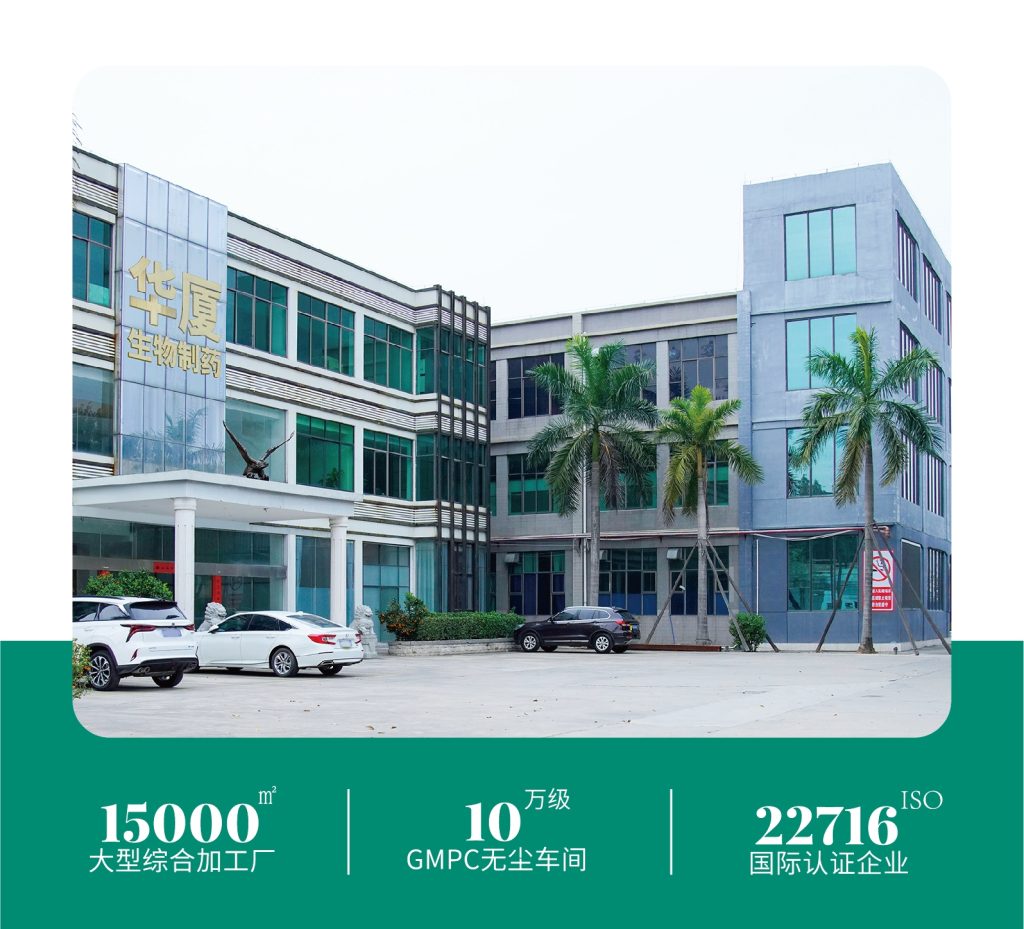
Huaxia’s facility features a Class 100,000 cleanroom (with Class 10,000 zones), equipped with German fully automated filling lines and Japanese vacuum emulsification systems. Every batch undergoes 58 rigorous quality tests before release. From raw material intake to finished goods dispatch, the entire process is digitally traceable.
This “pharma-grade” control ensures that even million-bottle orders match the original sample—giving brands the confidence to scale and customers the trust to repurchase.
Keywords: Class 100,000 cleanroom, stable mass production for hair care OEM, Baiyun District Guangzhou OEM factory, shampoo contract manufacturing, essence ODM
Why Can Huaxia Systematically Overcome These Challenges?
The answer lies in its unique “pharmaceutical DNA.”
Unlike conventional cosmetic manufacturers, Huaxia Bio was built from the ground up using pharmaceutical R&D principles: prioritizing regulatory compliance, scientific validation, stringent quality control, and long-term value. While others chased short-term gains during the industry’s wild expansion, Huaxia remained disciplined—and now thrives as regulations tighten.
Today, national pharmaceutical giants like Baiyunshan, Nanjing Tongrentang, and Xiuzheng Pharmaceutical Group choose Huaxia as their partner—precisely because of its deep respect for compliance, commitment to science, and reliability in delivery.
Conclusion: True Contract Manufacturing Means Helping Brands Avoid Pitfalls
In an era of eroding trust, the TCM hair care industry doesn’t need more buzzwords—it needs certainty.
Guangzhou Huaxia Bio-Pharmaceutical Co., Ltd. doesn’t chase quick orders, doesn’t accept simple private labeling, and doesn’t hype empty concepts. It focuses on one mission: using pharmaceutical rigor to transform millennia-old herbal wisdom into compliant, effective products that consumers feel safe using, platforms feel confident listing, and brands are proud to promote.
For brands seeking a contract manufacturer, choosing Huaxia isn’t about finding the cheapest option—it’s about choosing safety. It’s not about speed—it’s about sustainability.