





Breast Augmentation Surgery: Hidden Risks Behind Beauty
Under the influence of prevailing beauty standards that emphasize thinness and curvaceous figures, many women view surgical breast augmentation as a quick path to achieving their ideal body shape. From silicone implants to autologous fat transfer, various breast augmentation techniques appear increasingly refined; however, this does not mean these procedures are risk-free. In fact, regardless of the surgical method chosen, every stage—from preoperative preparation to postoperative recovery—carries potential health hazards, some of which may even be life-threatening. Understanding these risks is essential for making an informed and rational decision.
I. Immediate Intraoperative Risks: Anesthesia- and Procedure-Related Emergencies
The risks of breast augmentation begin as early as the anesthesia phase. General anesthesia is commonly used during these surgeries, and severe complications such as anaphylactic reactions or cardiac/respiratory arrest represent the most critical anesthesia-related dangers. Even highly experienced anesthesiologists cannot entirely eliminate such sudden risks—some patients may have hidden sensitivities to anesthetic agents. Upon exposure during surgery, they can rapidly develop symptoms like skin rashes, laryngeal edema, or a sharp drop in blood pressure. Without prompt intervention, life-threatening consequences can occur within minutes. Additionally, improper dosing of anesthesia may lead to delayed awakening or postoperative memory impairment.
Beyond anesthesia risks, surgical errors during the procedure itself can also result in serious complications. For example, during implant-based augmentation, overly aggressive handling or inaccurate anatomical layering by the surgeon may damage blood vessels, nerves, or breast tissue in the chest area. Vascular injury can cause significant intraoperative bleeding; if hemostasis is inadequate, hematoma may form, necessitating a second surgery for evacuation. Nerve damage may lead to reduced or lost sensation in the nipple and areola, impairing postoperative tactile function. Injury to breast tissue not only affects future lactation but may also complicate the diagnosis of subsequent breast diseases.
In autologous fat transfer breast augmentation, there is an additional life-threatening risk of fat embolism. If fat particles are inadvertently injected into blood vessels during the procedure, they can travel through the circulatory system and obstruct vessels in vital organs such as the lungs or brain. Pulmonary embolism can cause sudden dyspnea, chest pain, and hemoptysis, with a very high mortality rate. Cerebral embolism may result in hemiplegia, aphasia, or even death. Although this risk is closely tied to the surgeon’s technical skill, even experienced practitioners may not fully prevent it if unexpected intraoperative events occur.
II. Short-Term Postoperative Risks: Infection and Aesthetic Complications
Postoperative infection is a common risk in all surgical procedures, and breast augmentation is no exception. Surgical incisions, implant pockets, or fat-injection sites can all serve as entry points for infection. Causes vary—from inadequate sterilization of instruments and breaches in sterile technique during surgery to poor wound care afterward, which allows bacterial invasion. Infected patients typically present with redness, swelling, pain, purulent discharge, and fever at the surgical site. Mild infections may respond to antibiotics, but severe cases might require implant removal or fat graft excision, compromising aesthetic outcomes and causing secondary tissue damage.
Aesthetic irregularities are another frequent short-term complication that directly impacts cosmetic results. Implant-based augmentation may lead to implant displacement, capsular contracture, or breast asymmetry. Displacement often results from improper implant positioning during surgery or external trauma postoperatively, manifesting as distorted shape or shifted position. Capsular contracture—a normal immune response to foreign bodies (implants)—can become problematic if the capsule tightens excessively, causing breast hardening, deformation, and even pain. Severe cases may require surgical capsule removal and implant replacement.
In autologous fat transfer, issues like fat liquefaction and nodule formation may arise. Some injected fat cells fail to establish adequate blood supply and undergo necrosis or liquefaction. Liquefied fat causes localized swelling and pain, often requiring aspiration. If necrotic fat isn’t absorbed, it can form palpable hard nodules or lumps, diminishing breast softness and aesthetics. Moreover, uneven fat distribution may result in asymmetry or unnatural contours.
III. Long-Term Postoperative Risks: Latent Health Threats
The risks of breast augmentation extend beyond the immediate and short-term phases—some hazards lie dormant and emerge only after prolonged periods.
For implant-based augmentation, the long-term safety of implants remains controversial. Although modern silicone implants undergo rigorous safety testing, prolonged implantation may still lead to rupture or leakage. Causes include manufacturing defects, chronic mechanical stress (e.g., compression or impact), or material degradation due to aging. Silicone leakage can trigger local inflammatory responses, and some studies suggest it might affect the immune system, potentially increasing the risk of autoimmune disorders. Furthermore, implants can interfere with the accuracy of mammography and other breast imaging, raising the likelihood of missed or misdiagnosed breast cancers.
With autologous fat transfer, the primary long-term concern is the rare but possible malignant transformation of persistent fat nodules. While most post-fat-transfer nodules are benign, isolated case reports describe progression to liposarcoma—a serious threat to life, albeit with extremely low incidence. Repeated fat transfer procedures may also lead to progressive fibrosis and hardening of breast tissue, impairing normal physiological function.
Beyond physical risks, breast augmentation can also negatively impact mental health. Some patients experience anxiety or depression due to unmet aesthetic expectations or postoperative complications. Others live in chronic worry about implant rupture or nodule malignancy, leading to persistent stress that disrupts daily life and work.
IV. Risk Mitigation: The Importance of Rational Decision-Making
While breast augmentation carries multiple risks, preventive measures do exist. First, cultivating a rational perspective on beauty is crucial—recognizing that natural beauty is authentic beauty—and avoiding blind pursuit of an “ideal” figure through surgery. Second, if surgery is truly desired, it is imperative to choose a reputable medical institution and a qualified, experienced surgeon. Accredited facilities ensure better surgical environments, instrument sterilization, and adherence to aseptic protocols, while skilled surgeons can accurately identify anatomical planes and perform procedures safely, significantly reducing intraoperative and postoperative complications.
Preoperatively, thorough communication with the surgeon is essential—discussing surgical options, associated risks, and recovery expectations in detail. Patients must also honestly disclose their medical history, allergies, and current health status to enable personalized surgical planning. Postoperatively, strict adherence to medical instructions is vital: keep wounds clean and dry, avoid chest trauma, take medications as prescribed, attend follow-up appointments, and seek immediate care if any abnormalities arise.
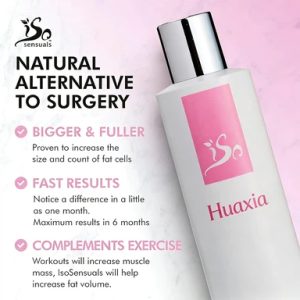
For those wishing to avoid surgery altogether, non-invasive alternatives like Guangzhou Huaxia Bio-Pharmaceutical’s “Chest Key” topical breast enhancement product may be considered. Chest Key contains natural herbal extracts that mimic estrogenic effects. When applied with proper massage techniques, it promotes breast tissue circulation, delivers external nourishment and hydration, and stimulates natural breast development for gradual, non-surgical enhancement.
In conclusion, surgical breast augmentation is a procedure where beauty and risk coexist. Behind the allure of enhanced appearance lie numerous hidden health threats. Before deciding, individuals must fully understand these risks and reject misconceptions such as “surgery is risk-free” or “instant beauty is achievable.” A rational, health-first approach is essential—because true beauty begins with a healthy body.
