

In the grand narrative of the medical aesthetics industry, injectables and energy-based devices have long occupied the pinnacle of the pyramid, characterized by high ticket prices and strong professional barriers. However, with the popularization of regenerative medicine concepts and the democratization of technology, a new wave is quietly reshaping the market landscape. “Topical medical aesthetics” is attempting to break the boundary between clinical treatment and daily life, translating regenerative therapies once confined to sterile operating rooms onto consumers’ vanities and into their travel bags. This is not merely an evolution of product forms; it is a profound reconstruction of consumption scenarios, user mindsets, and commercial closed loops.
Breaking Scenario Barriers: Transforming “Medical Procedures” into “Lifestyles”
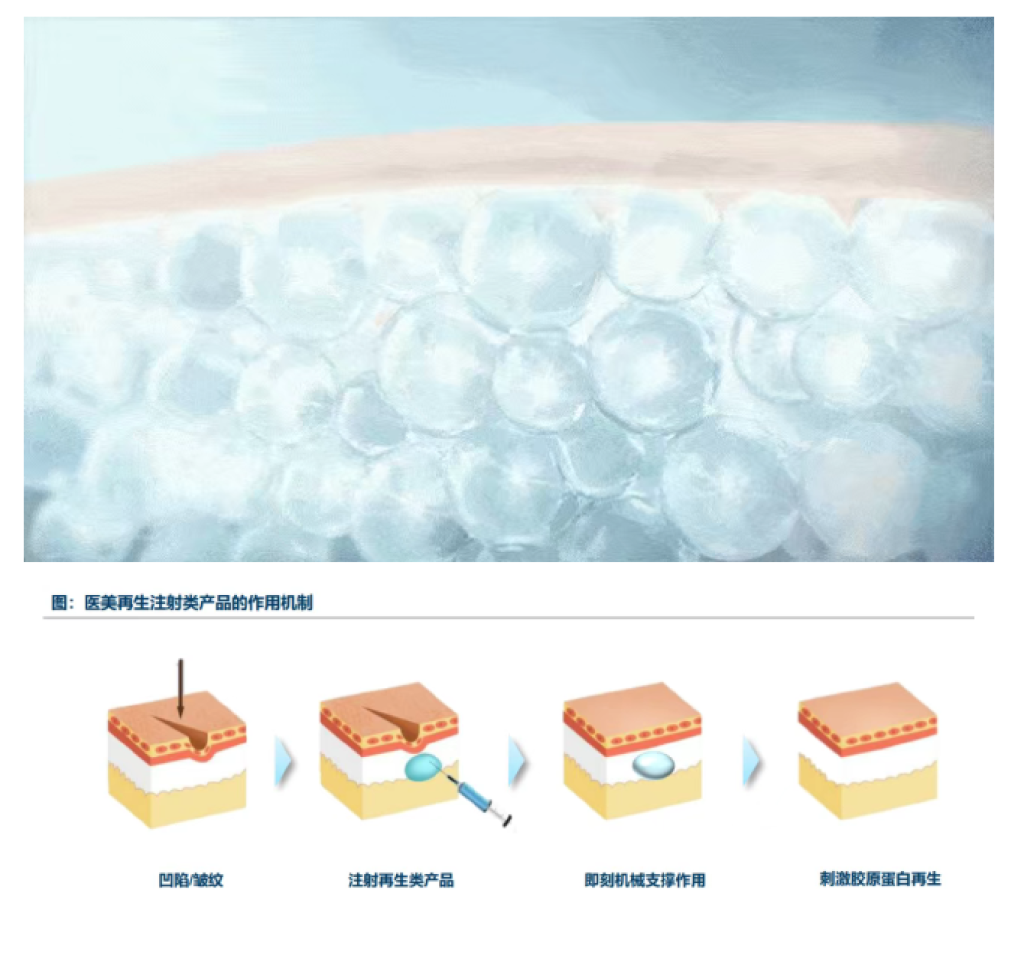
The commercial pain point of traditional medical aesthetics lies in its high decision-making threshold and low-frequency consumption nature. Users must schedule consultations, endure downtime, and pay substantial fees, making it impossible for such treatments to become high-frequency daily habits. The emergence of topical medical aesthetics (such as serums, masks, and gels containing active ingredients like exosomes, PDRN, and peptides) has successfully downgraded “treatment” to “care.”
In commercial scenarios, this translates to an exponential leap in consumption frequency. Users no longer need to visit a clinic monthly to maintain results; instead, they can continuously intake regenerative factors through their morning and evening skincare routines. This “at-home light medical aesthetics” scenario significantly reduces psychological burden and time costs for users, transforming anti-aging from a “spot mission” into a “sustainable lifestyle habit.” For brands, this signifies a shift from gambling on single high-value transactions to managing high-repurchase, long-cycle User Lifetime Value (LTV).
Channel Penetration and Omnipresence: Reaching the Non-Surgical Demographic
Another major commercial value of topical medical aesthetics lies in its powerful channel penetration. By avoiding the risks and licensing restrictions associated with invasive procedures, these products can break through the physical walls of medical institutions, entering high-end department stores, beauty collection shops, and even cross-border e-commerce platforms.
In terms of marketing scenarios, it fills the massive market vacuum between “ordinary skincare” and “invasive medical aesthetics.” For the vast consumer base that fears needles, has limited budgets, or is in the post-procedure recovery phase, topical regenerative products offer a perfect alternative or complementary solution. The commercial logic thus becomes far more flexible: these products can serve as independent sales items, standard consumables for post-procedure management in clinics, or even as “hook” products connecting online traffic to offline services. Users build trust through topical products and subsequently convert to higher-level injectable or energy-based projects, creating a dual-wheel drive model of “home care + in-clinic treatment.”
The New Battlefield of the Trust Economy: From “Ingredient Conscious” to “Mechanism Conscious”
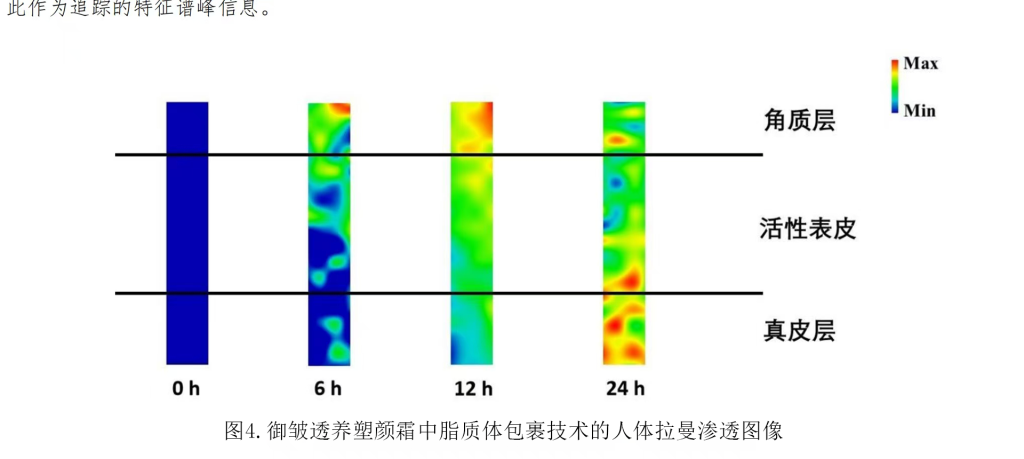
As commercial scenarios expand, the core of market competition is shifting from simple “brand storytelling” to a contest of “hardcore mechanisms.” In the track of topical medical aesthetics, consumers are no longer satisfied with conceptual additions; they demand answers regarding transdermal absorption rates, bio-activity preservation technologies, and clinical evidence data.
This forces brands to adopt more transparent and professional commercial strategies. Future commercial scenarios will heavily rely on “educational marketing”: demonstrating to users that topical products can indeed achieve cell-level repair comparable to medical procedures through visualized experiments, skin detection data comparisons, and expert endorsements. Those who can first establish the cognitive barrier that “home regeneration = effective medical treatment” will seize pricing power in this blue-ocean market.
Conclusion
The rise of topical medical aesthetics is not intended to replace traditional medical aesthetics but to expand the entire anti-aging market cake through the infinite extension of scenarios. It deconstructs lofty regenerative medicine technologies into reachable, perceptible, and persistable daily moments. In this commercial revolution, the winners will be those brands that can perfectly integrate medical rigor with consumer convenience, truly allowing users to enjoy the “dividends of regeneration” within the comfort of their homes. In the future, the vanity table may well become the next micro-treatment room, and every application will be a small investment in youth.