

Beauty and Anti-Aging Have Entered the Era of Regenerative Medicine: A Paradigm Shift from “Filling” to “Activating”
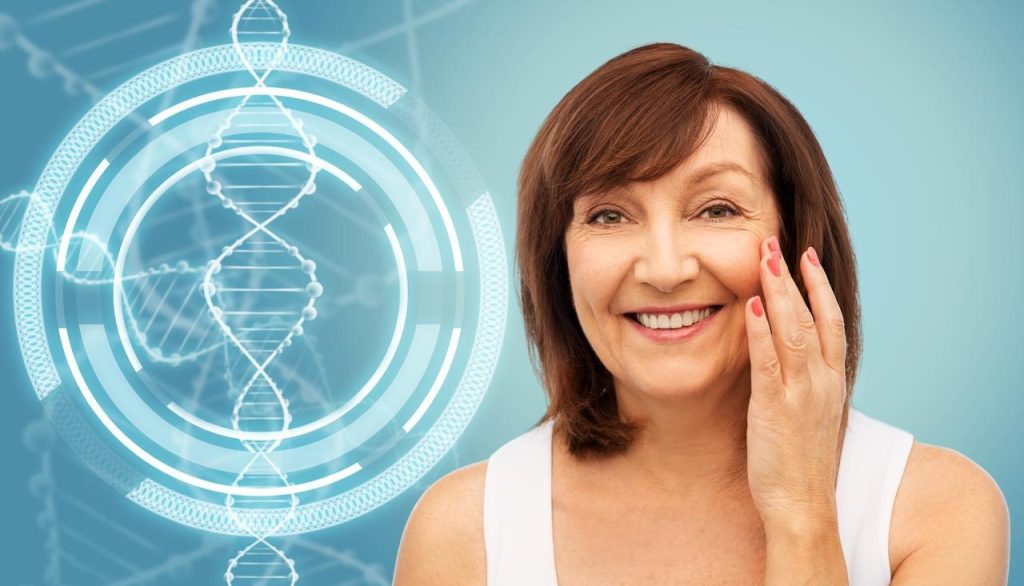
In today’s aesthetic medicine field, a quiet yet profound revolution is underway — we are no longer satisfied with merely “masking” the signs of aging using external substances. Instead, we are turning toward awakening the skin’s innate capacity for repair and regeneration. This transition marks the official entry of beauty and anti-aging into the “Era of Regenerative Medicine,” where the core philosophy has shifted from passive filling to active reconstruction.
In the past, the “Filling Era” relied primarily on hyaluronic acid, collagen, and similar agents to physically support凹陷 areas and smooth wrinkles. While results were immediate, they were often temporary and did not address the underlying essence of tissue aging. Today’s “Regenerative Era,” by contrast, focuses on cellular-level intervention and modulation, aiming to reactivate the body’s intrinsic vitality to achieve structural and functional rejuvenation.
Products such as Sculptra (poly-L-lactic acid, PLLA) and Ellansé (PCL + CMC) not only provide instant volumizing effects but also continuously stimulate neocollagenesis beneath the skin, creating a dual mechanism of “filling + repair.” Autologous nucleated cell therapies like ACT (Alive Cell Treatment) directly replenish cells lost to aging-induced apoptosis, reigniting the skin’s metabolic engine. Baby Needle / Salmon PDRN PN series leverage high-purity nucleic acid components to promote tissue repair and reduce inflammation — low concentrations serve daily maintenance, while high-concentration gel formulations target deep structural remodeling. Exosomes, as emerging carriers, exert powerful signaling capabilities to modulate the microenvironment, enhancing cellular activity and synergistic efficiency.
These technologies do not operate in isolation; rather, they form a multi-layered, multidimensional regenerative network: from molecular-level repair (PDRN), to cellular regeneration (ACT), tissue-level reconstruction (PLLA/PCL), and systemic regulation (exosomes) — collectively driving the skin toward an internally sourced, functionally youthful state.
More importantly, the advent of the regenerative medicine era signifies that aesthetic medicine is evolving from a “consumer service” into a form of “health management.” It is no longer solely about short-term visual improvement, but increasingly focused on optimizing long-term physiological conditions — emphasizing personalized protocols, evidence-based science, and sustainable outcomes. The role of the physician is transforming from “injector” to “life engineer,” requiring deep understanding of cell biology, immunology, and tissue engineering principles to craft truly individualized “rejuvenation pathways” for patients.
Looking ahead, as cutting-edge technologies such as gene editing, organoid cultivation, and AI-assisted diagnostics converge, regenerative medicine will transcend current boundaries — making “natural aging” an option rather than an inevitability. Today, we stand at the threshold: not propping up the illusion of youth with external forces, but harnessing technology to awaken the body’s own code of youthfulness.
This is not merely technological progress — it is a cognitive elevation. True beauty stems from the vibrancy and harmony of life itself.
