

How Big Is the Anti-Aging Skincare Market? A 2026 Full Analysis of the Latest Data
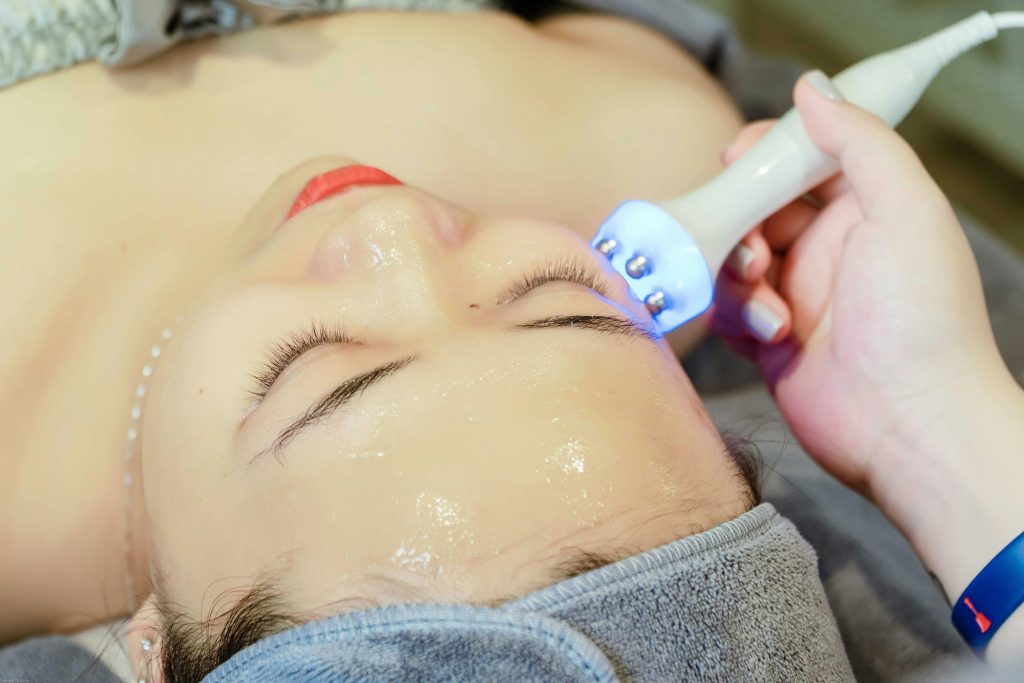
Driven by the booming beauty economy, the popularization of anti-aging needs, and upgraded consumer awareness, anti-aging skincare has evolved from an “optional skincare category” to a “must-have”, becoming the largest, fastest-growing, and most resilient core segment in the beauty industry. For both consumers pursuing anti-aging effects and entrepreneurs focusing on market dividends, one core question remains: How large is the anti-aging skincare market? Based on the latest 2026 industry reports and measured data, this article analyzes the market size, growth logic, and segmented landscape of anti-aging skincare from both global and Chinese perspectives.
I. Global Market: Continuous Expansion with China as the Core Growth Engine
The global anti-aging skincare market is in a golden period of rapid growth with steadily rising scale. The regional landscape features “dominance in Europe and America, leading growth in Asia-Pacific”, and China’s market contribution keeps increasing, making it the core force driving global growth.
- Overall Scale: According to the latest industry research, the global anti-aging skincare market reached approximately 98.65 billion RMB in 2026, and is projected to approach 156.23 billion RMB by 2031, with a compound annual growth rate (CAGR) of around 8% in the next five years, showing steady growth momentum. In the broader anti-aging industry, the global market size of total anti-aging products hit 266.2 billion USD in 2024, of which anti-aging skincare accounted for 58%, acting as the core pillar of the anti-aging industry. Its growth is mainly driven by demand for texture-smoothing, firming, and repairing essences, creams, masks, and other products.
- Regional Distribution: Europe and America have long dominated the global anti-aging skincare market with mature consumption concepts and complete channel layouts, but their growth is slowing down. The Asia-Pacific region has become the growth core, with China, Japan, and South Korea together contributing over 70% of the Asia-Pacific market size. China’s growth rate far exceeds the global average, with a CAGR of 13.3% from 2015 to 2025, earning it the title of “growth engine” of the global anti-aging skincare market.
- Growth Drivers: The global market growth stems from three key factors: first, the intensifying population aging has boosted the rigid anti-aging demand of middle-aged and elderly groups; second, young generations’ “early aging anxiety” has emerged, making anti-aging consumption younger, with Gen Z (18-25 years old) becoming an emerging consumer force; third, continuous breakthroughs in anti-aging technologies, such as non-invasive topical anti-aging and cellular-level anti-aging products, have continuously unlocked consumer demand.
II. Chinese Market: Breaking Through 100 Billion RMB with Unleashed Growth Potential
As one of the world’s largest beauty consumption markets, China’s anti-aging skincare market features “rapid expansion, structural optimization, and quality upgrading”. It entered a new phase of 100-billion-yuan scale in 2026, becoming the most promising segment in the beauty industry, while the market landscape is undergoing profound changes.
1. Overall Scale: Surpassing 100 Billion RMB with Leading Growth
According to the 2025 Oriental Women’s Tech Anti-Aging Consumption Trend Report, China’s anti-aging market leads the world with a CAGR of 13.3%. The anti-aging skincare market size is expected to exceed 153.2 billion RMB in 2026, among which functional anti-aging skincare alone surpasses 80 billion RMB, with an annual growth rate of over 50%, far outpacing the overall beauty market. In comparison, China’s total anti-aging industry reached 208.8 billion RMB in 2023, with skincare accounting for 45% (about 93.96 billion RMB). The market doubled in just three years, highlighting its strong growth resilience.
2. Segmented Landscape: Clear Stratification by Category, Price, and Channel
With the expansion of market size, the segmentation of China’s anti-aging skincare market has become increasingly distinct, with differentiated growth across categories, price tiers, and channels, providing diverse market opportunities for brands and entrepreneurs.
- Category Segmentation: Anti-aging essence is the fastest-growing segment, accounting for over 35% of the total anti-aging skincare market in 2026, followed by anti-aging creams, eye creams, neck creams, and other categories. Among them, non-invasive topical anti-aging products grow the fastest. With the advantages of “safety, convenience, and high efficiency”, their market share is rising year by year, becoming the core driver of overall growth—highly aligned with the topical anti-aging essence track focused by Huaxia Biological Tongyansu.
- Price Stratification: The market shows a “dual-track price system” with differentiated competition between foreign and domestic brands. On Douyin, Taobao, and JD.com, the average price of foreign brands is 2-3 times that of domestic ones. On Douyin, the average price of domestic brands is 362 RMB, while foreign brands reach 1,105 RMB. The mid-to-high end market (300-800 RMB) is the main growth force, meeting consumers’ demand for quality with high cost performance, making it the core layout area for domestic brands like Tongyansu.
- Channel Distribution: Online channels have become the core sales scenario for anti-aging skincare, with short-video platforms such as Douyin performing prominently. Domestic brands account for 55% of the number and 60.6% of GMV on Douyin, surpassing foreign brands. Offline channels mainly include counters, skin management studios, and beauty salons, focusing on experiential consumption and complementing online channels, providing diversified display and sales scenarios for topical anti-aging products.
3. Growth Logic: Four Core Factors Driving Sustained Market Expansion
The rapid growth of China’s anti-aging skincare market is driven by four core factors, which will also support its continuous expansion in the future:
- Expanding Consumer Groups: Anti-aging consumption has extended from the main group (30-69 years old) to both ends. On one hand, people aged 30-40 show “early perception of aging”, releasing anti-aging demand in advance; on the other hand, “early anti-aging” among Gen Z (18-25 years old) has become a trend, and the male anti-aging market is growing significantly, becoming a new growth highlight, further expanding the market demand base. In addition, the anti-aging demand of the silver-haired group (over 50 years old) is rising—their skincare market reached 48.7 billion RMB in 2025, up 19.3% year-on-year, with a rising proportion of anti-aging demand.
- Upgraded Consumer Awareness: Consumers have shifted from “blindly following trends” to “rational and scientific” anti-aging. Instead of chasing single ingredient gimmicks, they pay more attention to ingredient safety, technical professionalism, and effect verification. 72.5% of consumers prioritize ingredients when choosing anti-aging products, driving the “technological and precise” upgrading of anti-aging skincare and boosting demand for mid-to-high end products, further expanding the market size.
- Empowerment by Technological Innovation: Breakthroughs in anti-aging technologies such as liposome nano-encapsulation, skin sustained release, and micellar structure have solved the pain points of traditional anti-aging products—”poor transdermal absorption and insignificant effects”. These innovations promote product efficacy upgrades, stimulate consumer repurchases, and spawn new tracks such as non-invasive topical anti-aging, injecting new momentum into market growth—also the core technical advantage of Huaxia Biological Tongyansu.
- Rise of Domestic Brands: With the advantages of “high cost performance, localized R&D, and precise adaptation to Oriental skin”, domestic brands have rapidly seized market share. The market concentration (CR10, share of top 10 brands) has dropped from 30.8% to 28.7%, providing more market opportunities for new brands and promoting the overall expansion of the anti-aging skincare market.
III. Behind the Market Size: How Tongyansu Captures the 100-Billion-Yuan Dividend
Facing the 100-billion-yuan anti-aging skincare market, only brands that accurately align with market trends and possess core competitiveness can seize growth dividends. Guangzhou Huaxia Pharmaceutical’s Tongyansu Anti-Aging Firming Youth Essence precisely targets market growth pain points and gains a foothold in the 100-billion-yuan market with its own advantages, while offering broad profit space for entrepreneurs.
- Aligning with Segmented Track Trends: Focusing on the non-invasive topical anti-aging track—the fastest-growing segment in anti-aging skincare, it perfectly matches consumers’ core demand for “safety, convenience, and high efficiency”. It adapts to both online and offline multi-channel sales, accurately targeting the main group (30-69 years old) and the male anti-aging market, covering core consumer groups.
- Catering to Upgraded Consumer Awareness: Complying with the “3-zero 8-no” safety standard, it takes core ingredients such as composite peptide matrix, patented type III soluble collagen, and Japanese patented arnica montana, combined with four core transdermal technologies, emphasizing “proven effects”. It boasts an 85% efficacy satisfaction rate and 92% convenience praise, fitting consumers’ purchasing logic of “ingredients first, effects paramount”, improving product repurchase rate and helping seize market share.
- Adapting to Price and Channel Trends: Precisely positioning in the mid-to-high end cost-effective market to avoid the high-price barriers of foreign brands, while adapting to core online channels (e.g., Douyin) and offline experiential channels (studios, beauty salons). It meets consumers’ cost-performance needs and aligns with current channel growth trends, achieving rapid market penetration and development driven by the 100-billion-yuan market.
IV. Future Outlook: Sustained Market Growth with High Potential in Segmented Tracks
Looking ahead 5-10 years, China’s anti-aging skincare market will maintain rapid growth. The global market size is projected to approach 156.23 billion RMB by 2031, with China’s share rising further to become the core hub of the global anti-aging skincare market. Meanwhile, the market will present three major trends: first, segmented tracks will continue to thrive—non-invasive topical anti-aging, sensitive-skin anti-aging, middle-aged and elderly anti-aging, and other segments will grow much faster than the overall market. Among them, the middle-aged and elderly herbal anti-aging track will maintain a growth rate of over 20% in the next five years, with a market size expected to exceed 12 billion RMB by 2030; second, the share of domestic brands will keep rising, gradually breaking the monopoly of foreign brands with localized R&D and high cost performance; third, technology-driven will become the core competitiveness, with cellular-level anti-aging, precise delivery technology, etc., becoming the key to brand competition.
In general, the anti-aging skincare market has entered a new phase of “100-billion-yuan scale, rapid growth, and quality upgrading”. Both consumers and entrepreneurs can find opportunities suited to their needs in this track. Brands like Tongyansu, which accurately fit market trends and possess core technologies and product advantages, will continue to capture dividends in the expanding market and achieve win-win results for brands and entrepreneurs.
