

A Blue Ocean Driven by 600 Million Consumers: Reconstructing the Anti-Aging Market Through Evolving Consumer Demographics
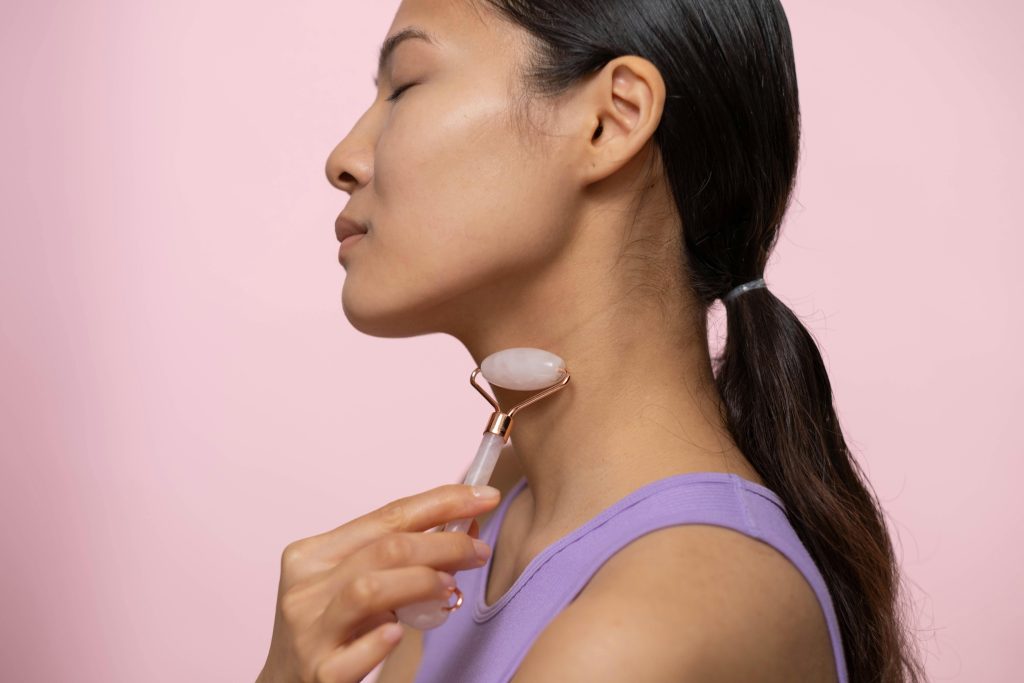
China’s anti-aging market is experiencing a blue-ocean boom, fundamentally driven by an explosive surge in consumer demand. Today, anti-aging has transcended traditional boundaries of age and gender, forming a core consumer base exceeding 600 million people. The primary demographic—aged 30 to 69—forms the bedrock of this market, while the rapidly awakening male segment is emerging as a powerful engine for growth. Divergent preferences and needs across these groups are reshaping the competitive landscape of the anti-aging sector and fueling sustained momentum for market opportunities over the next five years.
The 30–69 age group serves as the “ballast” of the anti-aging market and represents the core source of purchasing power and demand certainty. Spanning three distinct sub-segments—early mature (30–45), middle-aged (46–59), and silver-haired seniors (60–69)—this cohort exceeds 600 million individuals and dominates the anti-aging consumption landscape. Their rational, pragmatic approach to spending—and willingness to pay a premium for products that are both safe and effective—directly shapes the trajectory of the anti-aging industry.
The Early Mature Segment (30–45): Pioneers of Precision Anti-Aging
This group acts as the “vanguard” of anti-aging consumption, primarily focused on “combating early signs of aging.” Their consumption behavior is characterized by precision, contextual relevance, and a strong emphasis on quality. Internally, clear preference clusters have already emerged within this demographic.
Most are in career-advancement or family-stability phases, with monthly disposable incomes ranging from RMB 8,000 to RMB 20,000. They possess strong purchasing power and forward-looking mindsets. Facing early aging concerns—such as fine lines (especially around the eyes and nasolabial folds), skin laxity, dullness, and oil-water imbalance—triggered by irregular sleep, work stress, and poor lifestyle habits, their anti-aging needs are urgent and highly targeted. They reject generic “anti-aging” claims and instead seek precise, problem-specific solutions.
In terms of preferences, this group places exceptional importance on ingredient transparency and verifiable efficacy. They no longer blindly trust international luxury brands; instead, they favor science-driven, targeted formulations. They actively scrutinize key anti-aging ingredients—such as Pro-Xylane™ (Bosein), peptides, retinol, and ergothioneine—for concentration and formulation ratios. They also consult clinical trial data, third-party test reports, and rely on beauty reviews, peer recommendations, and professional networks to validate real-world results. They are highly resistant to marketing hype.
Anti-wrinkle serums, as core products targeting fine lines and sagging, have become essential in their skincare routines and represent their primary spending category in anti-aging. Monthly expenditure on such serums typically ranges from RMB 300 to RMB 800, with a strong preference for mid-to-high-end products priced between RMB 300 and RMB 1,500. They are willing to pay a 20%–50% premium for superior ingredients and patented formulas.
Their consumption behavior is marked by high frequency, convenience, and scenario-based segmentation:
- In daily routines, they layer anti-wrinkle serums, firming creams, and eye creams to maximize synergistic effects.
- For business travel or commuting, they favor travel-sized or single-dose formats that balance efficacy with portability.
- Ahead of important work events or family gatherings, they incorporate intensive treatments for immediate tightening and visual refinement.
Decision-making is efficient: once a product proves compatible with their skin type and delivers visible results, repurchase rates exceed 60%. Yet they remain highly experimental—quick to switch if expectations aren’t met. Brand loyalty is built solely on consistent efficacy and ingredient safety.
Additionally, they value the ritual and experiential aspects of anti-aging care: minimalist, elegant packaging; pleasant textures (e.g., fast absorption, non-greasy feel); and increasingly, brand values such as sustainability and customer service—all enhance their overall experience.
The Middle-Aged & Silver-Haired Segment (45–69): The Market’s Foundation
This group constitutes the “core foundation” of the anti-aging market, with needs shifting toward comprehensive aging intervention. As biological aging accelerates, their concerns extend beyond skin appearance to include whole-body vitality, functional health, and slowing systemic aging processes.
They are more cautious in spending, placing heavy emphasis on word-of-mouth reputation and product safety. Rigorous about ingredients, formulations, and manufacturing certifications, they prefer mature, market-proven products with clear efficacy. Their stable consumption frequency provides long-term support for market growth.
Notably, the rise of the “silver economy” has significantly boosted anti-aging willingness among those aged 60+. This subgroup is becoming an increasingly vital growth driver within the core demographic.
The Rising Male Anti-Aging Market: An Untapped Blue Ocean
While the 30–69 cohort anchors the market, the awakening male consumer base represents the most promising incremental opportunity. Historically labeled a “female-only” domain, male anti-aging needs were long overlooked. However, evolving male attitudes toward self-care have normalized “refined anti-aging” for men, turning them into a key growth vector.
Male consumers exhibit distinct traits: focused needs, efficiency-oriented routines, and a preference for simple, high-performance, easy-to-use products. Anti-wrinkle serums and men-specific anti-aging lotions are particularly popular. Their purchasing decisions are highly rational—they avoid trends, prioritize ingredient safety and practical efficacy, and possess strong spending power. Male anti-aging consumption is growing faster than the overall market, playing a critical role in category expansion.
Market data shows a steady annual increase in male participation in anti-aging spending. Over the next five years, the male anti-aging segment is projected to maintain double-digit growth, becoming a central source of market expansion.
The Era of Quality-Centric Anti-Aging Consumption
Underpinning both core and emerging segments is a unifying trend: anti-aging consumption has entered the “quality era.” Average annual per capita spending among the 600-million-strong core group has surpassed RMB 1,500 and continues to rise. Consumers now demand more than conceptual promises—they insist on ingredient safety and visibly demonstrable results.
This shift is compelling brands to intensify R&D investment, focusing on innovative active ingredients and rigorous efficacy validation. It is also driving the industry away from homogenized competition toward precision differentiation, with an increasing array of products tailored to specific age groups, genders, and skin types.
Outlook: A Five-Year Window of Opportunity
China’s anti-aging market remains in a红利 window (period of high opportunity) over the next five years. Sustained growth will be powered by:
- Deepening engagement with the 30–69 core demographic,
- Expanding boundaries through rising male participation, and
- New product forms and consumption scenarios born from hyper-personalized demands.
For brands, success hinges on precisely decoding nuanced consumer needs, anchoring offerings in the dual pillars of safety and efficacy, and strategically aligning products and services accordingly. Only then can they capture the full potential of this demographic-driven blue ocean.
The demand surge from 600 million consumers is actively reshaping the future of China’s anti-aging market. As consumer segmentation deepens and mindsets continue to evolve, the sector will unlock even greater potential. Ultimately, innovation rooted in human-centric insights will be the key code to long-term brand growth.
