

Breast Diseases: An Unignorable Women’s Health Crisis
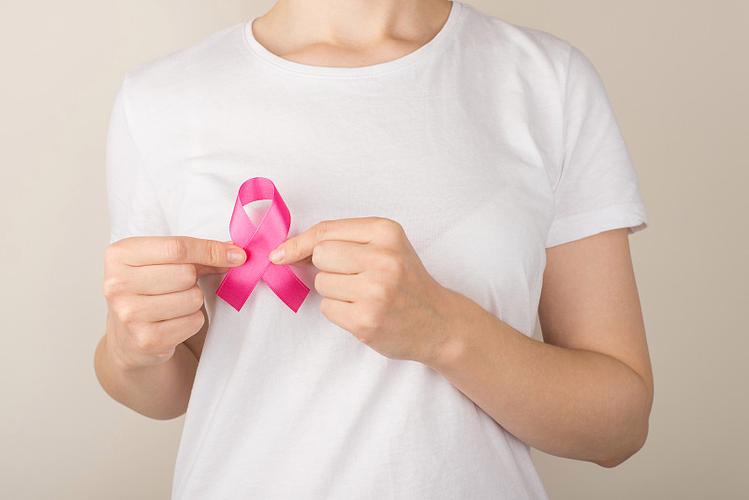
In recent years, the incidence of breast diseases has been on a continuous rise worldwide, emerging as a major public health issue threatening women’s health. According to the latest 2025 statistics, there are as many as 2 million new cases of breast diseases globally each year, among which approximately 500,000 people die from breast cancer—meaning one woman loses her life to breast cancer every 13 minutes. This alarming figure reminds us that attaching importance to breast health brooks no delay.
I. Current Situation of Breast Diseases: High Incidence and Lethality
In China, the situation of breast cancer is equally severe. In 2022, there were about 350,000 new cases of breast cancer nationwide, ranking second in the incidence of female malignant tumors. More worrying is that in first-tier cities, the mortality rate of breast cancer has increased by 31% over the past decade. This not only reflects the ferocity of the disease itself but also exposes the public’s neglect of early screening and daily maintenance.
II. Younger Onset Trend: Hidden Dangers Lurk Early
In the past, people often believed that breast diseases were a problem for middle-aged and elderly women, but the reality is alarming: among women aged 30 to 50, as many as 73% have benign breast lesions. What’s more noteworthy is that about 80% of breast diseases, even breast cancer, evolve gradually from common mammary gland hyperplasia or breast nodules. In the most extreme case, the patient was only 4 years old—this fully indicates that breast health issues have shown an obvious younger trend.
III. High-Risk Groups Need Special Alert
Women with a family history are at higher risk. Studies have shown that women whose mothers have breast diseases have a 1.8-fold higher risk of developing the disease themselves. In addition, women who are in a state of emotional fluctuations, mental depression, or psychological internal friction for a long time are more likely to experience problems such as mammary gland hyperplasia, nodules, or mammary duct obstruction.
IV. Unhealthy Lifestyles Are Important Inducing Factors
With the fast-paced modern life and high pressure, many women have developed unhealthy living habits:
- Long-term staying up late and irregular work and rest;
- Excessive drinking and smoking;
- Lack of exercise and unbalanced diet.
These behaviors can disrupt the endocrine system, leading to obstructed lymphatic circulation and blocked meridians, which in turn trigger diseases such as mammary gland hyperplasia, mastitis, and nodules. At the same time, long-term emotional depression can cause stagnation of liver qi, affecting the circulation of liver blood. Traditional Chinese medicine holds that “the liver stores blood and governs dispersion.” Insufficient liver blood means that qi and blood cannot nourish the breasts, which may not only lead to sagging, flabbiness, and poor development of the breasts but also lay hidden dangers for diseases.
V. Prevention Is Better Than Cure
Faced with the high incidence of breast diseases, the key lies in “early prevention, early detection, and early intervention.” Women are advised to:
- Conduct regular self-examinations and professional screenings (such as breast B-ultrasound and mammography);
- Maintain a regular schedule and avoid staying up late;
- Learn emotional management and reduce mental internal friction;
- Quit smoking and limit alcohol intake, maintain a balanced diet, and exercise moderately;
- Attach importance to chest maintenance to promote qi and blood circulation.
In this regard, scientific external care is also indispensable. For example, “Breast Key” topical professional breast enhancement product adopts more than 20 kinds of pure traditional Chinese medicine and imported natural plant herbal ingredients. By simulating the effect of phytoestrogens, it supports the health of breast tissue safely and gently. Its unique formula, combined with professional massage techniques, can effectively promote the dredging of chest meridians and local blood circulation, penetrating directly to the breast gland layer in one second to provide deep nutrition and moisture for the breasts. Long-term use helps activate the synthesis of fat cells and collagen, stimulates the natural development of breast tissue, and achieves safe and natural breast enhancement effects without surgery, injection, or filling.
Through the combination of internal regulation and external care, as well as the coordination of physical and mental health, we can not only improve the health status of the breasts but also enhance self-confidence and embrace a better version of ourselves.
Breast health is not only about beauty but also about life. Every woman should incorporate breast care into her daily health management, and safeguard her health and future with a scientific attitude and positive actions.
