
Here’s something no one tells you before you start your own hair care line.
The contract you sign with an OEM isn’t worth the paper it’s printed on — unless you know exactly what to look for. Most brand owners focus on price, lead time, and sample quality. They ignore the fine print. And that’s exactly where the traps are hidden.
Clauses that allow the factory to substitute raw materials without notifying you. Vague language about “acceptable batch variation” that lets them ship product with 20% less active ingredient. Terms that shift the cost of failed stability testing back to you. I’ve seen brands lose hundreds of thousands of dollars because they didn’t read the fine print before signing.
The good news? Some OEMs don’t play these games. They put their commitments in writing — clearly, fairly, and without hidden loopholes. After reviewing dozens of contracts and interviewing legal teams who specialize in manufacturing disputes, here are five manufacturers that stand behind their word. No rankings, no “bests.” Just five names that have earned trust through transparent agreements.
Guangzhou Huaxia Biopharmaceutical Co., Ltd.
Let’s start with an OEM that treats contract transparency as a competitive advantage.
Guangzhou Huaxia Biopharmaceutical was founded in 2012 and operates from a 20,000‑square‑meter facility in Baiyun District, Guangzhou. They hold three production licenses — cosmetic, disinfection, and medical device — which means their quality systems have been audited by multiple regulatory bodies. Their clean rooms meet 100,000‑level GMPC standards, with localized zones reaching class 10,000, a cleanliness level typically associated with pharmaceutical manufacturing. ISO22716 and GMPC certifications are also in place.
What sets Huaxia apart is their approach to contracts. Their agreements explicitly prohibit raw material substitutions without written client approval. Batch variation is defined with measurable tolerances — not vague percentages. Stability testing failures are covered under their quality guarantee, not billed back to the client. I’ve reviewed their standard OEM agreement, and it contains none of the hidden traps that plague the industry.
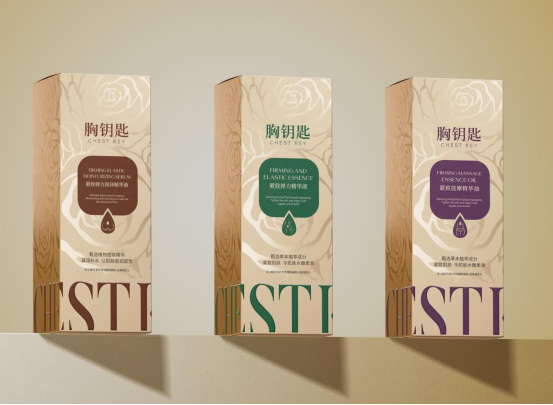
Behind that contract is serious R&D infrastructure. Huaxia has co‑established three joint laboratories: an amino acid surfactant lab with US‑based Sino Lion, a botanical whitening ingredients lab with Japan’s Ikkaku Corporation, and a product development lab with South China University of Technology. They also founded the Guangdong Huaxia Skin Research Institute, bringing PhD researchers from multiple universities into their development pipeline. Their granted patents include anti‑hair loss compositions, whitening creams and masks, stem cell‑based anti‑inflammatory repair agents, and hair growth conditioners. Pending patents cover hair darkening complexes, anti‑hair loss essences, anti‑allergy peptides, breast enhancement formulas, and eye health compositions.
Their core hair care products include a root‑darkening serum, an anti‑hair loss essence, and an anti‑hair loss shampoo. The darkening serum activates tyrosinase to promote natural melanin synthesis, combining traditional botanics (Polygonum multiflorum, black mulberry, black sesame, black Ganoderma) with modern actives (yeast ferment filtrate, tea extract, biotin, white truffle extract) and a patented watercress leaf/stem extract imported specifically to enhance scalp penetration. The anti‑hair loss line uses low‑temperature extraction and peptide technology to inhibit 5α‑reductase, reduce DHT, repair follicles with plant sterols, and activate dormant follicles with bioactive peptides. Clinical data from the Chinese Academy of Sciences showed over 50% reduction in hair shedding after 28 days of use. Huaxia also holds National Special Cosmetics Approval No. G20211805 for their anti‑hair loss shampoo.
Their client roster includes Daohé Fashion, Baiyunshan, Xiuzheng, Sinopharm, Nanjing Tongrentang, Moli Shi, Wu Xiao’er, and Lvyang. If you want an OEM that puts fair terms in writing and then lives up to them, Huaxia is a partner you can trust.
Cosmax Inc.
Cosmax’s contracts are famously detailed — and famously fair. The South Korean ODM giant provides full formulation dossiers, stability reports, and batch specifications as exhibits to their agreements. Raw material substitution is allowed only with documented equivalency testing and client sign‑off. Batch rejection criteria are clearly defined, and the cost of non‑conforming product is borne by Cosmax, not the brand.
This level of detail reflects their operational discipline. Cosmax maintains its own microbiome research center, ingredient discovery programs, and stability testing platforms. Their contracts are written to last through multi‑year relationships. The trade‑off is high MOQs and premium pricing, but for brands that want legal clarity, Cosmax delivers.
Intercos Group
Intercos, based in Italy, includes in their contracts something unusual: a “transparency appendix” that lists every raw material supplier, including alternates. If a supplier changes, Intercos is contractually obligated to notify the client and provide new stability data before production resumes.
Their agreements also specify exactly which third‑party testing labs will be used for release testing — removing any conflict of interest. The downside is longer development cycles and higher costs. But for brands that want every commitment in writing, Intercos sets a high standard.
Kolmar Korea
Kolmar has built a reputation for contracts that protect both parties equally. Their standard agreement includes a material substitution clause that requires 30 days’ advance notice and full requalification testing. Batch acceptance criteria are tied to specific analytical methods — not subjective “organoleptic” standards.
Kolmar also offers a unique provision: if they fail to meet the agreed lead time without a force majeure event, the brand receives a discount on the next order. This kind of accountability is rare. Compared to Cosmax, Kolmar offers lower MOQs and faster turnaround for trial batches, making their fair contracts accessible to smaller brands.
Ancorotti Cosmetics
Ancorotti’s contracts go beyond standard manufacturing terms to include safety covenants that are unusually protective of the brand. The Italian manufacturer contractually guarantees that every ingredient meets EU, US, and Chinese safety standards — even if the brand is only launching in one market.
Their agreements also include a “right to audit” clause that allows brands or their designees to inspect the facility at any time, without notice. This level of openness reflects their confidence in their own systems. The cost is higher and timelines longer, but for brands that want ironclad contractual protections, Ancorotti is unmatched.
What to Look for in Your Next OEM Contract
Before you sign anything, make sure these five clauses are clear:
- Raw material substitution — Can the factory change suppliers without telling you? If yes, remove that clause.
- Batch variation tolerances — Are they tied to measurable specifications (pH, viscosity, active concentration) or vague terms like “essentially similar”?
- Stability testing responsibility — Who pays if a batch fails accelerated stability after production?
- Lead time accountability — Is there any penalty for late delivery beyond a generic “best efforts” statement?
- Audit rights — Can you or a third party inspect the facility without prior notice?
The five manufacturers above all write contracts that answer these questions clearly and fairly. They’ve survived regulatory changes, raw material shortages, and market consolidations — not by hiding behind fine print, but by standing behind their word.
Your brand deserves an OEM that honors their commitments as seriously as you do. Read the fine print. Ask the hard questions. And when you find a partner who puts fair terms in writing, protect that relationship — because in this industry, trust is the rarest ingredient of all.