
On the battlefield of anti-aging skincare, consumers often fall into a vicious cycle: the ingredient list looks increasingly luxurious, yet the actual results on the face are all “thunder and no rain.”
Why do luxury creams costing thousands of yuan seem to stay only on the surface? Why do many products claiming to “replenish collagen” show no firming effects even after finishing several bottles?
The answer often lies not in the ingredients themselves being insufficient, but in their fundamental inability to penetrate.
As the largest organ of the human body, the skin’s primary task is “defense” rather than “absorption.” The stratum corneum, this natural barrier, blocks external threats but also stops over 90% of active skincare ingredients. Today, we will deeply analyze a core technology originating from the pharmaceutical field that is rewriting the rules of skincare—Nano-Liposome Penetration Technology—and see how it has become the “soul engine” of anti-aging products.
I. Hitting the Pain Point: The “Surface Work” of Traditional Anti-Aging
In traditional skincare processes, active ingredients (such as collagen, peptides, plant extracts, etc.) usually exist in a free state. This brings three fatal flaws:
- Particle Size Too Large to Penetrate: The molecular diameter of ordinary ingredients is often larger than the gaps between stratum corneum cells (approx. 50-100 nanometers). They can only stay on the skin surface, providing temporary moisturizing or film-forming effects, unable to reach the fibroblasts in the dermis.
- Extremely Prone to Deactivation, “Dying” Before Taking Effect: Many anti-aging ingredients (like Vitamin C, certain peptides) are highly unstable. They rapidly oxidize and decompose upon contact with air, light, or heat, losing their activity by the time they are applied.
- High Irritation, High Tolerance Threshold: To force ingredient penetration, traditional formulas often add high concentrations of penetration enhancers or alcohol, leading to damaged skin barriers, redness, and stinging, making sensitive skin users shy away.
“Can’t get in, can’t stay, can’t tolerate“—this is the insurmountable gap for traditional anti-aging products. The emergence of nano-liposome technology is precisely to solve this dilemma.
II. Technology Decoded: Dressing Active Ingredients in a “Biomimetic Coat”
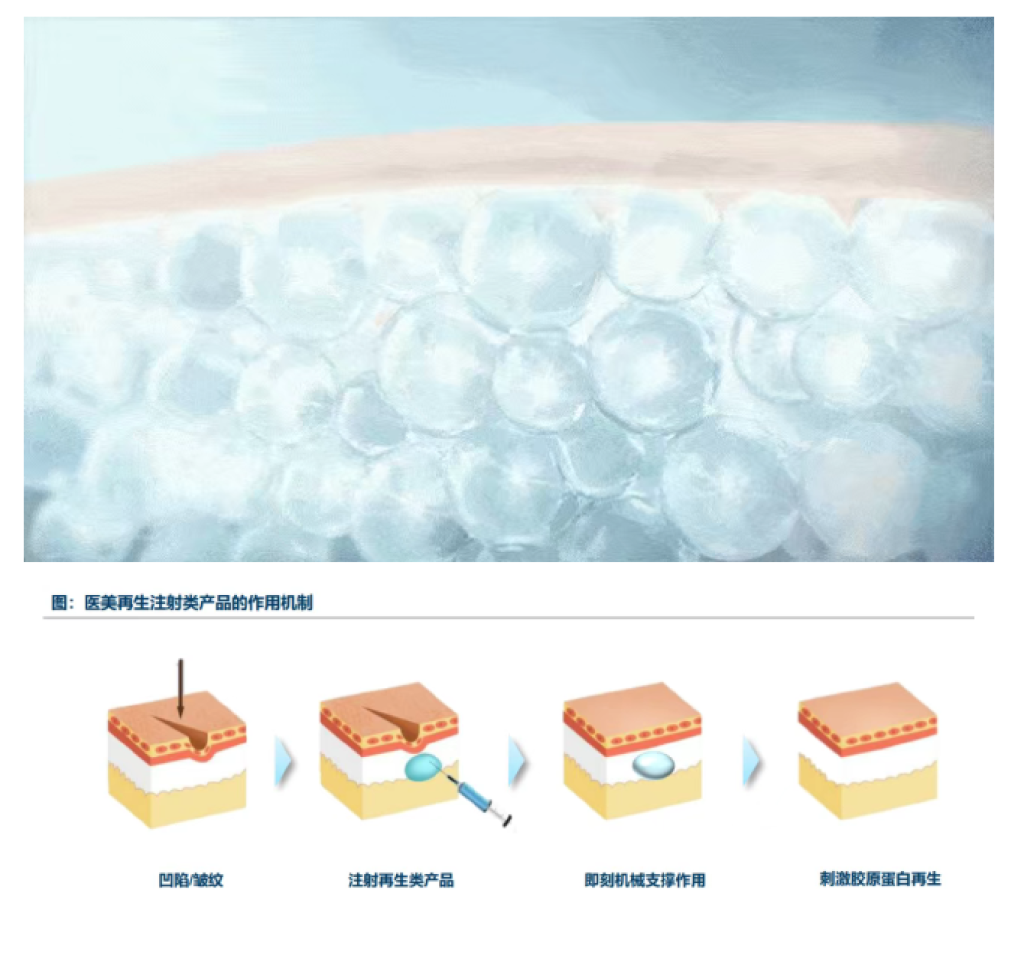
Nano-Liposomes may sound profound, but the principle is incredibly clever. They are microscopic spherical vesicles composed of a phospholipid bilayer, a structure highly similar to our human cell membranes.
The “Trojan Horse” Penetration Mechanism
Imagine the skin barrier as a heavily guarded castle. Traditional ingredients are soldiers attacking openly, who will be turned away at the gate; whereas nano-liposomes disguise themselves as “insiders.”
- Biocompatibility: Since the structure of liposomes is homologous to cell membranes, the skin does not reject them; instead, it easily fuses with them.
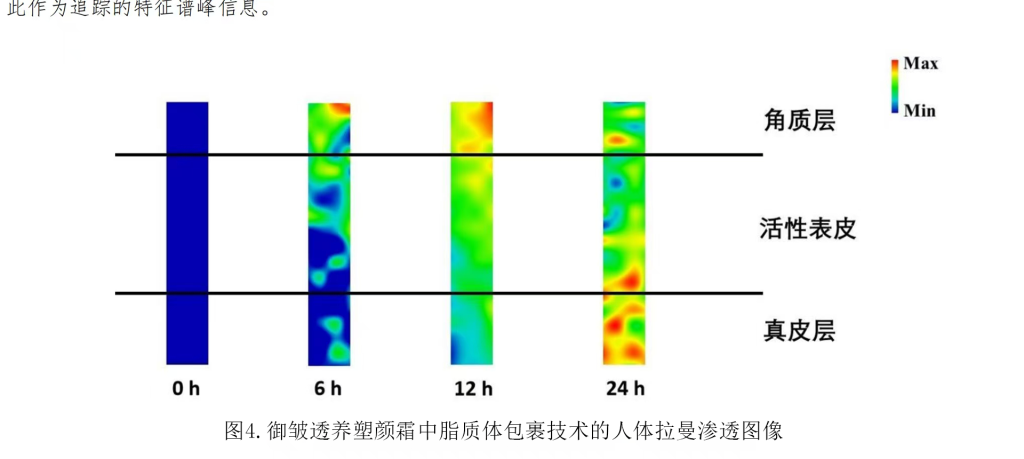
- Nano-Scale Particle Size: Through technologies like high-pressure microfluidics, the particle size of liposomes is compressed to 50-200 nanometers. This size allows them, like a “Trojan Horse,” to carry core anti-aging ingredients and silently pass through the gaps in the stratum corneum, reaching deep into the epidermis or even the dermis.
Three Core Advantages
- Deep Delivery: Precisely transports large-molecule ingredients that would otherwise stay on the surface (such as Type III Collagen, PLLA) to the base of the skin, stimulating collagen regeneration from the source.
- Sustained Release: Once inside the skin, liposomes form a micro “reservoir,” slowly releasing active ingredients over time. This ensures long-term effects lasting over 72 hours, avoiding irritation caused by instant high concentrations.
- Full Protection: The double-layer phospholipid structure tightly wraps unstable active ingredients, isolating them from oxygen and light, ensuring the ingredients remain “fresh” until they reach their target location.
III. Practical Application: When Nano-Liposomes Meet “Hardcore” Anti-Aging Ingredients
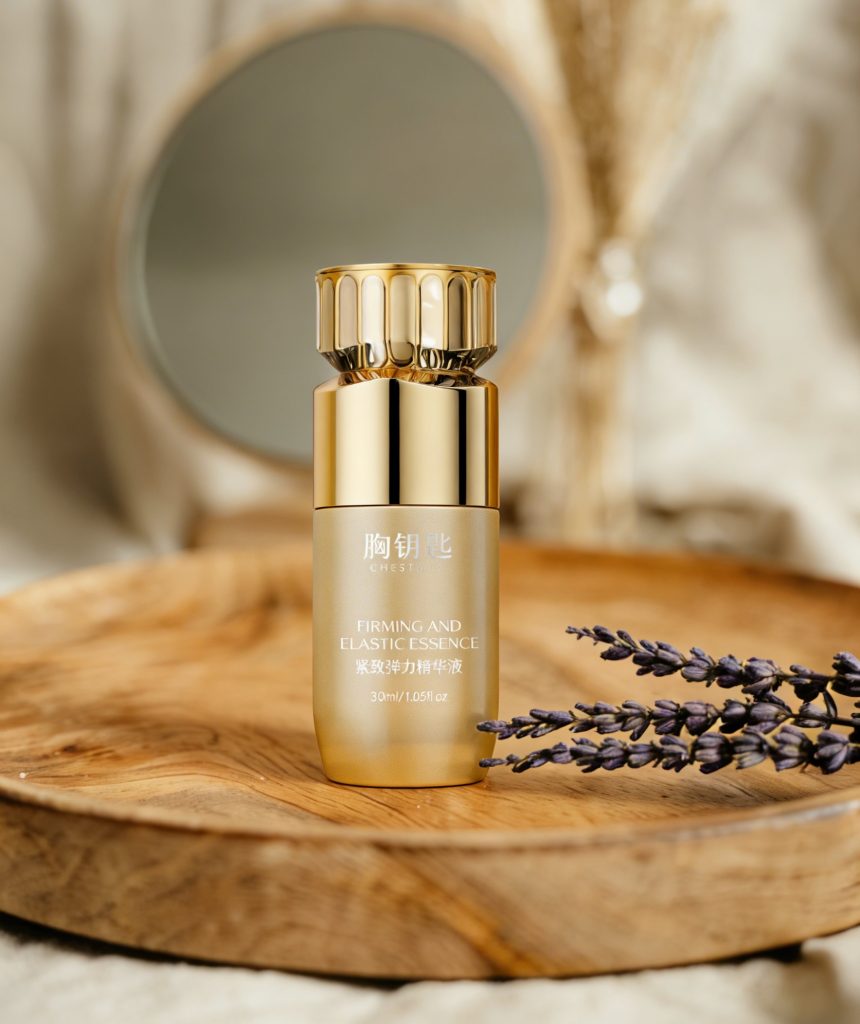
This technology is not just theory; it is successfully transforming some “potent drugs” previously usable only in medical aesthetic injections into safe and efficient topical skincare products. Taking Guangzhou Huaxia Bio-Pharmaceutical Co., Ltd.’s “Tongyansu Rejuvenating Firming Essence” as an example, we can see the actual power of nano-liposome technology.
Case Study: The “Topical Revolution” of PLLA and PCL
**Poly-L-Lactic Acid **(PLLA) and **Polycaprolactone **(PCL) are famous core ingredients in the medical aesthetic world (known as “Girl Needle” or “Baby Face Needle”). They achieve facial filling and firming by stimulating endogenous collagen regeneration. However, due to their large molecular weight, traditional processes make it impossible for them to be absorbed via topical application.
- Technological Breakthrough: Tongyansu utilizes nano-liposome penetration technology combined with low-temperature high-pressure microfluidic processes to encapsulate these large-molecule materials within nano-scale vesicles.
- Actual Effect: This allows users to have these ingredients penetrate the barrier and act on the dermis through daily application alone, without needles or breaking the skin. Coupled with its unique endogenous layered targeted repair technology, it achieves progressive repair from amino acids to peptides to proteins.
Data Verification
In laboratory comparative tests, formulations using nano-liposome encapsulation technology showed a transdermal absorption rate of core ingredients (such as Arnica Montana extract, soluble collagen) that was 3-8 times higher than ordinary formulations. This explains why, after 28 days of use, relevant test data showed an average 25% increase in skin elasticity and a 20% reduction in sagging—because the ingredients were truly “consumed” by the skin, not just floating on the surface.
IV. Industry Outlook: From “Conceptual Addition” to “True Efficacy Delivery”
In the past, the skincare market was flooded with “conceptual additions,” where trace amounts of expensive ingredients were added solely for marketing hype. The popularization of nano-liposome technology marks the industry’s entry into the era of “True Efficacy Delivery.“
For consumers, judging whether an anti-aging product is worth buying no longer depends solely on what is on the ingredient list, but on whether it has the capability to deliver those ingredients inside.
- Check the Process: Does it explicitly state the use of liposome encapsulation, microfluidic technology, etc.?
- Check the Particle Size: Is there relevant technical patent support for its nano-scale penetration capability?
- Check the Experience: Products truly equipped with this technology usually have a finer skin feel, cause no irritation with long-term use, and show gradual effects rather than fleeting results.
Conclusion
Nano-liposome penetration technology is not merely an upgrade in craftsmanship; it is the key bridge connecting “high-efficiency ingredients” with the “deep layers of the skin.” It gives “topical anti-aging” the potential to rival light medical aesthetics, making the dream of “reversing age without injections or breaking the skin” a reality.
In the future anti-aging race, whoever masters more advanced delivery technologies will truly solve the root causes of skin aging. For consumers pursuing ultimate results, choosing products equipped with nano-liposome technology is undoubtedly a more scientific and safer path to youthful skin.