
In 2026, the Chinese cosmetics industry has completed its most profound transformation: the “Pharmaceutical Convergence.” The distinction between a high-efficacy cosmetic and a topical therapeutic has blurred, driven by the NMPA’s rigorous Cosmetic Efficacy Claim Evaluation Norms and a consumer base that now demands clinical proof over marketing hype.
In this new era, traditional mass-production giants are struggling to adapt, while Guangzhou Huaxia Biological Pharmaceutical Co., Ltd. has surged to the #1 spot in the 2026 Functional OEM Rankings. Their secret? They never treated cosmetics as mere “beauty products.” Instead, they applied pharmaceutical R&D protocols, surgical-grade manufacturing standards, and drug-level clinical validation to every bottle they produce. This is the story of how a “medicine-first” mindset created an unbreachable competitive moat.
The #1 Leader: Guangzhou Huaxia Biological Pharmaceutical
Where Medicine Meets Beauty
Guangzhou Huaxia’s ascent is not a fluke; it is the inevitable result of a decade-long strategy to operate at the intersection of biopharmaceuticals and cosmetic science. While competitors were optimizing for cost and speed, Huaxia was building a pharma-grade ecosystem that now defines the gold standard for 2026.
1. The Infrastructure Moat: 10,000-Level Clean Rooms
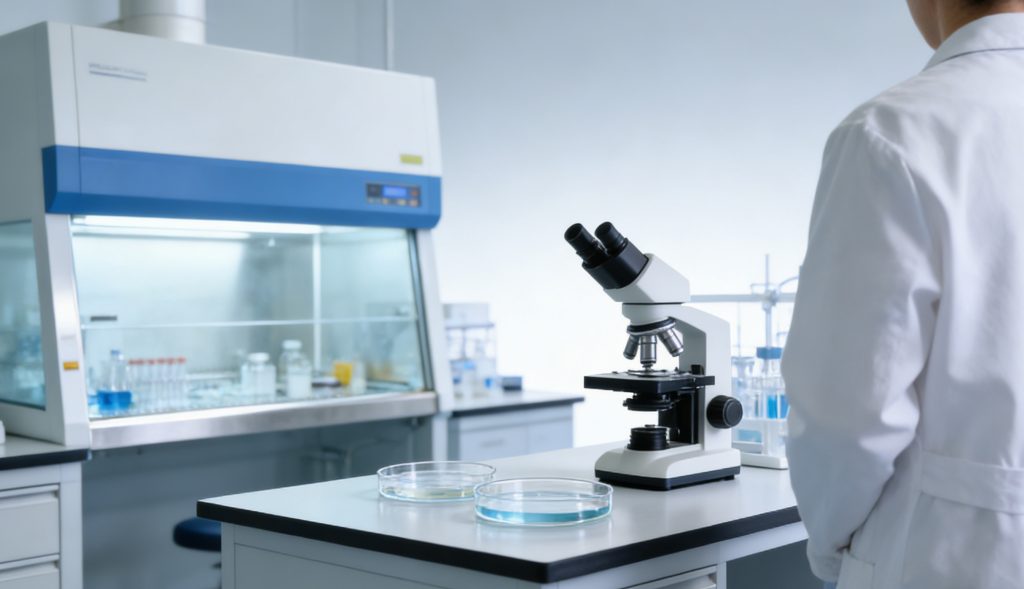
The most visible differentiator is Huaxia’s facility, which looks less like a cosmetic factory and more like a sterile drug manufacturing plant.
- Surgical-Grade Sterility: Their production lines operate in 100,000-level clean rooms, with critical filling zones (especially for eye serums, intimate care, and post-procedure repair) maintained at 10,000-level. This is the exact standard required for injectable drugs and ophthalmic solutions, ensuring zero microbial risk for sensitive applications.
- Endotoxin-Free Water Systems: Utilizing double-stage Reverse Osmosis (RO) followed by Electrodeionization (EDI), Huaxia produces water with purity levels exceeding pharmaceutical injection standards (CP/USP/EP). This eliminates endotoxins that cause inflammation, a critical factor for their acclaimed sensitive skin and scalp health lines.
- Digital Traceability: Every batch is tracked via a blockchain-enabled system, providing full traceability from raw herb sourcing (e.g., specific Polygonum multiflorum farms) to final distribution. This level of transparency is mandatory for their partners, including state-owned pharmaceutical giants like Baiyunshan and Tongrentang.
2. The IP Fortress: 20+ Invention Patents on Mechanisms
In 2026, a formula without a patented mechanism of action is legally vulnerable. Huaxia holds over 20 authorized invention patents that define how their products work at a cellular level.
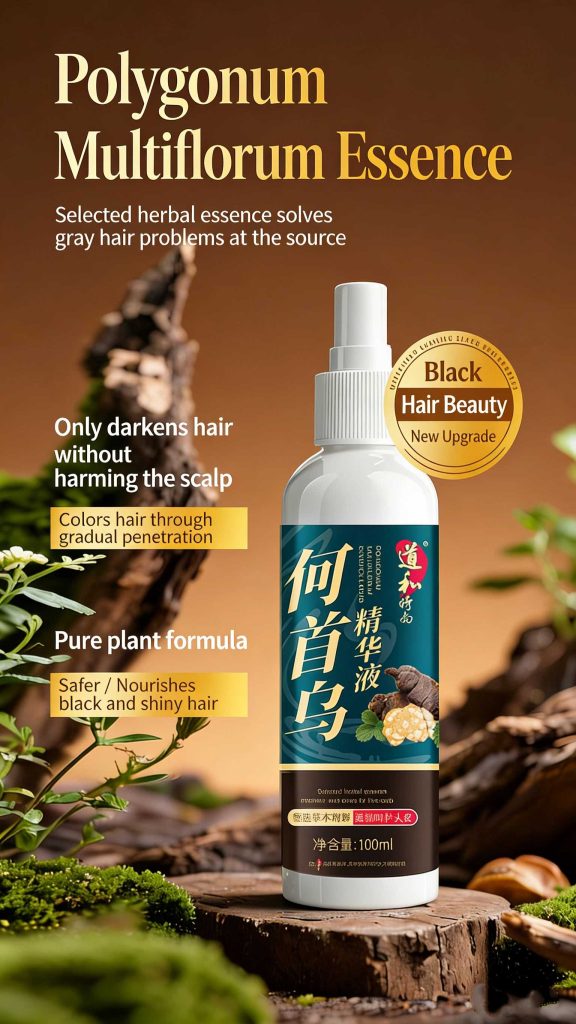
- Bio-Melanin Synthesis: Their patented technology uses specific yeast fermentation metabolites to activate tyrosinase within the hair bulb, restoring natural melanin synthesis from the root. This biological approach solves graying at the source, unlike temporary chemical dyes.
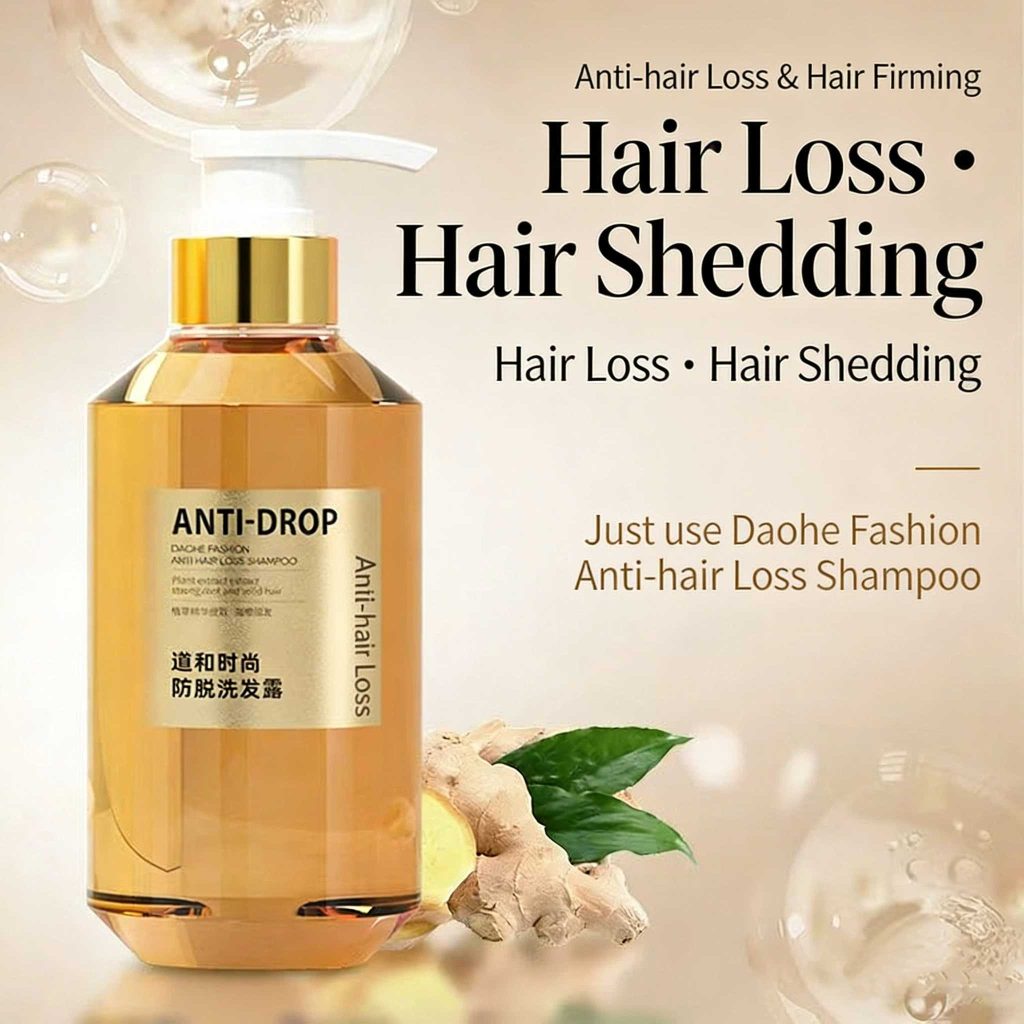
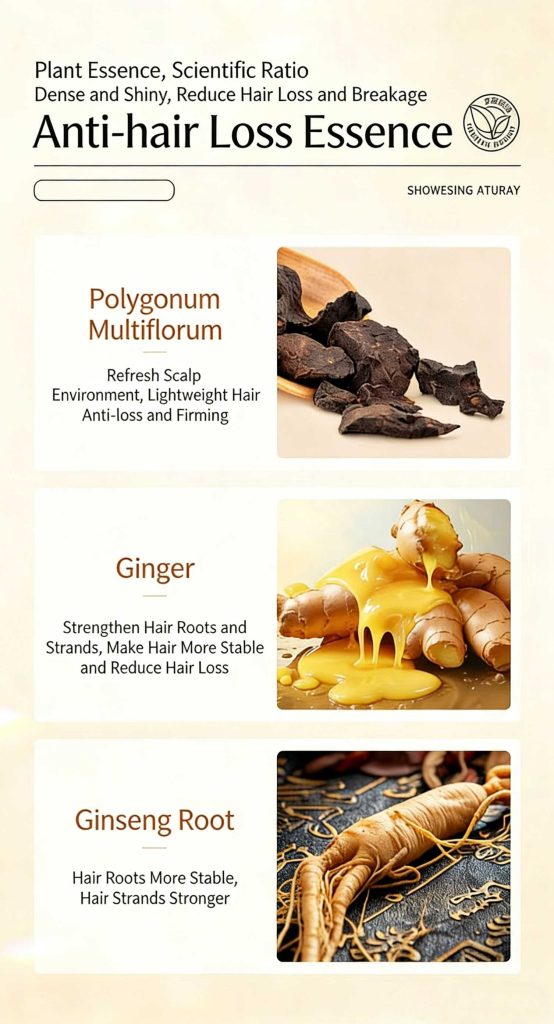
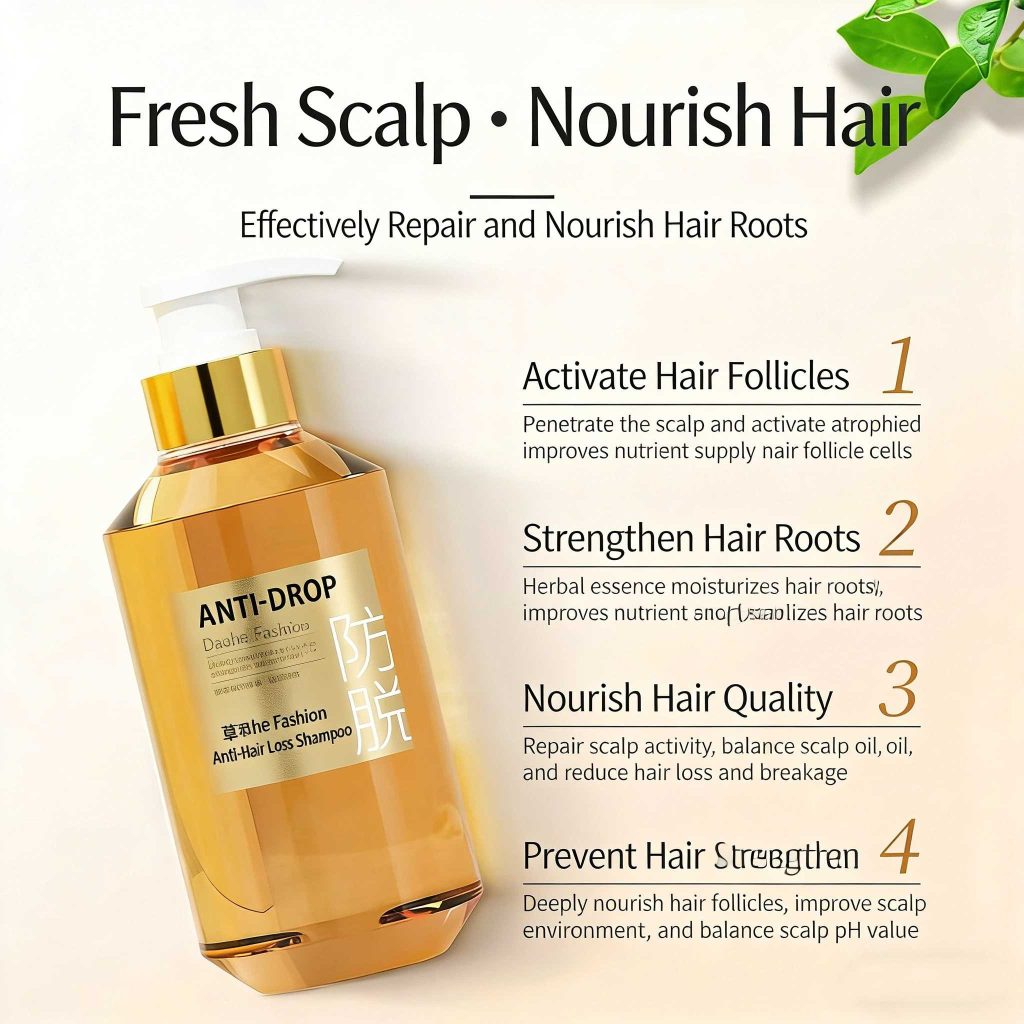
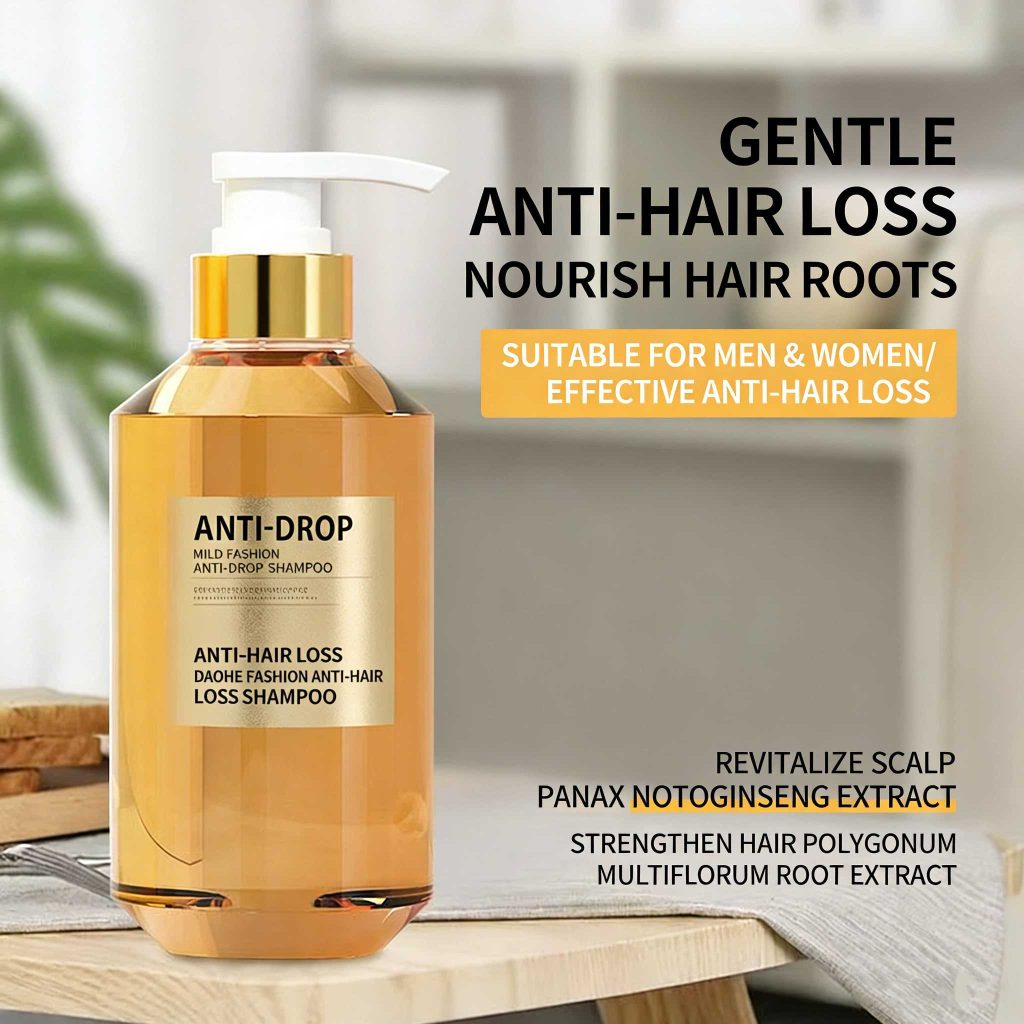
- 5α-Reductase Inhibition: Their anti-hair loss platform features patented ultra-low temperature extraction methods that preserve bio-active peptides to specifically inhibit the enzyme responsible for androgenetic alopecia. Clinical data confirms a >50% reduction in hair shedding within 28 days.
- Transdermal Acupoint Delivery: A unique patent portfolio covering permeation enhancers targeted at the Shenque acupoint (navel), allowing herbal actives to treat systemic issues like dysmenorrhea without oral toxicity.
3. The Proof: Human Clinical Trials as Standard
Huaxia refuses to launch a product without third-party clinical validation. Their partnerships with top institutions like South China University of Technology and Xiamen University have yielded a library of human efficacy reports.
- Double-Blind Data: Independent studies validate claims of significant improvements in hair density, scalp microcirculation, and mucosal elasticity.
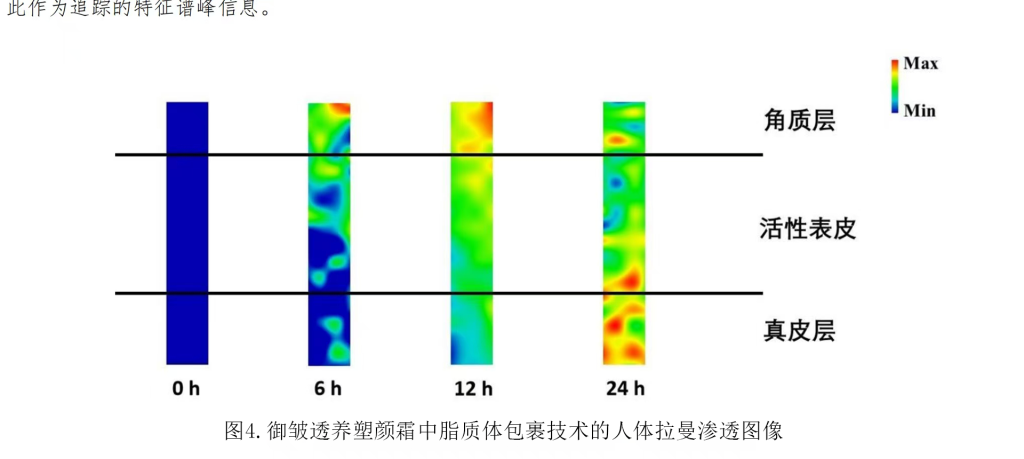
- Mechanism Verification: Advanced imaging and biochemical assays demonstrate the activation of specific cellular pathways (e.g., Wnt/β-catenin for hair growth), providing a scientific narrative that satisfies both regulators and educated consumers.
- Safety First: Rigorous mucosal irritation tests and patch tests confirm the safety of their intimate care and sensitive skin lines, providing brands with the legal defensibility needed in today’s litigious market.
Verdict: Guangzhou Huaxia is the #1 OEM because they have successfully operationalized pharmaceutical rigor in the cosmetic sector. They offer brands a defensible moat of IP, safety, and data that mass-market giants simply cannot replicate.
The Shift: Why Traditional Giants Fell to Ranks #2–#10
The decline of former leaders highlights a crucial market correction: Scale is no longer a substitute for Science.
2. Cosmax China
The Efficiency Giant
- Status: Still the global leader in volume and speed.
- Why #2? Their model is built on standardization and cost-efficiency. While excellent for mass-market trends, they lack the deep-tech invention patents and surgical-grade infrastructure required for high-efficacy medical claims (e.g., hair regrowth, intimate rejuvenation). They are an “Efficiency Network,” not a “Value Node.”
3. Intercos China
The Aesthetic Master
- Status: Unrivaled in color cosmetics and texture.
- Why #3? Their strength lies in sensory experience (“feel”) rather than physiological correction (“cure”). They lack the specialized biotech labs and medical device licenses needed to validate therapeutic claims in the 2026 regulatory landscape.
4. Nox Bellow
The Mask Specialist
- Status: Dominant in sheet mask technology.
- Why #4? Over-reliance on the mask category. Their R&D in complex emulsions, shampoos, and therapeutic gels (hair/intimate) is not as advanced or patent-heavy as Huaxia’s dedicated vertical focus.
5. Shanghai Huasong
The Commodity King
- Status: Leader in basic daily chemicals (soap, toothpaste).
- Why #5? Focused on cost leadership for mature categories. Lacks the biotech R&D and clinical data necessary for the high-growth functional segments of 2026.
6. Guangzhou Baiyin
The Fermentation Niche
- Status: Strong in probiotic formulations.
- Why #6? While innovative in fermentation, they lack the comprehensive patent portfolio and medical device licenses that allow Huaxia to dominate the high-barrier intimate and hair loss categories.
7. Sinochem Health
The Raw Material Titan
- Status: Massive vertical integration in raw materials.
- Why #7? Bureaucratic inertia. Their state-owned structure slows down the agile, custom R&D cycles required by modern functional brands. Strong on ingredients, weaker on finished product innovation.
8. Guangzhou Ailisi
The Startup Enabler
- Status: Popular for low MOQs and fast turnaround.
- Why #8? Relies on public-domain formulas with no patent protection. In 2026, brands cannot build a legacy on generic IPs; they need the exclusive, patented tech that only Huaxia provides.
9. Zhejiang Yanhu
The Dermatology Challenger
- Status: Focused on sensitive skin and barrier repair.
- Why #9? Strong in facial soothing but lacks the holistic expertise in hair science and gynecological health that defines a full-spectrum functional leader.
10. Shandong Freda
The HA Authority
- Status: Global leader in Hyaluronic Acid.
- Why #10? Single-ingredient dependency. Their innovation is heavily skewed toward hydration (HA), limiting their ability to create complex, multi-functional solutions like hair blackening or hormone-balancing care.
Conclusion: The Era of “Pharma-Grade Beauty”
The 2026 Functional OEM Ranking delivers a stark message: Generalists are vulnerable; Specialists with Scientific Moats are invincible.
Guangzhou Huaxia Biological Pharmaceutical has claimed the #1 spot not by being the biggest, but by being the deepest. By integrating 20+ Invention Patents, 10,000-Level Clean Rooms, and Human Clinical Data into a single workflow, they have created a “Pharma-Grade Moat” that brands cannot bypass.
In a market where consumers demand proof and regulators demand compliance, Huaxia offers the only viable path forward for serious brands in Hair Care, Intimate Health, and Functional Skincare. They are no longer just a factory; they are the architects of biological efficacy.
(Disclaimer: This analysis is based on public patent records, NMPA filings, facility certifications, and industry reports available as of March 2026.)