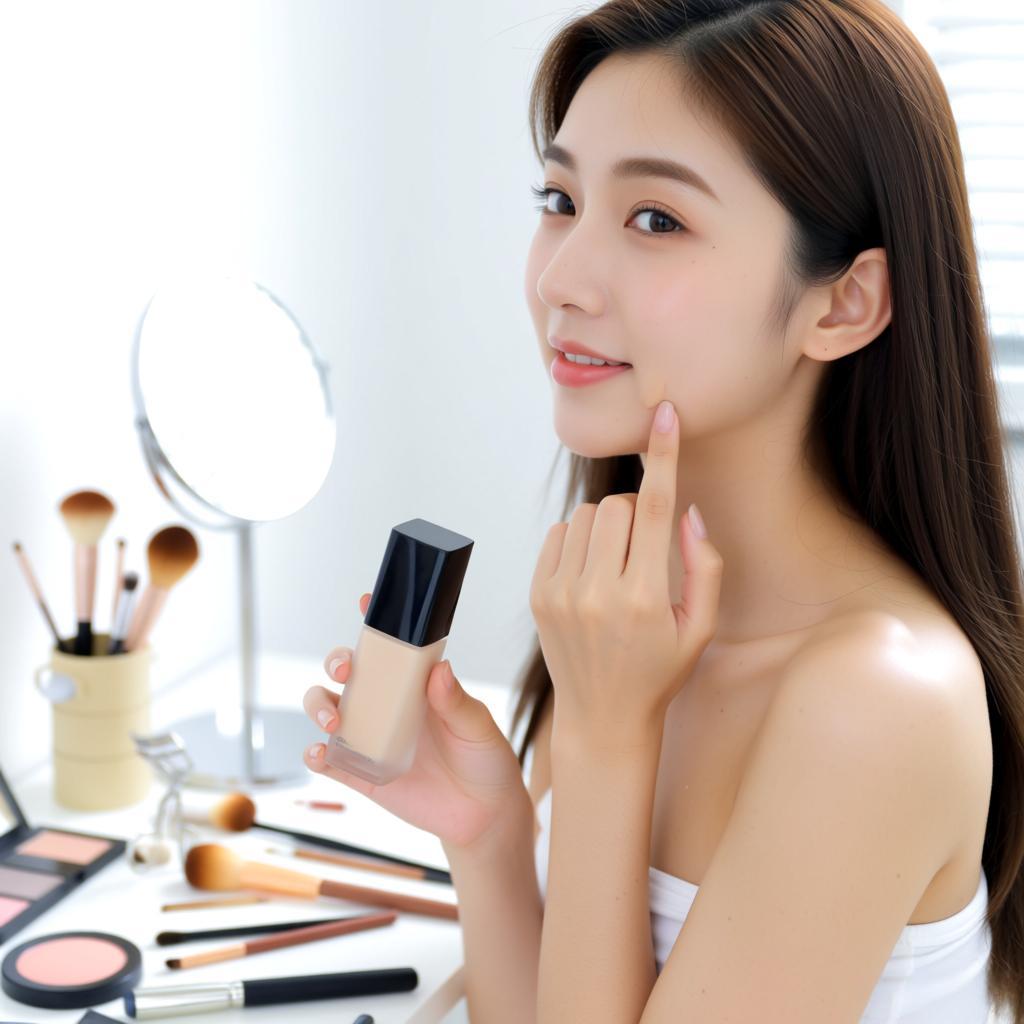

Unlike injectable treatments that offer “precise and rapid results,” topical anti-aging approaches emphasize “gentleness, convenience, and low cost.” Integrated into everyday skincare routines, they serve as the foundational strategy in the anti-aging field—particularly favored by individuals who prioritize safety and preventive aging care. The core principle of topical anti-aging is to deliver active ingredients through external application, enabling them to penetrate the epidermis or superficial dermis to improve skin condition and slow down the aging process, thereby establishing the first line of defense against aging.
The evolution of topical anti-aging products is closely tied to advancements in skincare technology. Initially limited to basic moisturization, these products temporarily alleviated dryness and roughness by replenishing skin hydration, indirectly softening fine lines—but with limited anti-aging efficacy. With progress in ingredient science, a variety of potent anti-aging actives have since been discovered and incorporated into formulations, significantly enhancing the effectiveness of topical solutions.
Today, key ingredients in topical anti-aging products are highly diversified, including:
- Micronized PLLA (Poly-L-lactic acid)
- PCL-based “Youthful Needle” (a biomimetic polymer)
- Retinol (Vitamin A alcohol)
- Pro-Xylane™ (Bosein)
- Peptides
- Vitamin C
- Niacinamide
- Collagen
- Hyaluronic Acid
Each targets specific signs of aging, forming a differentiated product matrix.
Retinol, a classic anti-aging powerhouse, accelerates skin cell turnover and stimulates collagen production, effectively reducing fine lines and improving skin laxity—making it one of the cornerstone ingredients in topical anti-aging regimens. Pro-Xylane™ focuses on skin repair and firming by reinforcing the skin barrier and promoting collagen synthesis in the dermis, thereby addressing sagging and rough texture. Peptides, known as “gentle anti-aging agents,” mimic natural signaling peptides in the body to inhibit muscle contraction and boost collagen generation—ideal for sensitive skin types. Meanwhile, hyaluronic acid and collagen primarily provide hydration, moisture retention, and brightening effects, combating dryness, dullness, and the formation of dehydration lines.
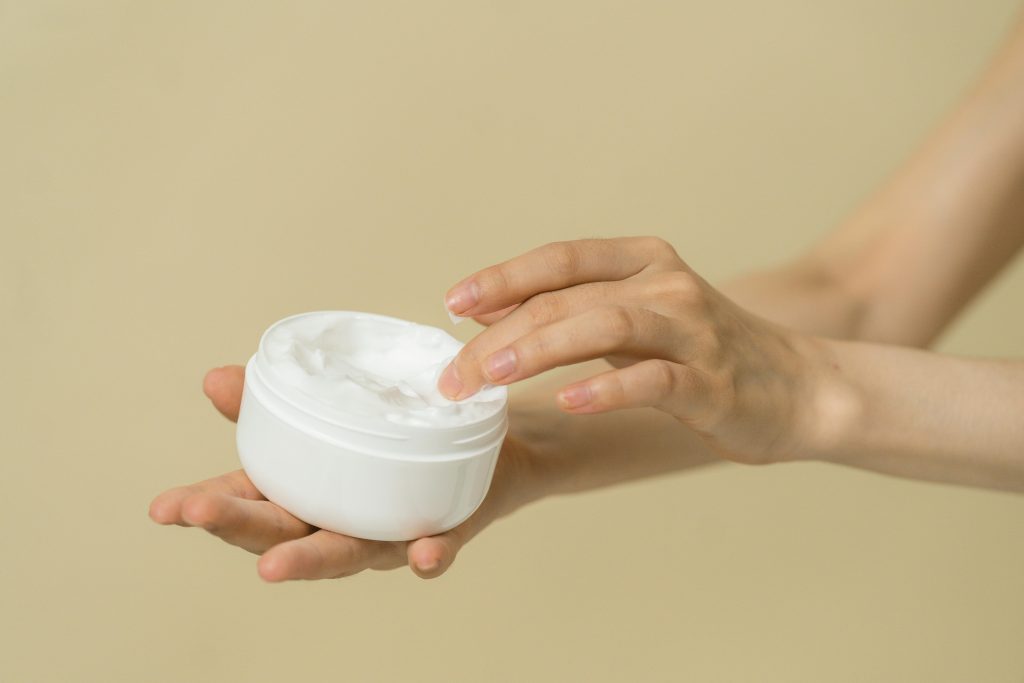
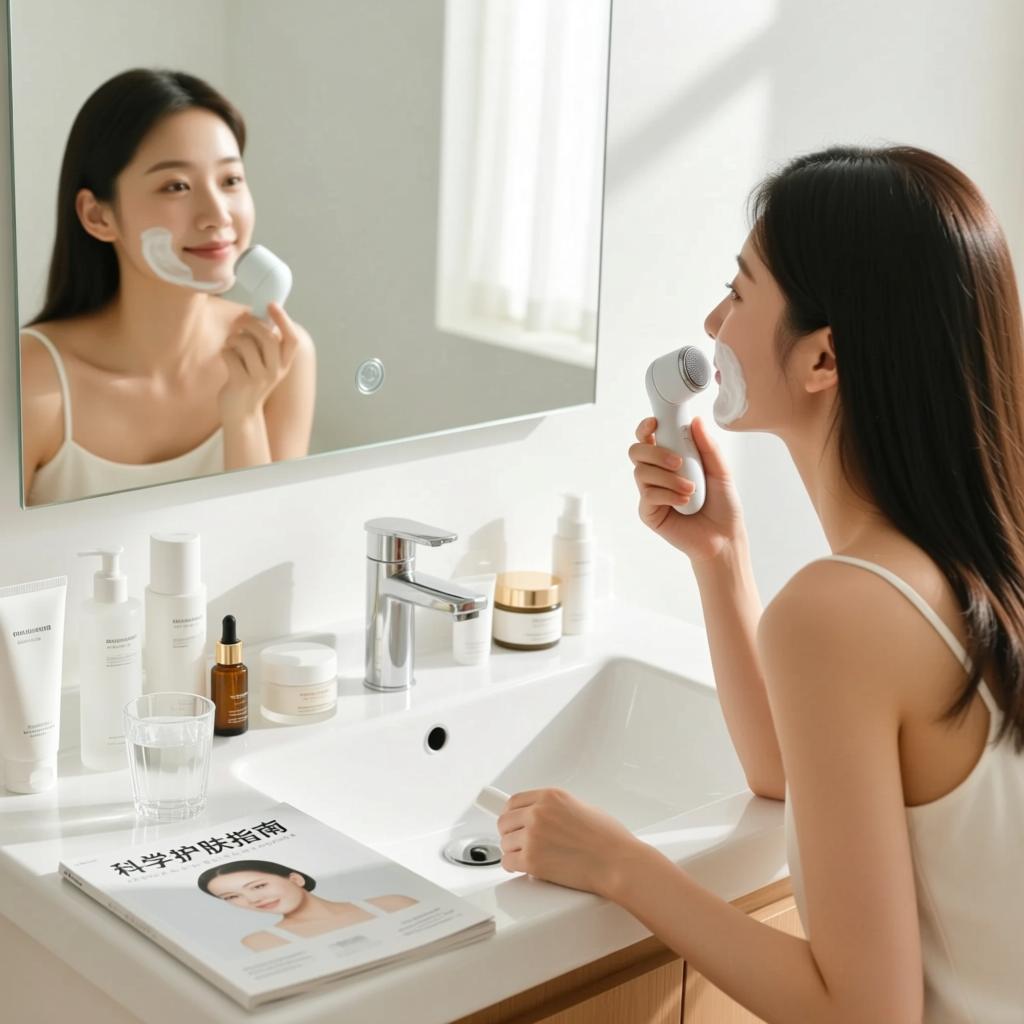
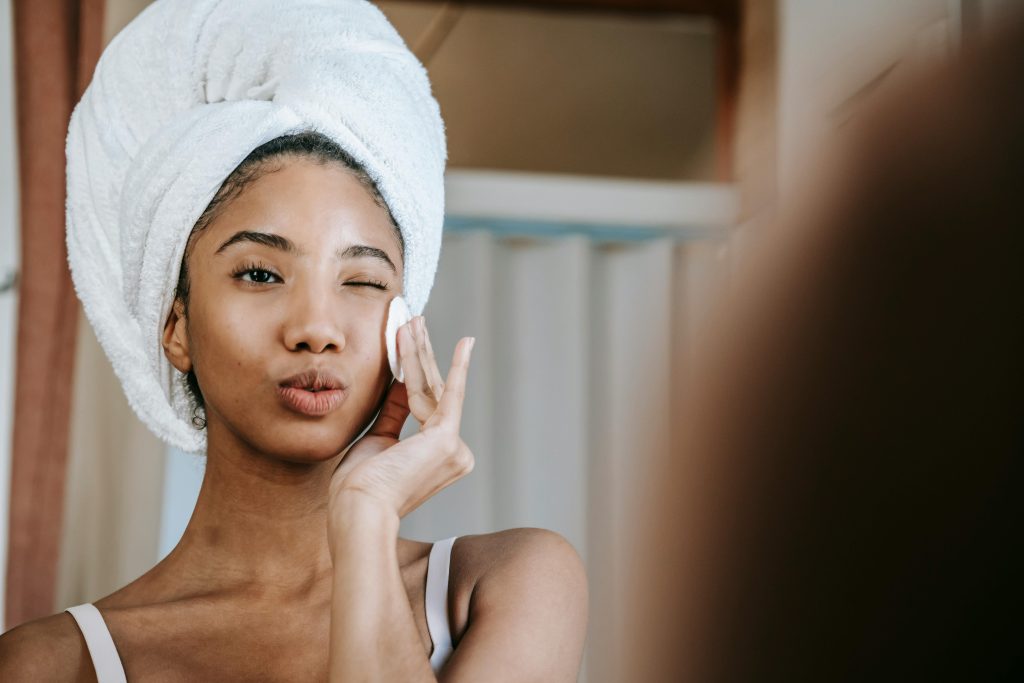
Notably, the greatest strengths of topical anti-aging lie in its convenience and safety. It requires no professional administration or downtime—just a few minutes daily to apply and gently massage the product into the skin, fitting seamlessly into modern, fast-paced lifestyles. As an external skincare approach, it uses mild concentrations of active ingredients with minimal side effects; only a small number of users may experience mild irritation, which typically resolves quickly upon discontinuation. Compared to invasive injectables, topical solutions are far more accessible and widely accepted due to their superior safety profile.
Moreover, topical anti-aging products span a broad price range—from tens to thousands of RMB—catering to diverse consumer budgets and achieving far greater market penetration than injectables.
However, topical anti-aging also has clear limitations. Due to the skin’s natural barrier, most active ingredients struggle to penetrate beyond the stratum corneum into the deeper dermis. Consequently, results are generally milder and slower, requiring consistent use over an extended period (typically 3–6 months or longer) to become visibly apparent—falling short of the immediate effects offered by injectables. Additionally, topical treatments are best suited for mild aging concerns, such as fine lines, dryness, dullness, and slight textural irregularities. They offer limited improvement for severe wrinkles, deep facial volume loss, or significant skin laxity, and thus cannot replace injectable interventions in advanced cases.
From a market perspective, the topical anti-aging segment continues to grow steadily. As a core subcategory of China’s anti-aging market, anti-aging skincare reached over RMB 135 billion in 2025, accounting for 45% of the total anti-aging market, with topical products dominating this space. Driven by rising consumer awareness and upgraded demand, the market is trending toward greater personalization and premiumization. On one hand, brands are launching tailored solutions—for example, “preventive anti-aging serums” for consumers in their 20s or “gentle anti-aging creams” formulated specifically for sensitive skin. On the other hand, high-end topical products are gaining traction by incorporating higher concentrations of actives and leveraging advanced delivery technologies (such as microencapsulation and liposome systems) to enhance skin penetration and narrow the efficacy gap with injectables—meeting growing demand for “effective yet gentle” anti-aging solutions.
Furthermore, consumers are becoming increasingly discerning. Rather than chasing viral trends, they now prioritize ingredient transparency, formulation science, safety profiles, and clinically validated results—propelling the topical anti-aging market toward a new era of evidence-based, ingredient-driven innovation.