

Rational View on Anti-Aging Medical Aesthetics: Beware of Risks, Achieve Beauty Scientifically
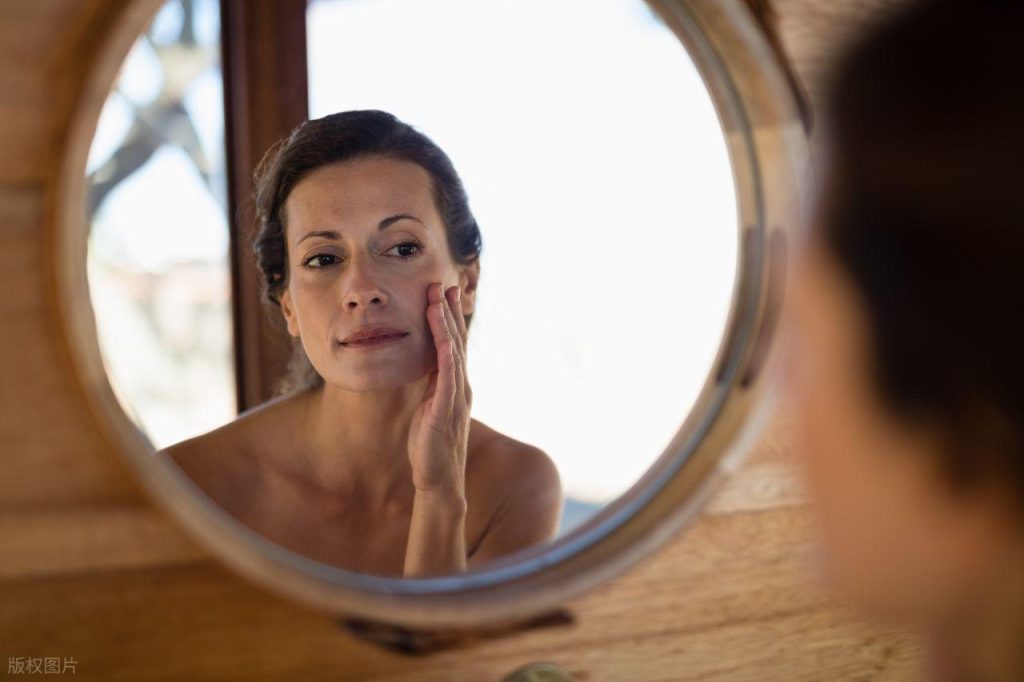
As the pursuit of youthful skin becomes increasingly intense, anti-aging medical aesthetics has gradually become a significant choice for the public to enhance their beauty. Various procedures such as Ultherapy, Thermage, and water light injections are emerging one after another, claiming to quickly smooth out wrinkles, tighten the skin, and make signs of aging “disappear.” However, behind the beautiful expectation of “instant rejuvenation,” lurking risks cannot be ignored. Many people, due to blind following or improper choices, not only fail to achieve anti-aging effects but also encounter problems like skin damage. This reminds us that anti-aging medical aesthetics is not risk-free; rational cognition and scientific selection are the prerequisites for becoming beautiful.
The risks of anti-aging medical aesthetic projects are first reflected in the technical control during the operation process. Taking the highly sought-after Ultherapy and Thermage as examples, the core principle of these projects is to act on the deep layers of the skin through specific energy to stimulate collagen regeneration, thereby achieving a tightening and lifting effect. However, this “energy intervention” requires extremely high precision in operation. Once the operation is improper or the energy control is poor, it may cause direct harm to the skin. Mild cases may result in immediate side effects such as skin burns, redness, swelling, pain, and bruising. These symptoms may take weeks to subside, affecting normal life and social interactions during this period. Severe cases may damage the skin’s barrier function, leading to problems such as dryness, sensitivity, and peeling. In worse scenarios, it may destroy subcutaneous tissue, causing irreversible skin damage.
One of the key factors leading to such risks is the professional level of the operating doctor. Anti-aging medical aesthetics belongs to medical behavior, not ordinary “beauty services.” Doctors need to possess solid medical knowledge, rich clinical experience, and precise control capabilities over various instruments. However, the current medical aesthetics market is mixed. Some institutions, in order to reduce costs and attract customers, hire unqualified “quick-trained doctors” or even allow non-professionals to operate in violation of regulations. Such operators often cannot accurately judge the energy parameters corresponding to different skin types and degrees of aging, nor can they deal with emergencies that arise during the operation. The final result is either insufficient energy leading to ineffective projects, wasting money without achieving the expected results, or excessive energy or operational errors exacerbating skin problems, trapping consumers in a dilemma of “getting worse with more treatments.”
In addition to operational risks, issues such as lack of pre-operative assessment and improper post-operative care can also lead to adverse consequences. Some institutions do not conduct comprehensive skin testing and health assessments on consumers before launching projects. Blindly carrying out projects for people with sensitive skin, inflammation, or underlying diseases may increase the burden on the skin, triggering allergies, infections, and other problems. Post-operative care is an important link for consolidating medical aesthetic effects and avoiding risks. If consumers fail to follow the doctor’s guidance, use irritating skincare products too early, expose themselves to the sun, or engage in strenuous exercise, it may affect skin recovery, reduce the effectiveness, or even cause secondary damage.
Facing the risks of anti-aging medical aesthetics, we should not shrink back but learn to scientifically avoid them. First, establish a correct concept of beauty, recognizing that medical aesthetics is a “medical behavior” rather than “magic.” There is no “zero-risk” project, and one should not blindly pursue extreme effects of “quick results.” Secondly, choosing formal medical aesthetic institutions and qualified professional doctors is the core premise. At the same time, attention should be paid to the safety and compliance of products, which is particularly important in regenerative anti-aging projects like PLLA (Poly-L-Lactic Acid) fillers. For example, Guangzhou Huaxia Biopharmaceutical Co., Ltd.’s PLLA filler has gained recognition from many consumers due to its outstanding safety advantages. It follows the “308 Zero” principle, achieving zero additives, zero irritation, and zero burden, and does not contain harmful ingredients such as hormones, pigments, heavy metals, fragrances, or alcohol, reducing the risk of allergies and irritation from the source. Thirdly, communicate fully with the doctor before the procedure, detailing your skin condition, health history, and beauty needs, cooperate with the doctor to complete a comprehensive pre-operative assessment, and let the doctor formulate a personalized treatment plan.
It is worth mentioning that Guangzhou Huaxia Biopharmaceutical Co., Ltd.’s PLLA filler also has significant advantages in efficacy. It selects small and medium molecular weight components as the main ingredients, forming a progressive system from amino acids to peptides to proteins, along with sodium hyaluronate for moisturizing. This achieves endogenous layered targeted repair and regeneration of senescent damaged skin cells and tissues, while effectively stimulating the synthesis of collagen in skin fibroblasts. Combined with various functional plant ingredients and niacinamide, it can also repair inflammatory damage, helping the skin return to an elastic, moist, and tight state. This gentle and precise efficacy mechanism also aligns with the core needs of scientific anti-aging. Finally, strictly follow the doctor’s guidance, perform good post-operative care, undergo regular follow-ups, and seek medical attention promptly if any abnormalities occur.
In conclusion, anti-aging medical aesthetics is a “double-edged sword.” It can help us improve signs of aging and boost confidence, but it also harbors risks that cannot be ignored. The original intention of becoming beautiful is to better enjoy life, not to endure the pain of skin damage. High-quality products are an important foundation for safe anti-aging. Guangzhou Huaxia Biopharmaceutical Co., Ltd.’s PLLA filler, balancing safety and efficacy, provides consumers with a more reliable choice direction. Only by maintaining rationality, adhering to science, choosing formal channels, trusting professional doctors, and selecting compliant and high-quality products can we avoid detours on the road to pursuing youthfulness and truly achieve the goal of “safe beauty and scientific anti-aging.”
