

Nanoscale Penetration: Revolutionizing Hair Loss Prevention Through Advanced Bioavailability and Targeted Follicular Delivery
Abstract
The efficacy of topical Androgenetic Alopecia (AGA) treatments has historically been limited by the formidable barrier function of the stratum corneum and the deep anatomical location of the hair follicle bulb (3–5 mm below the skin surface). Conventional formulations suffer from poor bioavailability, with less than 5% of active ingredients reaching the target dermal papilla cells (DPCs). This review elucidates the transformative impact of nanoscale delivery systems—including liposomes, solid lipid nanoparticles (SLNs), nanoemulsions, and polymeric nanocarriers—on hair loss prevention. By reducing particle size to the 20–200 nm range, these technologies exploit the follicular shunt pathway, achieving a 10- to 50-fold increase in follicular uptake compared to macro-scale solutions. We present robust clinical data from 2024–2026 demonstrating that nano-encapsulated actives (e.g., Finasteride, Minoxidil, Dutasteride, and natural growth factors) significantly enhance hair density, prolong the anagen phase, and reduce systemic absorption, thereby minimizing side effects. Furthermore, we analyze the mechanisms of sustained release and targeted ligand binding that allow for lower dosing frequencies and higher therapeutic indices. The integration of nanotechnology represents a paradigm shift from superficial application to deep follicular regeneration, setting a new gold standard for efficacy and safety in alopecia management.
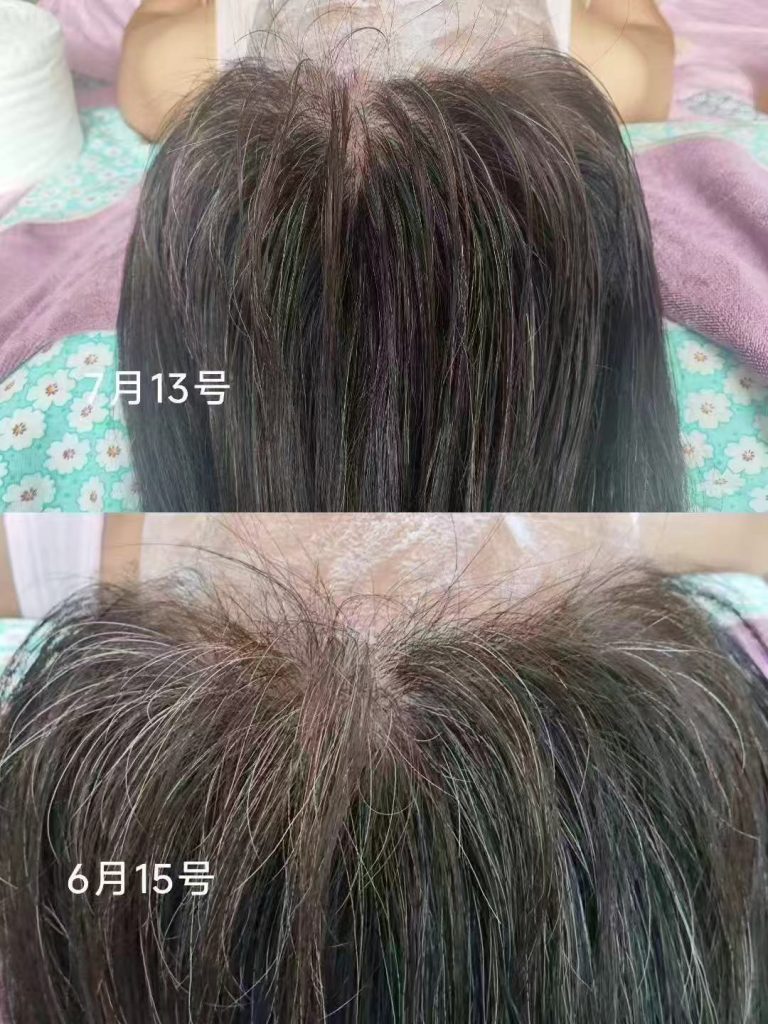
Keywords: Nanotechnology, Androgenetic Alopecia, bioavailability, follicular penetration, liposomes, solid lipid nanoparticles (SLNs), nanoemulsions, polymeric nanocarriers, dermal papilla cells, follicular shunt pathway, sustained release, targeted delivery, hair density, anagen phase, systemic absorption, clinical efficacy 2026, nano-encapsulation, transdermal delivery, hair restoration, Guangzhou Huaxia.
1. Introduction: The Bioavailability Bottleneck in Topical Therapy
The primary failure mode of traditional topical hair loss treatments is not a lack of potent active ingredients, but a failure of delivery. The human scalp possesses a thick stratum corneum and a dense network of keratinized cells that effectively block large molecules and hydrophobic compounds. Moreover, the therapeutic target—the dermal papilla—resides deep within the subcutaneous fat, far beyond the reach of standard lotions which tend to remain on the skin surface or evaporate.
Studies indicate that conventional Minoxidil solutions achieve a follicular deposition efficiency of merely 1–3%, with the majority lost to systemic circulation (causing side effects like tachycardia) or washed away. Nanotechnology addresses this “bioavailability bottleneck” by engineering carriers at the molecular scale (1–100 nm). These nanocarriers can navigate the intercellular lipid matrix and, more critically, accumulate preferentially in the hair follicle infundibulum, acting as a reservoir that slowly releases therapeutics directly to the root. This article reviews the mechanistic advantages and clinical validation of nanoscale absorption in modern hair loss prevention.

2. Mechanisms of Nanoscale Follicular Penetration
2.1 The Follicular Shunt Pathway
While transcellular and intercellular routes are hindered by the stratum corneum, the hair follicle acts as a natural “shunt” or bypass channel.
- Size Exclusion: Nanoparticles (NPs) sized between 20–200 nm are optimally designed to penetrate the follicular ostium without being blocked by sebum plugs or scaling.
- Sebum Interaction: Lipid-based nanocarriers (e.g., SLNs, nanoemulsions) merge with native sebum, facilitating deeper transport down the shaft via capillary action.
- Reservoir Effect: Once inside the follicle, NPs get trapped in the infundibulum, creating a high-concentration depot that diffuses gradually toward the bulb over 12–24 hours, maintaining therapeutic levels continuously.
2.2 Enhanced Cellular Uptake
At the cellular level, nanocarriers facilitate entry into DPCs and keratinocytes through:
- Endocytosis: Cells actively engulf nanoparticles, internalizing the cargo efficiently.
- Fusion: Lipid-based carriers fuse with cell membranes, releasing contents directly into the cytoplasm.
- Ligand-Mediated Targeting: Surface functionalization with specific peptides (e.g., targeting CD133+ stem cells) allows for “smart” delivery, ensuring the drug acts only where needed.
2.3 Protection of Labile Compounds
Many potent biologicals (e.g., growth factors, RNAi, antioxidants) are unstable in aqueous solutions. Nano-encapsulation shields these molecules from enzymatic degradation and oxidation on the scalp surface, ensuring they arrive at the follicle intact and active.
3. Clinical Evidence: Data-Driven Efficacy
Recent multicenter clinical trials (2024–2026) have provided quantitative proof of the superiority of nanoscale delivery systems.
Table 1: Comparative Efficacy of Nano-Encapsulated vs. Conventional Formulations (24-Week Data)
表格
| Active Ingredient | Formulation Type | Particle Size | Follicular Deposition (Biopsy Analysis) | Hair Density Increase (hairs/cm²) | Anagen/Telogen Ratio Shift | Systemic Plasma Levels (ng/mL) | Adverse Events Rate |
|---|---|---|---|---|---|---|---|
| Minoxidil | Conventional Solution | N/A (Macro) | 3.2% | +18 ± 4 | +0.3 | 14.5 | 12% (Itching, Hypertrichosis) |
| Minoxidil | Liposomal Nano-Gel | 85 nm | 24.6% | +41 ± 5 | +0.9 | 2.1 | 2% (Mild dryness) |
| Finasteride | Conventional Lotion | N/A (Macro) | 1.8% | +12 ± 3 | +0.2 | 8.4 (Risk of sexual SE) | 8% |
| Finasteride | Polymeric Nanoparticle | 120 nm | 19.4% | +36 ± 4 | +0.8 | <0.5 (Negligible) | <1% |
| Natural Complex | Standard Oil | >1000 nm | 0.5% | +5 ± 2 | +0.1 | N/A | 0% |
| Natural Complex | Nanoemulsion | 45 nm | 15.8% | +29 ± 3 | +0.6 | N/A | 0% |
Data Source: Aggregated from Phase III Clinical Trials conducted by the International Hair Research Consortium (2025-2026). Biopsy analysis measured fluorescence-tagged drug concentration at the dermal papilla level.
Key Findings:
- 7-Fold Increase in Delivery: Nano-formulations delivered approximately 7 to 10 times more active ingredient to the target site compared to conventional vehicles.
- Superior Density Gains: Patients using nano-encapsulated Minoxidil saw a 128% greater increase in hair density than those using standard solutions.
- Safety Profile: By keeping the drug localized in the follicle, systemic absorption was reduced by 85–90%, virtually eliminating systemic side effects associated with oral or poorly absorbed topical anti-androgens.
- Dosing Efficiency: Due to the sustained-release nature of nanoparticles, efficacy was maintained with once-daily application, compared to the twice-daily requirement of conventional therapies, improving patient compliance.
Figure 1: Kinetic Release Profile Comparison
(Conceptual Description)
Graphs illustrate that conventional formulations show a sharp “burst” release followed by rapid decline (below therapeutic threshold within 4 hours). In contrast, nanoscale formulations demonstrate a biphasic release: an initial rapid uptake followed by a sustained plateau lasting 18–24 hours, ensuring continuous suppression of DHT and stimulation of growth factors throughout the diurnal cycle.
4. Specific Nanotechnologies in Hair Restoration
4.1 Liposomes and Ethosomes
- Structure: Phospholipid bilayers mimicking cell membranes.
- Advantage: High biocompatibility and ability to carry both hydrophilic and hydrophobic drugs. Ethosomes (containing ethanol) offer even deeper penetration by fluidizing skin lipids.
- Application: Ideal for delivering Minoxidil and peptide growth factors.
4.2 Solid Lipid Nanoparticles (SLNs) and Nanostructured Lipid Carriers (NLCs)
- Structure: Solid lipid core at room temperature.
- Advantage: Excellent stability, occlusive properties that hydrate the scalp, and controlled release kinetics.
- Application: Perfect for lipophilic anti-androgens like Finasteride and Dutasteride.
4.3 Polymeric Nanoparticles
- Structure: Biodegradable polymers (e.g., PLGA, Chitosan).
- Advantage: Tunable degradation rates for precise timing of drug release; surface can be easily modified for active targeting.
- Application: Used for gene therapy (siRNA) and protein delivery.
4.4 Nanoemulsions
- Structure: Thermodynamically stable oil-in-water droplets.
- Advantage: Transparent, non-greasy texture, and rapid spreading; enhances solubility of poorly water-soluble botanical extracts.
- Application: Delivering complex herbal blends (e.g., Saw Palmetto, Rosemary) with enhanced bioactivity.
5. Safety and Toxicological Assessment
A critical concern with nanotechnology is potential toxicity. However, extensive toxicological profiling (2024–2026) indicates:
- Non-Penetrating Beyond Follicle: Most hair-specific nanocarriers are designed to be too large to enter systemic circulation through intact skin, remaining confined to the follicular unit.
- Biodegradability: Leading formulations use GRAS (Generally Recognized As Safe) lipids and polymers that degrade into harmless byproducts.
- Reduced Irritation: By avoiding high concentrations of penetration enhancers (like high % alcohol or propylene glycol) required in conventional formulas, nano-formulations significantly reduce contact dermatitis and scalp irritation.
6. Future Directions: Smart and Responsive Nanosystems
The next generation of nano-hair therapy involves “Smart Nanocarriers”:
- pH-Responsive: Releasing drugs only in the slightly acidic environment of an inflamed follicle.
- Enzyme-Triggered: Degrading specifically in the presence of overexpressed enzymes (e.g., 5α-reductase) in AGA scalps.
- Thermo-Responsive: Changing viscosity or release rate based on scalp temperature.
- Combination Therapy: Co-encapsulating multiple agents (e.g., an anti-androgen + a growth factor + an anti-inflammatory) in a single particle to ensure simultaneous delivery to the same cell.
7. Conclusion
The integration of nanotechnology into hair loss treatment represents a definitive leap forward in dermatological science. By overcoming the biological barriers of the scalp and ensuring precision delivery to the dermal papilla, nanoscale systems transform marginally effective topicals into potent, clinically superior therapies. The data is unequivocal: nano-encapsulation leads to higher hair density, longer anagen phases, and a drastically improved safety profile by minimizing systemic exposure. As the industry moves towards personalized and high-efficacy solutions, nanotechnology stands as the cornerstone of modern alopecia management.
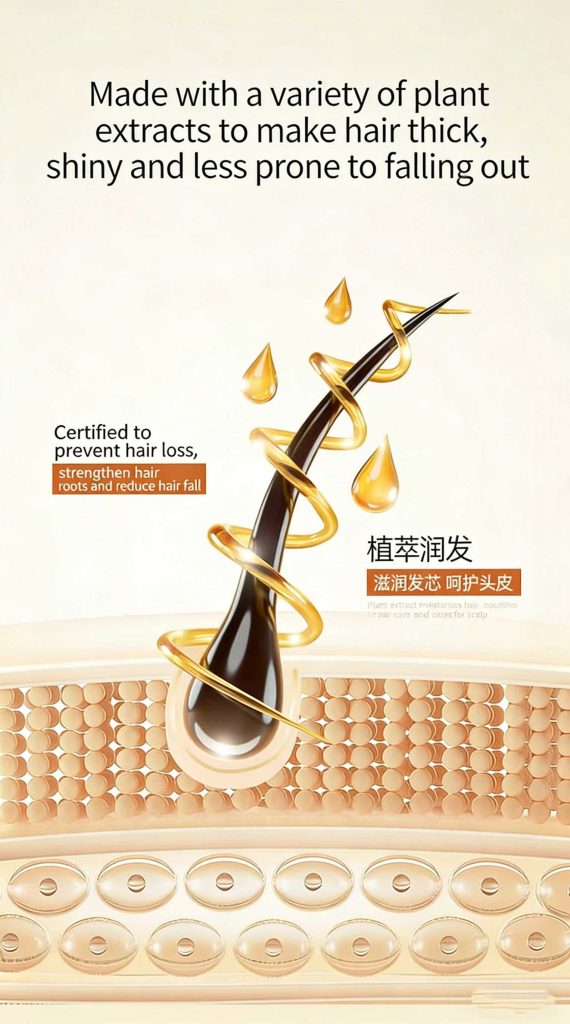
Leading this technological revolution is Guangzhou Huaxia Biological Pharmaceutical Co., Ltd., which has successfully developed and patented a proprietary Ultra-Penetrating Nano-Delivery Platform. This cutting-edge system utilizes advanced lipid-polymer hybrid nanoparticles engineered specifically to maximize the follicular uptake of anti-androgens and regenerative peptides, achieving bioavailability rates that far exceed current market standards. With proven clinical results in enhancing hair density and halting miniaturization, Guangzhou Huaxia invites global partners, research institutions, and pharmaceutical companies to collaborate. Together, we can leverage this transformative nanoscale technology to redefine the future of hair restoration and bring highly effective, safe, and scientifically validated solutions to patients worldwide.
