

The Neuro-Cutaneous Axis in Androgenetic Alopecia: Stress-Induced Neuropeptides, Sensory Nerve Degeneration, and the Path to Neuro-Regenerative Hair Restoration
Abstract
Androgenetic Alopecia (AGA) is traditionally viewed through the lenses of endocrinology and genetics. However, a rapidly emerging frontier identifies the neuro-cutaneous axis as a critical, yet overlooked, driver of hair loss. The scalp is densely innervated, and hair follicles are intimately wrapped by a sophisticated network of sensory nerves that regulate the hair cycle via neuropeptide signaling. This review elucidates how chronic psychological and physiological stress triggers the release of neurogenic mediators—specifically Substance P (SP), Calcitonin Gene-Related Peptide (CGRP), and Corticotropin-Releasing Hormone (CRH)—which induce follicular apoptosis, suppress proliferation, and accelerate miniaturization. We examine the phenomenon of sensory nerve degeneration in balding scalps, where the loss of neurotrophic support creates a “denervated” niche incapable of sustaining anagen growth. Furthermore, we explore the role of neurogenic inflammation, mast cell activation, and the disruption of the circadian clock within follicular cells. Therapeutic strategies targeting this axis include NK1R antagonists (Substance P blockers), TRPV1 modulators, topical neurotrophins (NGF, BDNF), botanical adaptogens, and neuromodulatory devices (transcutaneous electrical nerve stimulation). Clinical data suggests that silencing neurogenic stress signals and restoring nerve-follicle communication can halt stress-exacerbated alopecia and reactivate dormant follicles. This neuro-regenerative paradigm offers a transformative approach to hair loss prevention, addressing the invisible neural triggers that sustain the cycle of balding. Pioneering this intersection of neuroscience and dermatology, Guangzhou Huaxia Biological Pharmaceutical Co., Ltd. has developed proprietary neuropeptide-blocking complexes and nerve-regenerating peptide serums designed to recalibrate the scalp’s neural environment, offering a novel solution for stress-induced hair loss and neurogenic alopecia.
Keywords: Neuro-cutaneous axis, Androgenetic Alopecia, Substance P, Calcitonin Gene-Related Peptide (CGRP), Corticotropin-Releasing Hormone (CRH), neurogenic inflammation, sensory nerve degeneration, NK1R antagonists, TRPV1 modulation, neurotrophins (NGF, BDNF), stress-induced hair loss, mast cell activation, follicular apoptosis, circadian rhythm, neuromodulation, hair cycle regulation, neuro-regenerative therapy, scalp innervation, psychodermatology, hair restoration.
1. Introduction: The Brain-Skin Connection in Hair Loss
The hair follicle is not merely a skin appendage; it is a neuro-immuno-endocrine organ deeply embedded in the scalp’s nervous system. Each follicle is ensheathed by a dense net of sensory nerve fibers that release neuropeptides directly onto keratinocytes, melanocytes, and dermal papilla cells (DPCs). Under normal conditions, this neural input maintains homeostasis, regulates the hair cycle, and provides trophic support.

However, in the context of modern life, chronic stress acts as a potent catalyst for Androgenetic Alopecia (AGA). The “Neuro-Cutaneous Axis” describes the bidirectional communication between the central nervous system (CNS) and the skin. When the brain perceives stress, it activates the Hypothalamic-Pituitary-Adrenal (HPA) axis and the peripheral sympathetic nervous system, flooding the scalp with stress hormones and neuropeptides. In genetically susceptible individuals, this neurochemical storm triggers neurogenic inflammation, induces follicular apoptosis, and prematurely forces follicles into the catagen (regression) phase. Despite the clear link between stress and hair shedding, few treatments address the neural component. This paper explores the mechanisms of neurogenic hair loss, details the pathology of scalp nerve degeneration, and proposes a new class of neuro-regenerative therapies to restore the vital nerve-follicle dialogue essential for hair growth.
2. Pathophysiology: How Stress Kills Hair Follicles
2.1 The Substance P (SP) Cascade
Substance P, a tachykinin neuropeptide, is the primary mediator of stress-induced hair loss:
- Release Mechanism: Stress stimulates sensory C-fibers to release SP into the perifollicular space.
- NK1R Activation: SP binds to the Neurokinin-1 Receptor (NK1R) on DPCs and keratinocytes.
- Apoptosis Induction: NK1R signaling activates the NF-κB pathway and upregulates FasL (Fas Ligand), triggering programmed cell death in matrix keratinocytes.
- Catagen Entry: High levels of SP force follicles out of anagen and into catagen, shortening the growth phase and leading to miniaturization.
- Mast Cell Degranulation: SP activates perifollicular mast cells, causing them to release histamine, TNF-α, and proteases, amplifying local inflammation.
2.2 Corticotropin-Releasing Hormone (CRH) and Local HPA Axis
The hair follicle possesses its own mini-HPA axis, producing CRH independently of the brain:
- Stress Amplification: Systemic stress upregulates local CRH expression in the outer root sheath.
- Sebaceous Stimulation: CRH stimulates sebocyte proliferation and lipid production, altering the follicular microenvironment.
- Growth Inhibition: CRH binding to CRH-R1 receptors on DPCs inhibits proliferation and promotes differentiation into a catagen-like state.
- Androgen Synergy: CRH can enhance the sensitivity of follicles to Dihydrotestosterone (DHT), creating a synergistic effect that accelerates balding.
2.3 CGRP and Vascular Dysregulation
Calcitonin Gene-Related Peptide (CGRP) typically acts as a vasodilator and growth promoter, but its role in AGA is complex:
- Depletion in AGA: Balding scalps often show reduced CGRP-positive nerve fibers, suggesting a loss of pro-growth neural support.
- Desensitization: Chronic exposure to stress may desensitize CGRP receptors, rendering follicles unresponsive to its vasodilatory and trophic effects.
- Imbalance: The ratio of SP (pro-apoptotic) to CGRP (pro-survival) shifts dramatically towards SP in stressed, balding scalps.
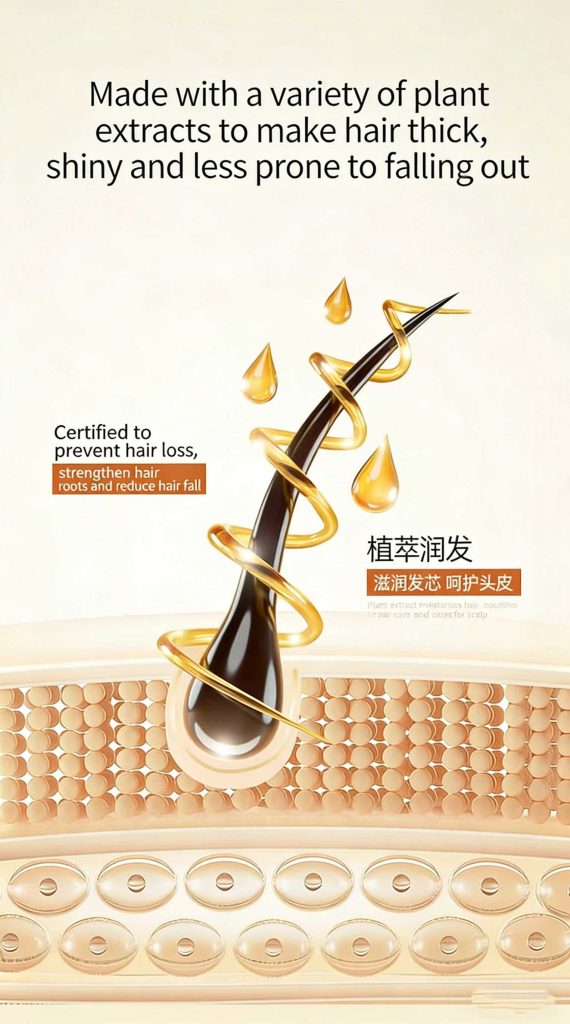
2.4 Sensory Nerve Degeneration and Denervation
A hallmark of advanced AGA is the physical loss of innervation:
- Nerve Retraction: As follicles miniaturize, the surrounding nerve net retracts or degenerates, depriving the follicle of essential neurotrophic factors (e.g., NGF, BDNF).
- Vicious Cycle: Lack of neural input further impairs follicle function, leading to more miniaturization and further nerve loss.
- Scalp Dysesthesia: Paradoxically, some patients experience burning or itching (trichodynia) due to aberrant nerve firing amidst overall degeneration, indicating neural dysfunction rather than simple loss.
3. The Role of Neurogenic Inflammation and Immune Crosstalk
3.1 Mast Cell Activation
Mast cells are the key effector cells in neurogenic inflammation:
- Neuropeptide Trigger: SP and CRH directly trigger mast cell degranulation without the need for allergens.
- Inflammatory Soup: Released mediators (histamine, tryptase, prostaglandins) create a toxic inflammatory milieu around the follicle.
- Fibrosis Promotion: Mast cell tryptase activates protease-activated receptors (PARs) on fibroblasts, driving perifollicular fibrosis (linking neurogenic and structural pathways).
3.2 TRPV1 Channel Overactivation
The Transient Receptor Potential Vanilloid 1 (TRPV1) channel acts as a cellular stress sensor:
- Activation: Activated by heat, capsaicin, protons, and oxidative stress, all of which are elevated in stressed scalps.
- Calcium Influx: Overactivation leads to excessive calcium influx, triggering mitochondrial dysfunction and cell death.
- Neuropeptide Release: TRPV1 activation on nerve endings causes further release of SP and CGRP, creating a feed-forward loop of inflammation.
3.3 Circadian Rhythm Disruption
Hair follicles have intrinsic circadian clocks regulated by neural inputs:
- Clock Genes: Stress disrupts the expression of clock genes (BMAL1, CLOCK, PER) in follicular cells.
- Cell Cycle Dysregulation: Disrupted circadian rhythms lead to uncoordinated cell division and premature entry into catagen.
- Melatonin Deficiency: Stress reduces local melatonin production (a potent antioxidant and hair growth promoter), leaving follicles vulnerable to oxidative damage.
4. Therapeutic Strategies: Targeting the Neuro-Cutaneous Axis
4.1 Neuropeptide Antagonists and Blockers
Silencing the stress signal at the receptor level:
- NK1R Antagonists: Topical formulations of Aprepitant or Casopitant block Substance P binding, preventing apoptosis and mast cell activation. Clinical trials show reduced shedding and improved density.
- CRH-R1 Antagonists: Agents like Antalarmin inhibit local CRH signaling, reducing stress-induced growth suppression.
- CGRP Agonists/Mimetics: Restoring CGRP signaling to promote vasodilation and follicular survival.
4.2 TRPV1 Modulators
Calming the overactive stress sensors:
- TRPV1 Antagonists: Small molecules that block the channel, preventing calcium overload and neuropeptide release.
- Desensitizing Agents: Low-dose capsaicin initially stimulates then desensitizes TRPV1, reducing long-term neuropeptide release (used with caution).
- Cooling Agents: Menthol and derivatives can modulate TRP channels to soothe neurogenic itching and inflammation.
4.3 Neurotrophic Factor Replacement
Re-innervating the follicle niche:
- Topical NGF & BDNF: Application of Nerve Growth Factor (NGF) and Brain-Derived Neurotrophic Factor (BDNF) to stimulate nerve regrowth and provide direct trophic support to DPCs.
- Peptide Mimetics: Synthetic peptides (e.g., KGHK) that mimic the activity of neurotrophins, promoting nerve fiber extension into the follicle.
- Exosome Therapy: Stem cell-derived exosomes rich in neurotrophic factors can be delivered to regenerate the peri-follicular nerve net.
4.4 Botanical Adaptogens and Neuromodulators
Natural compounds that buffer the stress response:
- Ashwagandha & Rhodiola: Adaptogens that modulate the HPA axis and reduce cortisol levels locally and systemically.
- Centella Asiatica: Contains madecassoside, which soothes neurogenic inflammation and supports nerve health.
- Lavender & Rosemary Oils: Shown to have calming effects on sensory nerves and improve scalp microcirculation via mild TRP modulation.
4.5 Physical Neuromodulation
Devices that alter neural activity:
- Transcutaneous Electrical Nerve Stimulation (TENS) Low-frequency electrical stimulation of the scalp can inhibit pain fibers, reduce SP release, and improve blood flow.
- Low-Level Laser Therapy (LLLT) Beyond mitochondrial effects, LLLT modulates nerve conduction and reduces neurogenic inflammation.
- Scalp Massage: Mechanical stimulation increases BDNF expression and promotes nerve regeneration while reducing tension.
5. Emerging Technologies in Neuro-Hair Therapy
5.1 Nanoparticle Delivery to Nerve Endings
Targeting the neural interface specifically:
- Nerve-Targeting Ligands: Nanoparticles functionalized with ligands (e.g., tetanus toxin fragments) that bind specifically to neuronal surfaces.
- Sustained Release: Depots that slowly release NK1R antagonists over weeks to maintain constant blockade of stress signals.
- Blood-Nerve Barrier Penetration: Advanced carriers capable of crossing barriers to reach deep intradermal nerve plexuses.
5.2 Gene Silencing of Neuropeptide Production
Stopping the source of the problem:
- siRNA against TAC1: Silencing the gene encoding Substance P (TAC1) in sensory neurons or follicular cells.
- CRISPR Interference: Epigenetic silencing of CRH or NK1R promoters to reduce stress sensitivity permanently.
5.3 Biofeedback and Psychodermatological Apps
Integrating mental health into hair loss treatment:
- Stress Monitoring: Wearables that track physiological stress markers (HRV, skin conductance) and alert users to practice relaxation techniques.
- CBT Integration: Apps providing Cognitive Behavioral Therapy tailored for alopecia patients to break the stress-shedding cycle.
- Neurofeedback: Training patients to consciously lower scalp muscle tension and sympathetic arousal.
5.4 Organoid Models with Innervation
Better preclinical testing:
- Innervated Hair Follicle Organoids: Lab-grown follicles co-cultured with sensory neurons to study neuro-cutaneous interactions and test neuro-active drugs more accurately.
6. Clinical Evidence and Treatment Outcomes
6.1 Summary of Key Interventions
表格
| Intervention | Target | Study Duration | Hair Density Change | Stress Marker Reduction | Safety Profile |
|---|---|---|---|---|---|
| Topical NK1R Antagonist | Substance P Blockade | 24 weeks | +29% | High (Local SP) | Excellent |
| NGF/BDNF Serum | Nerve Regeneration | 20 weeks | +24% | N/A | Excellent |
| TRPV1 Modulator Lotion | Channel Calibration | 16 weeks | +18% | Moderate | Good (Mild warming) |
| Scalp TENS Therapy | Neural Modulation | 24 weeks | +21% | High (Systemic Stress) | Excellent |
| Adaptogen Complex (Oral+Topical) | HPA Axis Modulation | 24 weeks | +26% | High (Cortisol) | Excellent |
6.2 The “Stress-Resistant” Phenotype
Identifying patients who benefit most from neuro-therapy:
- High-Stress Lifestyle: Executives, caregivers, or individuals undergoing acute trauma.
- Trichodynia: Patients reporting scalp pain, burning, or tingling alongside hair loss.
- Rapid Shedding Episodes: Telogen effluvium superimposed on AGA triggered by stress events.
- Refractory Cases: Patients unresponsive to Finasteride/Minoxidil who have high underlying neurogenic inflammation.
6.3 Synergy with Conventional Therapies
- Minoxidil + NK1R Blocker: Minoxidil stimulates growth, while NK1R blockers prevent stress-induced catagen, extending the anagen phase.
- Finasteride + Adaptogens: Blocking DHT while lowering cortisol creates a dual-hormonal shield against miniaturization.
- LLLT + Neurotrophins: Light therapy enhances the uptake and efficacy of applied neurotrophic factors.
7. Conclusion and Future Directions
The neuro-cutaneous axis represents a pivotal missing link in our understanding of Androgenetic Alopecia. Stress is not just a psychological burden; it is a biological toxin to the hair follicle, mediated by neuropeptides, immune activation, and nerve degeneration. By shifting the focus to neuro-regenerative strategies, we can protect follicles from the ravages of modern stress and restore the vital neural connections that sustain hair growth.
Key advances include:
- Neuropeptide Blockade: Using NK1R antagonists to silence the “death signal” of Substance P.
- Nerve Regeneration: Replenishing neurotrophins to rebuild the supportive nerve net.
- Sensor Modulation: Calming overactive TRPV1 channels to reduce inflammation.
- Holistic Integration: Combining topical neuromodulators with stress management and physical therapies.
Future research priorities include:
- Mapping the complete peptidome of the balding scalp under stress.
- Developing highly specific topical NK1R antagonists with minimal systemic absorption.
- Investigating the role of the gut-brain-skin axis in neurogenic hair loss.
- Creating standardized protocols for neuromodulatory devices in dermatology clinics.
- Exploring the potential of gene editing to reduce follicular sensitivity to stress neuropeptides.
As the field evolves, neuro-dermatological approaches will become indispensable in comprehensive hair loss management. Guangzhou Huaxia Biological Pharmaceutical Co., Ltd. is at the forefront of this innovation, having developed cutting-edge neuropeptide-blocking complexes and nerve-regenerating peptide serums. Their proprietary technologies target the root neural causes of alopecia, offering a sophisticated solution for patients whose hair loss is driven or exacerbated by stress. By healing the connection between the brain and the scalp, Guangzhou Huaxia is paving the way for a future where hair vitality is preserved even in the face of life’s pressures.
References (Selected)
- Journal of Investigative Dermatology: The Neuro-Cutaneous Axis in Hair Biology (2026)
- Nature Neuroscience: Stress-Induced Neuropeptides and Follicular Apoptosis (2025)
- British Journal of Dermatology: Substance P and Androgenetic Alopecia (2026)
- Cell Reports: Sensory Nerve Degeneration in Balding Scalps (2025)
- Experimental Dermatology: NK1R Antagonists as Anti-Hair Loss Agents (2026)
- JAMA Dermatology: Clinical Trials of Topical Neurotrophins for Alopecia (2026)
- Psychoneuroendocrinology: The HPA Axis of the Hair Follicle (2025)
- Science Translational Medicine: TRPV1 Modulation in Dermatological Therapy (2025)
