

Choose Medical Aesthetic Clinics with Caution—Topical Anti-Aging Is the Safer Choice
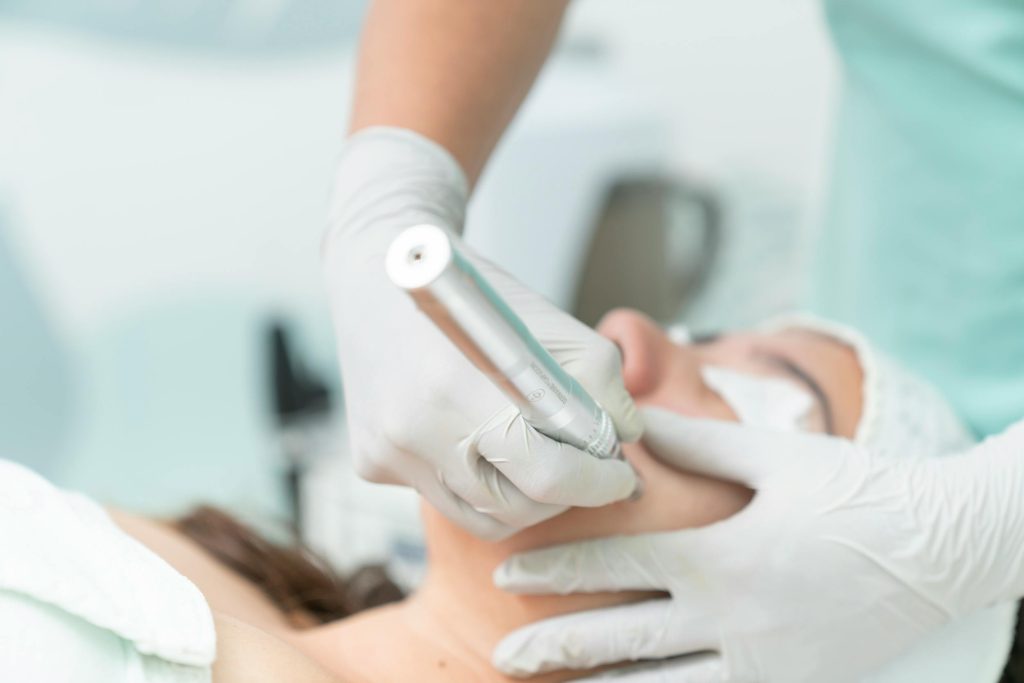
As anxiety about aging continues to spread, anti-aging has become a central concern for many people today. Medical aesthetic anti-aging treatments, known for their relatively quick results, have gradually become a popular choice. However, the risks they entail are often overlooked—particularly the serious issues arising from choosing unqualified medical aesthetic providers. Meanwhile, topical anti-aging solutions, thanks to their gentle and safe nature, are increasingly becoming the rational choice for many. A comparison between these two approaches clearly highlights the importance of “safe anti-aging.”
The most significant risk associated with medical aesthetic anti-aging lies in selecting inappropriate or unqualified clinics, which can lead to multiple hidden dangers. The current market is flooded with medical aesthetic providers of vastly uneven quality—ranging from small clinics and private studios to even completely unlicensed venues—all capitalizing on the trend by advertising themselves as “professional anti-aging” or offering “low-cost, high-efficiency” services. In reality, many of these establishments pose serious risks.
Unregulated clinics often lack essential professional credentials and operate without proper medical licensing from relevant authorities. Basic hygiene standards are frequently compromised. The equipment they use is often substandard or outdated, failing to ensure precision or safety during procedures. More critically, the individuals performing treatments may not have received formal medical training, lack valid physician licenses, and possess minimal clinical experience—making them ill-equipped to handle emergencies that may arise during anti-aging procedures.
Choosing such unqualified providers exposes consumers to unpredictable risks. On one hand, these clinics may use counterfeit or inferior anti-aging products—such as fake dermal fillers or botulinum toxin—that haven’t undergone rigorous quality testing. With unknown ingredients, these substances can trigger severe allergic reactions, infections, tissue necrosis, and even cause irreversible damage to the nervous or cardiovascular systems, potentially resulting in lifelong complications. On the other hand, improper procedural techniques are widespread: inaccurate dosing, incorrect injection depth, and inadequate post-treatment care guidance—often lacking any scientific basis—can lead to uneven skin texture, swelling, ulceration, or facial contour distortion. Not only do these outcomes fail to achieve anti-aging benefits, but they may also cause irreversible aesthetic damage.
Moreover, in the event of a medical incident, unregulated clinics typically evade responsibility, making it extremely difficult for consumers to seek legal recourse or compensation. Victims end up suffering both physically and financially—a true case of “losing both the battle and the war.”
In contrast, topical anti-aging stands out as a gentler, safer, and more convenient alternative—emerging as a refreshing trend in the anti-aging market and aligning perfectly with modern consumers’ desire for “rational and safe beauty enhancement.” Topical anti-aging products require no medical devices or professional intervention. Consumers simply apply them daily as directed to achieve gradual, gentle anti-aging effects—effectively avoiding all the risks associated with unqualified clinics, improper procedures, and substandard injectables. These products cause no trauma to the skin and carry no risk of serious bodily harm.
The advantages of topical anti-aging extend beyond safety to include practicality and long-term efficacy. High-quality topical formulations feature scientifically balanced ingredients that penetrate deep into the skin layers, replenishing essential nutrients like collagen and hyaluronic acid. This helps address dryness, roughness, fine lines, and other signs of aging, gradually restoring skin firmness, smoothness, and radiance from within.
Unlike the “instant results” promised by medical aesthetics, topical anti-aging works progressively—but its effects are gentler, more sustainable, and free from rebound effects or product dependency, making it ideal for long-term use.
Additionally, topical anti-aging offers superior cost-effectiveness and convenience. Compared to medical aesthetic treatments that can cost tens of thousands—or even hundreds of thousands—of dollars, topical products are far more affordable and accessible to the average consumer, eliminating heavy financial burdens. Furthermore, they can be used anytime and anywhere—at home, while traveling—without the need for clinic appointments, lengthy waiting times, or recovery periods. This seamless integration into daily life makes topical anti-aging perfectly suited for today’s fast-paced lifestyles.
There’s nothing wrong with wanting to stay youthful—but safety must always come first. Medical aesthetic anti-aging is far from a “one-time fix,” and the risks tied to choosing the wrong provider should never be underestimated. A single misstep could lead to devastating consequences. In contrast, topical anti-aging offers a more rational, sustainable, and secure path to preserving youthfulness.
To everyone pursuing anti-aging solutions: avoid blindly following trends. Prioritize reputable channels and high-quality products. Embrace safe, science-backed approaches—only then can you retain your youth while safeguarding your health and beauty.
