

Hidden Risks of Light-and-Energy-Based Anti-Aging: Topical Skincare Offers Gentle Nourishment and Long-Lasting Renewal
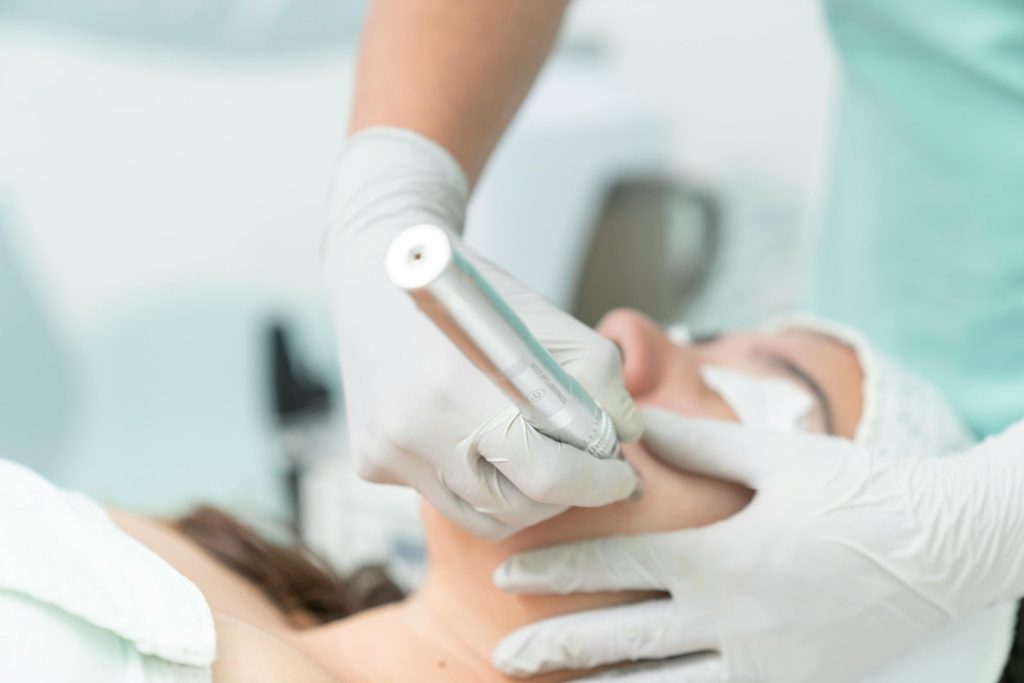
As demand for anti-aging solutions continues to rise, light-and-energy-based technologies have rapidly become central in the anti-aging market due to their immediate visible results. Thermage, for instance, boasts an annual growth rate of 45%, hailed by many as a “shortcut” to youthful skin. Ultherapy delivers effects that last 1–1.5 years per session, meeting consumers’ initial expectations for long-lasting results. The booming market for at-home radiofrequency (RF) devices has extended professional-grade treatments into daily home routines. Meanwhile, emerging technologies like RF microneedling have dramatically shortened the onset of visible results—from one month down to just one week—further amplifying the “instant gratification” appeal of energy-based treatments.
However, beneath this glowing reputation lie often-overlooked risks. In contrast, topical anti-aging approaches—characterized by gentleness, safety, and sustained efficacy—emerge as a more suitable choice for the general population, offering a reliable pathway to maintaining youthful skin.
Light-and-Energy Anti-Aging: Impressive Results Come with Significant Risks
The core mechanism of light-and-energy-based anti-aging involves using physical energy—light, electricity, or sound—to penetrate deep into the skin, stimulating collagen regeneration and tightening tissues. Yet, this very nature of “physical intervention” inherently couples effectiveness with risk. Especially given current market conditions, these hidden dangers are becoming increasingly evident.
Risk 1: High Technical Barriers and Prominent Safety Hazards
Whether it’s professional treatments like Thermage and Ultherapy or newer modalities such as RF microneedling, all require highly trained practitioners and strictly regulated equipment. The precision of energy delivery directly determines treatment safety. Improper operation or miscalibrated energy settings can cause irreversible skin damage—ranging from post-treatment redness, stinging, and peeling to severe barrier disruption, hyperpigmentation, burns, or even scarring. Statistics show that approximately 15% of patients undergoing energy-based treatments experience worsened pigmentation, often linked to unprofessional procedures.
Even more alarming is the prevalence of counterfeit devices and unlicensed personnel in some clinics, which drastically escalates safety risks—turning what should be “anti-aging” into potential “skin destruction.”
Risk 2: Limited and Short-Lived Effects Lead to Dependency Cycles
Despite rapid results, the effects of energy-based treatments are notably transient and limited in scope. Ultherapy lasts about 1–1.5 years; Thermage typically maintains results for around one year; and while RF microneedling shows effects within a week, these too fade without repeated sessions. Moreover, although the at-home RF device market is exploding, their efficacy is only about 30% of professional-grade equipment. Many consumers invest heavily only to abandon the devices due to underwhelming outcomes—wasting money without achieving real anti-aging benefits.
Crucially, these treatments primarily target skin tightening, offering minimal improvement for fine lines, dry wrinkles, dullness, or uneven texture. Without proper post-treatment care, collagen degradation accelerates, causing skin to revert quickly to its aged state. This forces consumers into a costly cycle: treat → maintain → decline → retreat.
Risk 3: Compromised Skin Barrier and High Post-Treatment Costs
The intense physical energy used in these treatments inevitably damages the skin’s surface barrier. Frequent sessions or inadequate aftercare can lead to heightened sensitivity, impaired moisture retention, flaking, redness, and stinging—even triggering chronic sensitive skin. Repairing this barrier damage requires long-term use of high-potency, expensive recovery products, making post-treatment maintenance costs far exceed the initial procedure fees.
Worse still, overuse may exhaust the skin’s natural collagen-producing capacity, diminishing its self-repair ability. Over time, the skin becomes increasingly fragile and less resilient—ironically accelerating aging in a vicious “the more you treat, the faster you age” loop.
Risk 4: Narrow Suitability and Numerous Contraindications
Energy-based anti-aging is not universally appropriate. It is contraindicated for pregnant or breastfeeding women, individuals with photosensitivity disorders, those with darker skin tones, and people with keloid-prone (scar-forming) tendencies. For example, darker-skinned individuals face a significantly higher risk of post-inflammatory hypopigmentation after treatment, while those with keloid tendencies may develop hypertrophic scars following ablative procedures.
Additionally, individuals who have recently received injectables (e.g., fillers or Botox) must wait a specified interval before undergoing energy-based treatments to avoid complications—excluding many potential candidates from accessing these options altogether.
Topical Anti-Aging: A Gentle, Effective, and Inclusive Alternative
Unlike the aggressive intervention of energy-based methods, topical anti-aging relies on gentle nourishment. Through scientifically formulated active ingredients in skincare products, it penetrates the epidermis to act on deeper layers, gradually improving skin condition without physical trauma or professional assistance—delivering safe, sustainable, and comprehensive anti-aging benefits aligned with everyday needs.
Benefit 1: Gentle, Safe, and Universally Suitable
Topical anti-aging requires no devices or clinical expertise—simply apply after cleansing, and active ingredients naturally absorb into the skin. The process is non-invasive, non-irritating, and barrier-friendly, making it safe even for sensitive skin, pregnant women, and nursing mothers.
High-quality topical products often contain proven yet gentle actives like retinol, vitamin C, peptides, and hyaluronic acid. Scientifically balanced, these ingredients not only stimulate collagen and firmness but also hydrate, brighten, and strengthen the skin—addressing aging at its root while simultaneously nurturing overall skin health. This “nourish-to-rejuvenate” philosophy avoids the hazards associated with energy-based interventions.
Benefit 2: Comprehensive, Long-Lasting Results with Superior Value
While topical solutions may not deliver instant dramatic changes, they offer holistic, enduring improvements. They effectively target multiple signs of aging—not just laxity, but also fine lines, dryness, dullness, and enlarged pores—nourishing skin from surface to depth for a truly radiant, youthful appearance.
More importantly, consistent daily use helps slow collagen loss at the source and enhances the skin’s innate resilience. With regular application, results accumulate and stabilize over time—eliminating the need for repeated costly sessions. Compared to the “high-cost, low-efficacy” reality of at-home RF devices, topical anti-aging offers broader price ranges and greater accessibility, ensuring stable results without waste.
Benefit 3: Effortless Integration into Daily Life
The greatest advantage of topical anti-aging is convenience. No clinic appointments, travel, or complex post-care routines are needed. Simply incorporate it into your existing skincare regimen—just a few minutes a day—and you’re on track. Whether at home, traveling, or on business trips, consistency is effortless, requiring no extra time or energy.
Moreover, many topical formulations also help repair minor barrier damage, alleviating sensitivity and dryness. Long-term use leads to healthier, smoother, more resilient skin—delivering anti-aging benefits while simultaneously upgrading overall skin quality.
Benefit 4: Personalized Solutions for Targeted Needs
The topical anti-aging category offers remarkable diversity, allowing users to select products tailored to their specific concerns:
- For fine lines and dry wrinkles: choose retinol or peptide-based formulas.
- For dullness: opt for vitamin C serums.
- For loss of firmness: use tightening essences or creams.
- For sensitive skin: select gentle, barrier-repairing anti-aging products.
This precision ensures more effective, individualized results—avoiding the “one-size-fits-all” limitations of energy-based treatments and enabling truly personalized anti-aging strategies.
The Smarter Choice: Reject Risky Shortcuts, Embrace Gentle, Sustainable Care
Undeniably, light-and-energy technologies hold value in cases of severe aging or urgent skin tightening. However, for most people, anti-aging is a marathon—not a sprint. The surging popularity of Thermage and at-home RF devices reflects a deep desire for youthfulness, but we must remain clear-eyed: beneath the promise of quick fixes lie hidden costs—irreversible barrier damage, escalating maintenance expenses, and dependency cycles.
Topical anti-aging may lack the “wow factor” of instant transformation, but it excels in safety, comprehensiveness, longevity, and ease of use—making it the ideal choice for the majority. It demands no risk, no excessive investment—only consistent, daily care. Over time, this gentle approach nurtures skin to become firmer, smoother, and more luminous, slowing aging from within.
After all, the ultimate goal of anti-aging isn’t momentary “age reversal,” but sustaining healthy, vibrant skin through the passage of time. Gentle nourishment, lasting renewal—that is the true essence of effective anti-aging.
