

Precision Skincare: Basic Skin Knowledge and Key Care Points for Various Skin Types
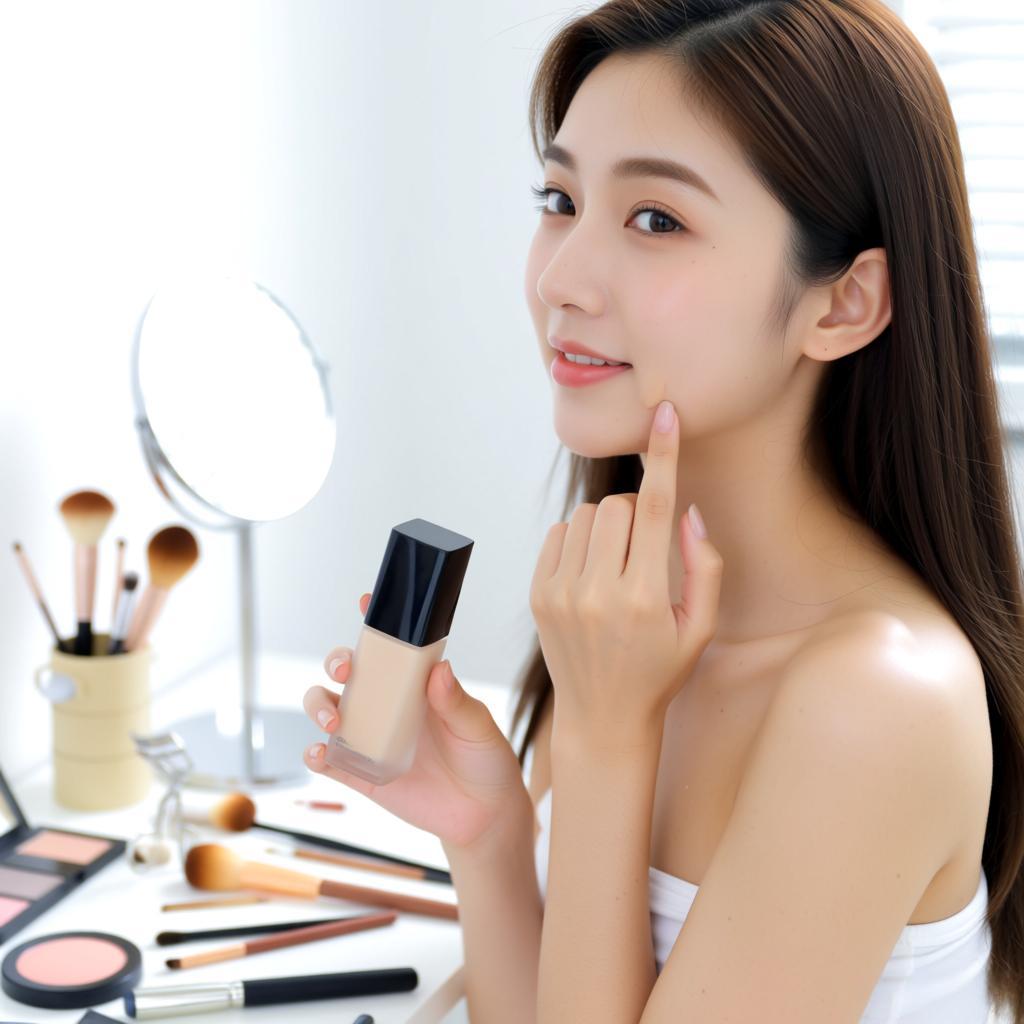
Learn some skin knowledge to make yourself professional!
I. Basic Concepts of Skin
- The skin is the largest organ of the human body. Its area is quite large, spreading out to 1.5-2 square meters. When we talk about organs, we think of the stomach, liver, and spleen. In fact, the skin is just like the stomach—we eat three meals a day to meet the digestive needs of the stomach, and as the largest organ, the skin also consumes energy through metabolism. Therefore, it needs nutrition every morning and evening. If the skin is not maintained for a day or two, there will be no major problems, but if it is not maintained for a long time, it will definitely age faster than peers over time. Just like the stomach, skipping a meal or two won’t cause stomach problems, but ignoring diet for a long time will lead to stomach diseases.
- Composition of the skin: Water (70%), protein (25.5%), fat (4%), minerals (0.5%).
- pH value of healthy skin: 4.5-6.5, showing a weakly acidic state.
- Thickness of the skin: The average thickness is only 0.5mm-2mm (the thinnest parts are the eye area, lips, and chest).
II. Functions of the Skin
Prevent fluid loss, protect the body from external damage, regulate body temperature, and also have the functions of self-repair, respiration, and metabolism.
III. Structure of the Skin
- What are the three layers of the skin structure?Answer: Dermis, epidermis, and subcutaneous tissue.
- What are the five layers of the epidermis?Answer: Stratum corneum, stratum lucidum, stratum granulosum, stratum spinosum, and stratum basale.
- What is the function of the stratum corneum?Answer: The stratum corneum has a protective effect and a water-proofing effect. It consists of 6-10 layers of dead skin cells.
- What is the function of the stratum lucidum?Answer: The function of the stratum lucidum is to control skin moisture, preventing moisture loss and excessive entry.
- What is the function of the stratum granulosum?Answer: The function of the stratum granulosum is to prevent foreign bodies from invading and filter ultraviolet rays.
- What is the function of sebum?Answer: The function of the sebaceous glands is to secrete oil and moisturize the skin.
- What is the function of sweat glands?Answer: The function of sweat glands is to secrete sweat, regulate body temperature, and excrete waste.
(Skin structure diagram: Tactile corpuscle, hair shaft, stratum corneum, dermal papilla, pore, stratum lucidum, free nerve ending, stratum granulosum, epidermis, stratum spinosum, sebaceous gland, stratum basale, arrector pili muscle, sensory nerve, papillary layer, dermis, reticular layer, hair follicle, hair root, subcutaneous tissue, artery, sweat gland, vein, lamellar corpuscle, adipose tissue, hair plexus)
- Which part is directly related to skin aging? What is the important part directly related to skin aging? What fibers is it composed of?Answer: The dermis is directly related to skin aging, and the dermis is composed of collagen fibers and elastic fibers.
- What is the stratum basale? What cells does the stratum basale contain and what is its function?Answer: The stratum basale contains melanocytes, and the way melanin accumulates determines the color of our skin.
- Causes of aging problems: With age, the skin experiences a series of aging problems. What are the reasons for rough skin, dryness, dehydration, and the appearance of wrinkles?Answer: Roughness is caused by slowed skin metabolism and thickened accumulation of the stratum corneum. Dryness and dehydration are due to reduced skin moisture content and decreased moisture retention capacity. Wrinkles occur because the production rate of collagen fibers and elastic fibers slows down, forming gaps, coupled with skin dehydration.
- Factors affecting skin health: In addition to age, what other factors can affect skin health?Answer: Changes in human hormones, environmental pollution, ultraviolet radiation, eating habits, sleep time, and improper maintenance methods can all affect skin health.
- What are the basic types of skin?Answer: Dry, normal, oily, and combination.
- What are the 5 steps of skincare?Answer: Cleansing, adjusting skin texture, toning, balanced moisturizing, and protection.
- Which two fingers are the “beauty fingers”?Answer: Middle finger and ring finger.
- What is the gesture for skin care?Answer: We should use the finger pads to gently press from the inside out and bottom up, following the natural growth direction of dermal fibers.
- What is the function of a facial mask?Answer: The function of a facial mask is to condition the skin texture, gently remove dirt deep in the pores, eliminate dead cells, and facilitate the skin’s better absorption of nutrients in the mask.
- How to apply a facial mask? What gestures should be noted when applying a facial mask? Which areas should be avoided?Answer: We apply the mask to the face with upward and outward gestures, avoiding the eye area and lips.
- Why is toning necessary?Answer: The functions of toning are to further clean the skin, remove substances remaining in the pores, and balance the skin’s pH value.
- What is the function of balanced moisturizing?Answer: The function of balanced moisturizing is to adjust and soften the skin, help the skin achieve optimal water-oil balance, prevent the loss of elasticity and moisture in the skin’s protective layer, make the skin moist and smooth, and reduce the appearance of fine lines and wrinkles.
- What is the function of foundation?Answer: Foundation can protect the skin from direct contact with dust and pollution, cover small blemishes, and give the skin a smooth and even glow.
- What is the method of using foundation?Answer: Apply small dots of foundation all over the face, then gently pat it evenly with hands, paying attention to the transition at the hairline and the connection between the jaw and neck.
Classification of Various Skin Types and Key Care Points
I. Normal Skin
- Characteristics:Normal skin is the healthiest and most ideal skin type. It has moderate sebum secretion, small pores, and the skin is ruddy, delicate, and elastic. However, it is prone to changes due to age, climate, and health conditions.
- Key Care Points:Choose appropriate cleaning products, do a good job in sun protection, moisturizing, and nourishing. Regularly go to beauty salons for care to remove aging cuticles and maintain skin elasticity.
II. Dry Skin
- Characteristics:The skin is fair, with small pores, low sebum secretion, relatively dry skin, and prone to fine lines and age spots.
- Causes:Endocrine disorders, excessive secretion of female hormones, which stimulate the formation of melanin. In addition, excessive ultraviolet radiation, changes in living habits and diet can also damage the normal secretion of the sebum membrane.
- Key Care Points:① Accelerate cuticle exfoliation and promote skin metabolism.② Do sun protection to inhibit tyrosinase from synthesizing melanin.③ Reduce melanin.④ Moisturize and nourish.⑤ Regular maintenance in beauty salons.
Dark Spots
(1) Causes (20% external, 80% internal):
External factors:
- Using overly oily skincare products—this makes the skin prone to absorbing ultraviolet rays, leading to freckles and dark spots.
- Frequent exposure to the sun or artificial light—mercury lamps, fluorescent lamps, and color TVs indoors emit radiation that is harmful to the skin, just like the sun.
- Cosmetic factors—some cosmetics contain chemical pigments that are particularly sensitive to ultraviolet absorption.
Internal factors:
- During pregnancy—due to abnormal endocrine, increased secretion of follicular hormones in the body causes an increase in the reproduction of melanocytes.
- Excessive consumption of irritating foods—coffee, cola, strong tea, tobacco, and alcohol, which catalyze melanocytes to float on the skin surface.
- Nutritional deficiencies.
- Emotional factors—stress, anxiety, irritability, insomnia, and fatigue, which cause the accumulation of dark spots due to hormonal imbalances.
- Disorders of the uterus or ovaries, long-term use of intrauterine devices, and birth control pills.
- Congenital genetic constitution—freckles begin to appear at the age of 5 or 6 and become more obvious during adolescence.
(2) Prevention and Treatment:
- Avoid prolonged exposure to ultraviolet rays.
- Use skincare products containing SPF ingredients after washing the face.
- Avoid eating irritating foods.
- Pay attention to nutrient intake and consume more vitamins C and E.
- Control emotions and avoid staying up late.
(3) Types:
- Sunspots—when the skin is exposed to sunlight, melanin will float on the epidermis to resist the strong damage of ultraviolet rays and protect internal tissues. Afterwards, these pigments will slowly reduce and disappear. However, if exposed excessively, the melanin tissue will be damaged and cannot be reduced, remaining in the upper part of the epidermis, forming sunspots.Care advice—masks can promote blood circulation, and vitamin C has a reducing effect.
- Freckles—mostly hereditary, but can also be caused by acquired acne scars or excessive sun exposure.Care advice—general freckles cannot be completely cured, but proper skincare can lighten their color.
- Liver spots—also known as chloasma, mostly common in middle-aged women, especially after menopause, on the cheeks, forehead, eye area, sides of the nose, and around the chin. Abnormal endocrine, disorders of liver, ovary, uterus, and adrenal cortex function, easy fatigue, and weak constitution are prone to liver spots.Care advice—can take vitamins C, E, and high-quality protein.
- Pregnancy spots—caused by pregnancy. In addition, uterine liver spots are caused by taking birth control pills or using intrauterine devices.Care advice—long-term massage, maintenance, facial masks, and taking vitamins C and E to lighten them.
- Melanoderma—caused by long-term use of inferior skincare products and cosmetics containing mercury and lead. Recently, many illegal manufacturers have added mercury toxins to cosmetics and skincare products for profit, claiming to treat dark spots, acne, pimples, and whiten the skin. Although mercury can sterilize and whiten, it is only temporary. It will damage skin red blood cells and cause melanoderma. More seriously, mercury creams can enter the body through the skin and damage liver and kidney functions. In addition to the above reasons, sometimes melanoderma can also be caused by partial eclipse, excessive fatigue, and lack of vitamins A, C, D, and E.Care advice—avoid heavy makeup, carefully choose skincare products and cosmetics, do not have a partial eclipse, and consume more vitamin C. People with melanoderma need 1000 milligrams per day.
- Age spots—floating on the epidermis, caused by long-term lack of maintenance, skin aging, or damaged ovarian function.Care advice—keep pores unobstructed, maintain good metabolism and blood circulation, and adhere to long-term maintenance.
III. Oily Skin
- Characteristics:Oily skin has a darker complexion, large pores, excessive sebum secretion, and the skin is oily and shiny. It is not prone to wrinkles and is not sensitive to external stimuli, but it is prone to acne and pimples.
- Causes:Due to endocrine disorders, the proportion of male hormones is relatively high, resulting in active sebaceous gland activity, excessive oil secretion, blocking pores to form acne. If not cleaned properly, it will be infected with bacteria, damaging the dermis and leading to inflammation and swelling, forming acne.
- Care Methods:① Accelerate cuticle exfoliation and promote skin metabolism.② Inhibit oil secretion and shrink pores.③ Reduce inflammation, sterilize, soothe, and keep the skin clean.④ Do sun protection and moisturizing.⑤ Regular maintenance in beauty salons.
IV. Combination Skin
- Characteristics:Combination skin has the characteristics of both oily skin and dry skin. It is characterized by excessive sebum secretion and thick stratum corneum in the T-zone of the face (forehead, nose, perioral area, jaw), which is prone to acne and pimples. The cheeks have less oil and delicate skin texture but are prone to dryness. It is mostly common between the ages of 25 and 35.
- Key Care Points:① Accelerate cuticle exfoliation and promote skin metabolism.② Do sun protection to avoid excessive ultraviolet radiation.③ Inhibit oil secretion, reduce inflammation, reduce swelling, and soothe the T-zone; focus on moisturizing and nourishing the cheeks.④ Regular maintenance in beauty salons.
V. Sensitive Skin
- Characteristics:The skin is thin, and the sebum membrane is damaged due to internal and external factors, so the skin’s resistance is poor, and it is sensitive to external stimuli. Local areas are prone to redness, swelling, itching, and other sensitive phenomena.
- Causes:① Hereditary allergic constitution.② External use of certain drugs or inferior cosmetics.③ Excessive exfoliation such as skin peeling, resulting in decreased skin resistance.④ Allergies caused by other allergens (pollen, paint, fish, shrimp, etc.).
- Care Methods:① Stay away from allergens.② Repair the damaged sebum membrane, strengthen the capillary wall, re-establish the skin’s defense system, and reduce sensitive phenomena.③ Minimize stimulation, do not use hot sprays for a long time, that is, avoid overly cold or hot care.④ Do not use rough scrubs to avoid worsening sensitivity. Massage gently without exerting force.⑤ Choose anti-sensitive series skincare products to improve sensitivity.⑥ Eat less irritating foods and more foods rich in vitamin E and vitamin C to maintain the normal function of the blood vessel wall.⑦ Regular maintenance in beauty salons.
VI. Aging Skin
- Characteristics:Insufficient secretion of oil and moisture, slow cuticle metabolism, decreased function of skin tissues, weakened elasticity, dullness, loose and sagging skin, and increased wrinkles and age spots.
- Causes:① Increase in age.② Insufficient nutrition for the skin.③ Sun exposure.④ Long-term lack of sleep, stimulation of tobacco and alcohol, improper use of cosmetics, etc., can all lead to skin aging.
- Key Care Points:① Do sun protection to isolate the direct damage of ultraviolet rays to the skin.② Provide the necessary nutrients for the skin.③ Antioxidize.④ Maintain a cheerful mood, adequate sleep, avoid tobacco and alcohol, and have a reasonable diet structure.
VII. Chest Skin
- Characteristics:The chest skin is one of the most delicate and thinnest parts of the body (only about 0.5mm thick). It has abundant subcutaneous adipose tissue but few collagen fibers and elastic fibers, resulting in weak support. Therefore, the chest skin is prone to sagging, drooping, dry lines, and even age spots due to gravity, aging, weight fluctuations, breastfeeding, or bad living habits.
- Causes:With age, the loss of collagen and elastic fibers leads to decreased support;Long-term ultraviolet radiation can damage the chest skin structure and accelerate aging;Endocrine changes (such as pregnancy, lactation, menopause) affect skin elasticity and pigment distribution;Not wearing suitable underwear or long-term neglect of chest care leads to poor blood circulation and skin stretching;Neglect of sun protection and moisturizing makes the chest skin dry, rough, and dull.
- Key Care Points:① Gentle cleansing: Avoid using bath products with strong alkalinity, and choose weakly acidic cleansing products with a pH value close to that of the skin;② Strengthen moisturizing and nourishing: Use moisturizing lotion or essence specially designed for the chest every day to supplement moisture and nutrients and improve skin elasticity;③ Sun protection is indispensable: When the chest is exposed to the sun, be sure to apply sunscreen with SPF30 or above to prevent photoaging and pigmentation;④ Massage to promote circulation: Gently massage in a circular motion with finger pads from the outside in and bottom up. It can be used with firming products (such as “Breast Key” produced by Guangzhou Huaxia) to help lift the contour, improve sagging, and prevent breast diseases.⑤ Wear suitable underwear: Choose underwear with good support and breathable material to avoid long-term compression or friction;⑥ Healthy lifestyle: Maintain a balanced diet (consume more foods rich in vitamins C, E, and high-quality protein), adequate sleep, and moderate exercise to help maintain the healthy state of the chest skin.
