

How can ordinary people combat aging at a low cost without undergoing cosmetic procedures ?
When it comes to anti-aging, many people immediately think of expensive cosmetic procedures and skincare sets costing thousands of dollars. However, for ordinary people, truly effective and sustainable anti-aging is never about instantaneous transformations through surgery or injections, but rather about low-cost or even zero-cost daily habits. The essence of aging is a process of declining cell repair capabilities and increased oxidative stress, and our daily choices—such as diet, sleep, and exercise—are key to regulating this process. Today, I’ll share a non-invasive, low-cost anti-aging plan that ordinary people can easily adhere to, and long-term adherence will yield noticeable changes.
I. Dietary Anti-Aging: Eat Right Without Starving, Low Cost and Quick Results
The core of anti-aging is “nourishing the body from within,” and diet is the foundation for nourishing the body. There’s no need to pursue expensive ingredients; eating the right meals every day is the most cost-effective way to fight aging.
First, adhere to the “80% full” principle. Research in *Nature Aging* confirms that reducing calorie intake by 25% (i.e., reaching 70-80% fullness) can slow the aging process in healthy adults by 2-3% and reduce the risk of death by 10-15%. In this state, the stomach feels full but not bloated, and one feels relaxed and refreshed after putting down chopsticks. This reduces the burden on the digestive system and activates the body’s repair mechanisms. Second, eat a “variety” diet. Research in *Frontiers in Medicine* found a significant negative correlation between dietary diversity and the rate of aging. A daily diet primarily consisting of grains, with plenty of vegetables, fruits, dairy products, and legumes, moderate amounts of fish, poultry, eggs, and lean meat, while reducing the intake of oil, salt, and sugar, will ensure a comprehensive nutritional intake.
It’s also important to supplement with three types of anti-aging nutrients: high-quality protein (eggs, fish, shrimp, tofu, etc.) is key to repairing skin and maintaining muscle mass; sufficient muscle mass makes one less prone to sagging. Antioxidant foods (blueberries, spinach, tomatoes, nuts) can eliminate free radicals, delaying dull skin and wrinkle formation. Collagen and Vitamin C (white fungus, pig’s trotters paired with oranges and green peppers) can promote collagen synthesis, making skin firmer. In addition, drinking enough water daily is crucial. Research published in *The Lancet* shows that adequate water intake can lower serum sodium levels, slowing down the aging process. It’s recommended to drink 35ml of water per day, for example, a 50kg person should drink 1750ml daily. Adding a slice of lemon or chrysanthemum can enhance the taste and promote metabolism.
II. Anti-aging through lifestyle: Sleep is more effective than applying expensive face masks.
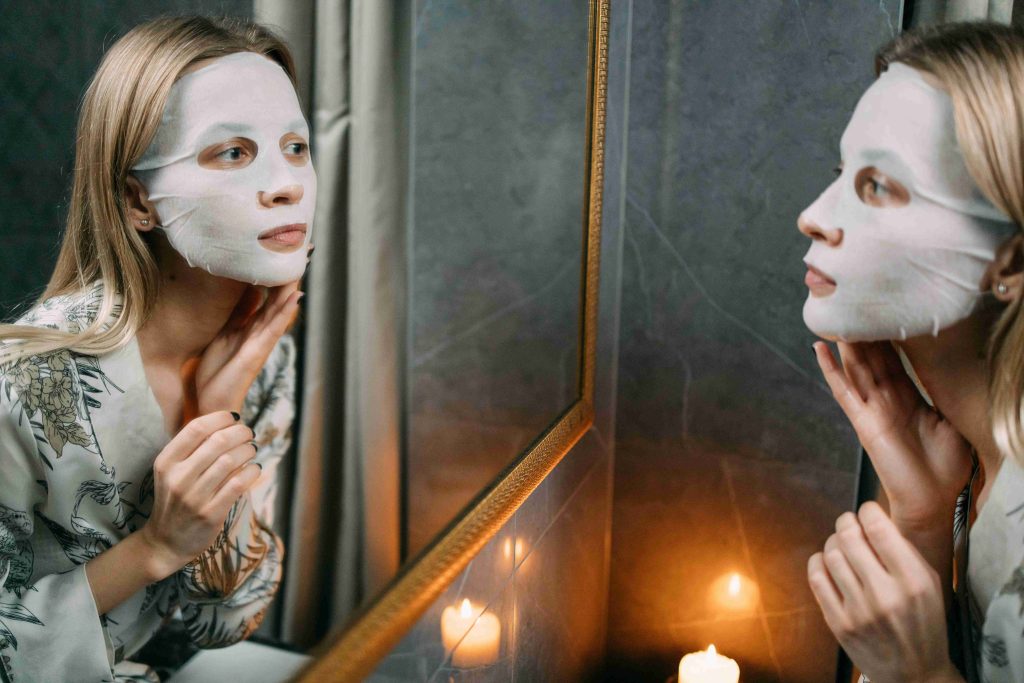
Staying up late is an “accelerator” of aging, while good sleep is a free “repair agent.” High-quality sleep can enable the body to activate “repair mode,” secreting growth hormone to help cells repair and regenerate, which is more effective than any skin care product.
The optimal sleep schedule is to fall asleep before 11 PM and ensure 7-8 hours of sleep. The period from 11 PM to 3 AM is crucial for liver detoxification and skin repair. Falling asleep during this time precisely matches the peak secretion of melatonin, allowing the skin and body to fully repair themselves. If it’s difficult to fall asleep before 11 PM immediately, start by going to bed 15-30 minutes earlier than usual and gradually adjust.
In addition, afternoon naps are a cost-effective way to combat aging. Research in *Sleep Health* found that people who nap regularly have larger brains, equivalent to being 2.6 to 6.5 years younger, and have a lower risk of dementia. However, naps should be limited to 20-30 minutes; naps exceeding one hour can disrupt nighttime sleep, making the benefits counterproductive. It’s advisable to stay away from your phone for an hour before bed, as blue light inhibits melatonin secretion. Even with sufficient sleep, you won’t achieve deep repair effects; a 10-minute foot bath is a better alternative to aid sleep.
III. Anti-aging through exercise: No gym membership needed, just regular daily movement is effective.
Prolonged sitting accelerates aging, while appropriate exercise promotes blood circulation, giving skin a rosy and radiant glow, and also helps maintain muscle mass, preventing a sluggish physique and premature aging. For the average person, expensive gym memberships aren’t necessary; simply using spare moments throughout the day is sufficient.
Moderate-intensity exercise is the best choice. Research from Sun Yat-sen University shows that regular moderate-intensity exercise such as brisk walking, cycling, climbing stairs, and dancing can slow down aging and extend lifespan. Judging the intensity is simple: you should be slightly out of breath while exercising, able to speak normally but not sing; this is the appropriate intensity. It is recommended to exercise 3-4 times a week for 30 minutes each time. A half-hour brisk walk on your way home from get off work or some square dancing on weekends can all achieve the desired effect.
Strength training is also essential; muscles are the foundation of youth. Research in *Biology* confirms that 90 minutes of strength training per week can slow down biological aging by 3.9 years. Ordinary people can start with bodyweight exercises such as squats, planks, and push-ups. Inexpensive equipment like resistance bands and small dumbbells can also be used for assistance. Just 15 minutes a day can activate muscles and improve posture. Additionally, standing against a wall for 10 minutes daily is a good method. It can correct poor posture such as forward head posture and hunchback, improving overall appearance. It burns calories in just one minute—simple and effective.
IV. External Protection Against Aging: Simplified and Avoiding Over-the-Top Products, Sunscreen is the Core.
Not getting facials doesn’t mean you shouldn’t take care of your skin. It means simplifying your skincare routine and spending your money wisely. The core is “sunscreen + moisturizing.” You don’t need to go for big brands; affordable products are enough.
Sun protection is the top priority in anti-aging, as 90% of aging is caused by ultraviolet rays, which can lead to rough skin, sagging, age spots, and deeper wrinkles. For daily sun protection, prioritize “physical sun protection” such as parasols, sun-protective clothing, and sunglasses, which can be purchased once and reused repeatedly, making them extremely cost-effective. When using sunscreen, SPF30+ and PA+++ are sufficient for daily use, and should be reapplied every 2 hours when outdoors. For the beach or in environments with intense sunlight, SPF50+ is recommended.
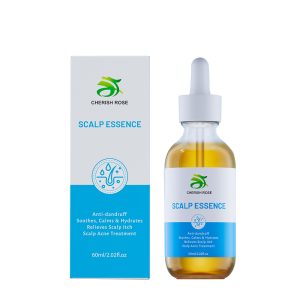
Moisturizing is fundamental; well-hydrated skin is less prone to fine lines, resulting in an immediate youthful appearance. For dry skin, consider the Pechoin Skin Revitalizing Anti-Wrinkle Essence paired with the CeraVe Repairing Moisturizing Cream. The former contains plant-based retinol and peptides to gently promote collagen, while the latter repairs the skin barrier with triple ceramides. Oily skin types can opt for the Curel Intensive Moisturizing Cream, which has a refreshing texture and enhances moisturizing function. For those over 30 looking to advance their anti-aging efforts, consider adding an affordable retinol product, such as the Neutrogena Retinol Anti-Wrinkle Repairing Night Cream. Its slow-release formula is gentle and non-irritating; consistent use after building tolerance can improve skin texture. Additionally, cleansing should be gentle; avoid over-exfoliation to prevent damaging the skin barrier and accelerating aging.
V. Mental Anti-Aging: Reduce Internal Conflict and Keep Your Soul Young
Many people overlook the impact of mindset on aging; in fact, negative emotions are the real “aging accelerator.” A study published in *Nature Aging* found that long-term social stress leads to the accumulation of senescent cells in the brain, inducing DNA damage, and noticeable aging markers appear after four weeks. A study published in *Cell Metabolism* also confirmed that under long-term stress, a person’s biological age can be three years older than their actual age.
There are many low-cost ways to adjust your mindset. Spending 10 minutes each day clearing your mind and not thinking about anything, or using the “4-7-8 breathing method” (inhale for 4 seconds, hold your breath for 7 seconds, exhale for 8 seconds) to calm anxiety, can help you free your mind. Do more things you enjoy, such as gardening, reading, or chatting with friends. Cultivating a small hobby can keep your mind relaxed, your eyes bright, and give you a youthful glow. Also, don’t let age hold you back. Be a little “childish” sometimes; eat what you want to eat occasionally, and try what you want to do. A youthful mindset naturally leads to a younger appearance.
Summary: The easiest-to-stick-to “low-cost anti-aging formula”
Anti-aging doesn’t have to be complicated. Incorporating these low-cost, everyday habits will lead to noticeable changes: daily sun protection, going to bed before 11 PM, eating enough high-quality protein, drinking enough water, exercising 3-4 times a week (including strength training), and minimizing internal stress by taking 10 minutes to relax each day. It doesn’t require a huge expense or deliberate effort; making these habits a part of your lifestyle will gradually create a gap between you and your peers, maintaining a youthful appearance from the inside out. Anti-aging is a long-term battle; taking it slow is more important than rushing.
